The Ultimate Guide to Choosing the Best Shoes for Every Occasion: A Comprehensive Handbook
Finding the perfect pair of shoes is more than just a matter of aesthetics; it is an investment in your comfort, posture, and overall health. With the footwear industry constantly evolving, navigating the sea of options—from high-performance athletic trainers to sophisticated formal loafers—can be overwhelming. Whether you are an athlete, a busy professional, or a fashion enthusiast, selecting the right footwear requires understanding your specific needs, foot type, and the environment in which you will be walking.
In this guide, we will break down the essential categories of footwear, offer expert tips on how to identify quality, and provide a roadmap to help you find the best shoes for your lifestyle.
Understanding Your Foot Anatomy: The Foundation of Comfort
Before diving into styles and trends, you must understand your feet. The "best" shoe is subjective because it depends entirely on your foot shape and biomechanics. Buying shoes without considering your arch type often leads to discomfort, blisters, or long-term joint pain.
Identifying Your Arch Type
- Low Arches (Flat Feet): People with flat feet tend to overpronate (the foot rolls inward). You need shoes with strong arch support and motion control features.
- Neutral Arches: You have a standard arch that provides natural shock absorption. Most standard shoes will work, but look for balanced cushioning.
- High Arches: High arches often lead to underpronation (supination). You require shoes with extra cushioning to compensate for the lack of natural shock absorption.
Top Categories: How to Select the Best Shoes by Function
Not all shoes are created equal. Using a shoe for a purpose it wasn't designed for is the fastest way to wear out your footwear and cause foot fatigue. Here is a breakdown of the best shoe types based on activity.
1. Athletic and Performance Footwear
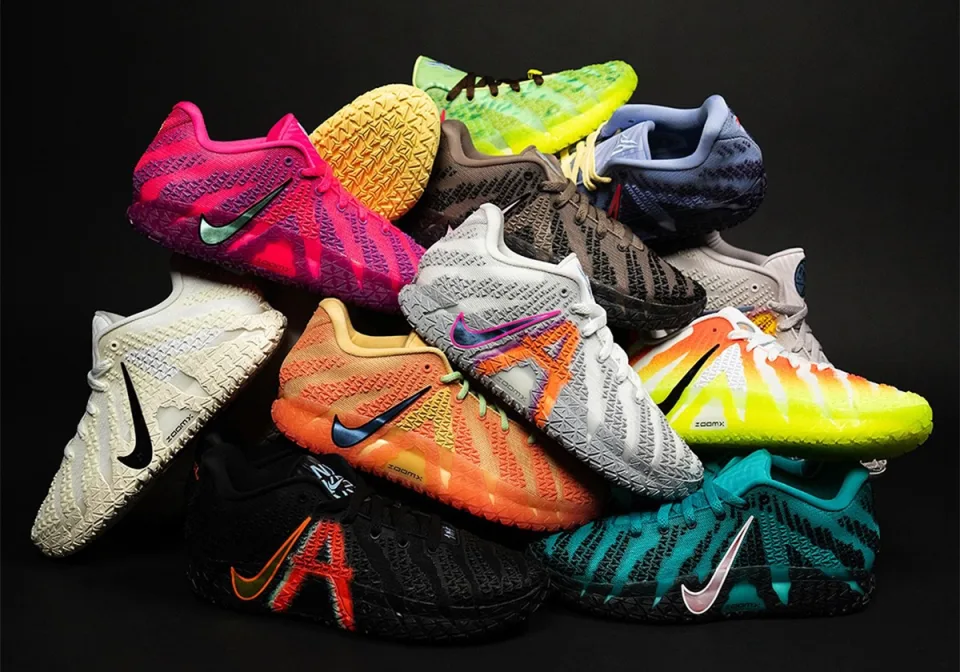
If you are an active individual, your footwear should be categorized by the intensity and surface of your movement. Running shoes, for example, are designed for forward motion and heel-to-toe transitions, whereas cross-trainers offer lateral stability for gym workouts.
2. Professional and Formal Footwear
In a professional setting, the best shoes are those that balance elegance with durability. Look for high-quality leather or synthetic alternatives that offer breathable linings. Comfort features like memory foam insoles have become a staple in modern dress shoes, allowing for all-day wear without the traditional stiffness.
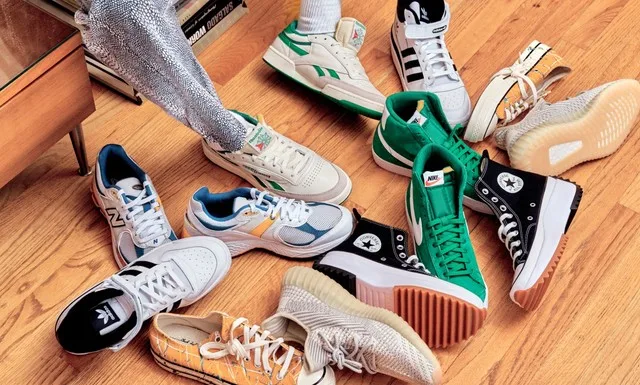
3. Casual and Lifestyle Footwear
Casual shoes are about versatility. The best lifestyle sneakers are those that can transition from a coffee meeting to a weekend walk. Focus on lightweight materials and neutral color palettes that maximize your wardrobe's potential.
Comparison Table: Choosing the Right Material
The material of your shoe dictates its lifespan, breathability, and maintenance requirements. Use this table to decide which material best suits your needs.
| Material | Best For | Pros | Cons |
|---|---|---|---|
| Full-Grain Leather | Formal/Professional | Durable, develops patina, breathable | Expensive, requires maintenance |
| Mesh/Synthetic | Running/Athletic | Lightweight, highly breathable | Less durable, harder to clean |
| Suede | Casual/Semi-Formal | Soft, stylish aesthetic | Easily stained, sensitive to water |
| Canvas | Everyday Casual | Affordable, machine washable | Minimal arch support |
Key Features to Look for When Shopping
When you are in the market for new footwear, don't just look at the price tag or the design. Inspect the shoe for these critical markers of quality:
- Torsional Stability: Try to twist the shoe. A good shoe should have some resistance. If it twists like a towel, it lacks the necessary support for daily activity.
- Removable Insoles: Shoes with removable insoles are superior because they allow you to insert custom orthotics if you ever need extra support.
- Toe Box Room: Ensure there is enough room to wiggle your toes. A cramped toe box is the leading cause of bunions and ingrown toenails.
- Outsole Grip: Check the tread pattern. Whether it’s rubber for gym floors or lugged soles for hiking, the grip should match the terrain you frequent.
Current Trends in Footwear: Function Meets Fashion
The footwear industry is currently witnessing a "comfort-first" revolution. Even high-fashion runways are embracing ergonomic designs. Here are the trends defining the current landscape:
The Rise of Sustainable Footwear
Eco-conscious consumers are pushing brands to use recycled plastics, organic cotton, and bio-based foams. The best shoes today are not only comfortable but also have a smaller carbon footprint. Look for certifications like B-Corp or recycled content labels.
Chunky Soles and Retro Aesthetics
The "dad shoe" trend has evolved into a permanent fixture. These shoes provide excellent shock absorption due to their thick, cushioned midsoles. They are arguably the best shoes for people who spend long hours standing on hard surfaces.
How to Properly Fit Your Shoes
Many people wear the wrong shoe size their entire lives. Here are three expert tips to ensure the perfect fit:
- Shop in the Afternoon: Your feet naturally swell throughout the day. If you shop in the morning, the shoes might feel tight by the evening.
- Wear Your Usual Socks: If you are buying running shoes, wear the specific athletic socks you plan to use. This significantly changes the fit.
- The Thumb Rule: There should be approximately a thumb’s width of space between your longest toe and the end of the shoe.
Maintaining Your Investment: Care Tips for Longevity
The best shoes are the ones that last. Proper maintenance can double the lifespan of your footwear.
Rotation is Key
Never wear the same pair of shoes two days in a row. Shoes need at least 24 hours to dry out from the moisture generated by your feet. Rotating between two or three pairs prevents the inner lining from breaking down prematurely and stops odor-causing bacteria from thriving.
Cleaning and Storage
Always use a shoe tree for leather footwear to maintain their shape. For athletic shoes, avoid putting them in the washing machine, as the high heat and agitation can degrade the glues holding the shoe together. Instead, use a soft brush and mild soap to spot-clean the exterior.
Conclusion: Finding Your Perfect Pair
Choosing the best shoes is a balance between science and personal preference. By prioritizing your foot health, understanding the materials that suit your lifestyle, and following proper maintenance routines, you ensure that every step you take is supported and comfortable. Remember that while trends come and go, a high-quality, well-fitted shoe is a timeless investment that your feet will thank you for years down the road. Take the time to measure your feet, identify your needs, and don't settle for anything less than perfect comfort.