The Ultimate Guide to Choosing the Perfect Accessories: Elevating Your Personal Style
Accessories are the silent language of style. They are the punctuation marks of an outfit, the subtle details that transform a mundane ensemble into a statement of personality, confidence, and taste. Whether you are a minimalist who prefers clean lines or a maximalist who loves bold textures, understanding how to select and integrate accessories is the key to mastering your personal aesthetic.
In this comprehensive guide, we will explore the world of accessories, helping you navigate the vast array of choices to build a versatile, timeless, and functional collection that complements your lifestyle.
Understanding the Role of Accessories in Your Wardrobe
Before diving into specific product categories, it is essential to understand why accessories matter. Accessories serve two primary purposes: functional utility and aesthetic enhancement. A high-quality watch tells time, but it also signals professionalism. A leather belt keeps your trousers in place while defining your silhouette. When you invest in the right pieces, you aren't just buying "extras"—you are curating a toolkit for self-expression.
The Psychology of Styling
Psychologically, accessories act as a focal point. They draw the eye, balance proportions, and can even change the perceived formality of an outfit. For instance, swapping sneakers for loafers and adding a structured leather bag can instantly elevate a casual outfit to business-casual status. The goal is to choose items that feel like an extension of your personality rather than an afterthought.
Categorizing Your Accessory Collection
To build a balanced collection, it is helpful to categorize accessories by their function and placement. This prevents over-buying in one area while neglecting another.
| Category | Examples | Primary Function |
|---|---|---|
| Personal Adornment | Jewelry, watches, cufflinks | Aesthetic & Status |
| Functional Wearables | Belts, scarves, gloves, hats | Utility & Comfort |
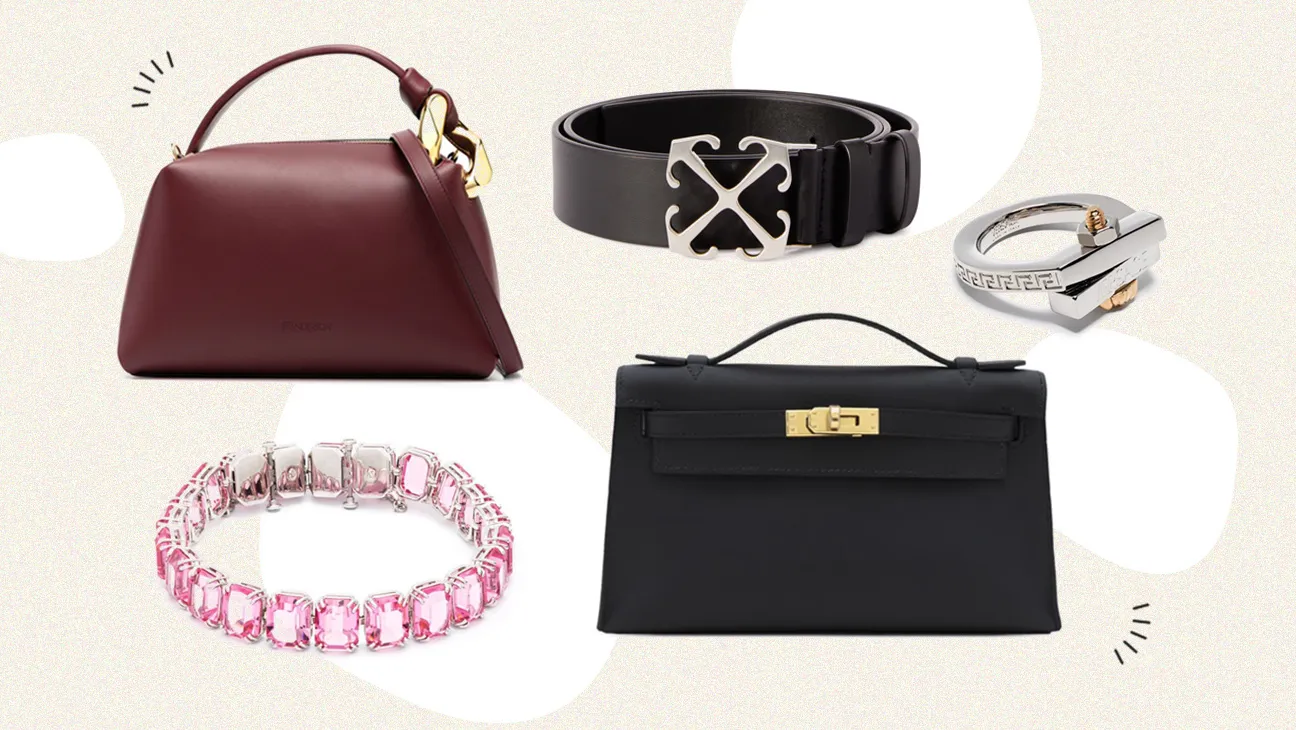
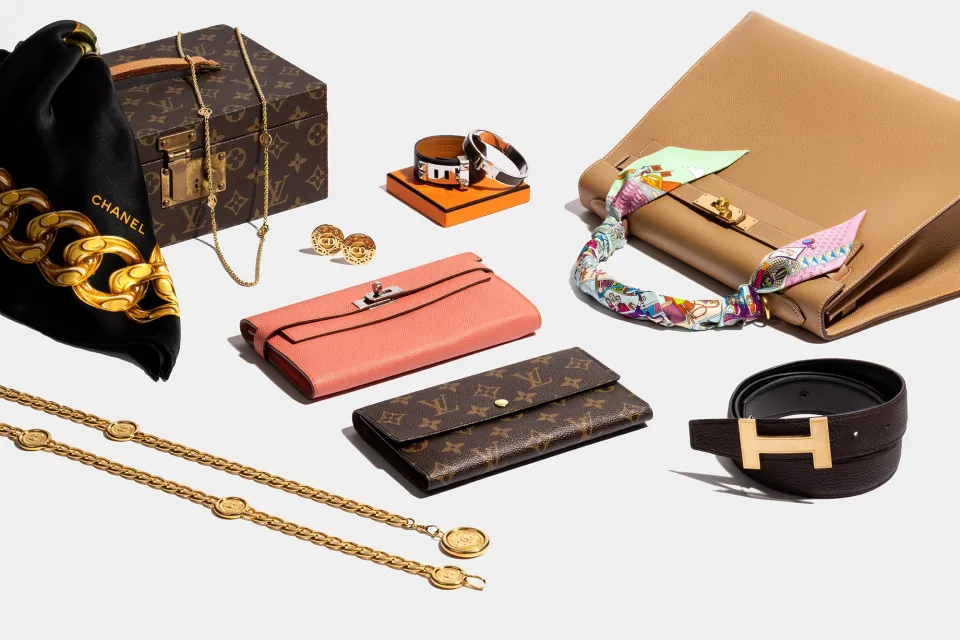
| Carry-alls | Handbags, briefcases, wallets | Utility & Organization |
| Eyewear | Sunglasses, prescription frames | Protection & Visual Framing |
Key Considerations When Buying Accessories
Purchasing accessories can be overwhelming due to the sheer volume of options available. To make smarter choices, follow these fundamental principles.
1. Quality Over Quantity
Accessories are often subjected to daily wear and tear. A cheap belt will crack, and low-quality jewelry will tarnish. When shopping, prioritize materials like full-grain leather, solid metals (sterling silver, gold, stainless steel), and natural fibers like wool or silk. These materials age gracefully and provide better value over time.
2. Versatility and Color Palette
If you are building a foundational collection, focus on neutral tones. Black, brown, tan, navy, and metallic tones (gold/silver) are the building blocks of a versatile wardrobe. Once you have your staples, you can introduce statement pieces in vibrant colors or unique textures to add character.
3. Proportionality and Scale
The size of your accessories should be in proportion to your body type and the scale of your clothing. If you have a smaller frame, oversized bags or massive statement necklaces may overwhelm your silhouette. Conversely, if you are taller or have a larger build, tiny accessories might get lost. Always consider how the item sits on your body.
Deep Dive: Selecting Essential Accessory Categories
Jewelry and Watches: The Timeless Staples
Jewelry is the most personal category of accessories. When choosing pieces, consider your skin tone. Cool undertones often pair well with silver, white gold, and platinum, while warm undertones shine with yellow gold and brass. For watches, consider the movement (quartz vs. automatic) and the strap material. A metal bracelet is generally more formal, while leather straps offer a classic, softer look.
Bags and Leather Goods
Your bag is arguably the most functional accessory you own. When selecting a bag, think about your daily requirements. Do you carry a laptop? Do you need hands-free convenience? For professional settings, look for structured designs with clean hardware. For weekends, prioritize lightweight materials and intuitive organization.
Scarves, Hats, and Cold-Weather Gear
These accessories are the perfect blend of fashion and function. When choosing a scarf, look for fabric composition. Cashmere and merino wool provide superior warmth without the bulk. When buying hats, consider your face shape—structured fedoras or wide-brimmed hats can balance rounder faces, while beanies are universally flattering for casual settings.
Trending vs. Timeless: How to Balance Your Collection
A common mistake in accessory shopping is chasing fleeting trends. While it is fun to experiment with "it-items," your budget should prioritize timeless designs.
- The 80/20 Rule: Spend 80% of your accessory budget on timeless, high-quality staples (a classic watch, a high-quality leather wallet, minimalist jewelry). Spend the remaining 20% on trend-driven items that allow you to express the current fashion climate without breaking the bank.
- Identifying Trends: Trends in accessories usually manifest in shape, hardware color, or material finishes. If you see a trend you love, look for an entry-level version to see if it fits your lifestyle before investing in a high-end version.
Maintenance and Care: Protecting Your Investment
Buying the right accessory is only half the battle; maintaining them ensures they last for years. Here are some essential care tips:
Leather Care
Leather is skin and needs to be moisturized. Use a high-quality leather conditioner every few months to prevent cracking. Store leather bags stuffed with paper to maintain their shape, and keep them away from direct heat sources.
Metal and Jewelry Care
Remove jewelry before swimming or exercising to prevent damage from chemicals and sweat. Store pieces in individual pouches to prevent scratching. For silver, a simple polishing cloth can remove oxidation and restore shine.
Fabric Storage
For scarves and hats, ensure they are clean before storing them for the season. Use cedar blocks or lavender sachets to protect natural fibers from moths and insects.
How to Shop for Accessories Online
Shopping online for accessories can be tricky because you cannot touch the materials or try the item on. To minimize returns, follow these steps:
- Check Dimensions: Never rely on photos alone. Use a tape measure to visualize the size of a bag or the length of a necklace against your own body.
- Read Material Specifications: Look for specific terms like "full-grain leather" instead of "genuine leather," or "sterling silver" instead of "silver-plated."
- Read Reviews for Real-Life Context: Look for user-uploaded photos in reviews. These often provide a more accurate representation of color and texture than professional studio shots.
Conclusion: Crafting Your Signature Style
Accessories are the ultimate tools for refining your personal brand. By focusing on quality, understanding the balance between trends and timelessness, and caring for your items properly, you can create a collection that makes getting dressed an effortless experience. Remember, the best accessory is the one that makes you feel confident. Don't be afraid to experiment, refine your taste, and let your accessories tell your unique story to the world.
Whether you are starting with a simple watch or building an extensive collection of scarves and bags, keep this guide as your reference. With the right approach, your accessories will not only complete your outfits—they will define your style legacy.