The Ultimate Guide to Choosing the Perfect Accessories: Elevating Your Personal Style
Accessories are the unsung heroes of the fashion world. They possess the unique ability to transform a simple, mundane outfit into a sophisticated, head-turning ensemble. Whether you are aiming for a minimalist aesthetic or a bold, eclectic look, the right accessories serve as the final punctuation mark to your personal style statement. However, with an overwhelming variety of options available, knowing how to select, coordinate, and invest in accessories can be daunting.
This comprehensive guide explores the art of selecting accessories, understanding current trends, and building a versatile collection that stands the test of time.
Understanding the Role of Accessories in Your Wardrobe
Accessories are not merely add-ons; they are essential components of visual storytelling. They communicate your personality, your attention to detail, and your understanding of balance. When chosen correctly, accessories can:
- Define a Silhouette: A well-placed belt or a structured bag can alter the proportions of your outfit.
- Introduce Texture and Color: If your clothing palette is neutral, accessories provide the perfect canvas to experiment with vibrant hues and tactile materials like leather, silk, or metallic finishes.
- Increase Versatility: A single "capsule" wardrobe can be adapted for ten different occasions simply by swapping out your shoes, jewelry, and headwear.
Essential Categories: What Every Collection Needs
To build a functional accessory wardrobe, it is best to categorize your items. Think of these as the "pillars" of your collection. Below is a breakdown of the primary accessory categories you should focus on.
| Category | Key Function | Style Tip |
|---|---|---|
| Jewelry | Adds elegance and focal points | Mix metals cautiously or stick to one tone for a cohesive look. |
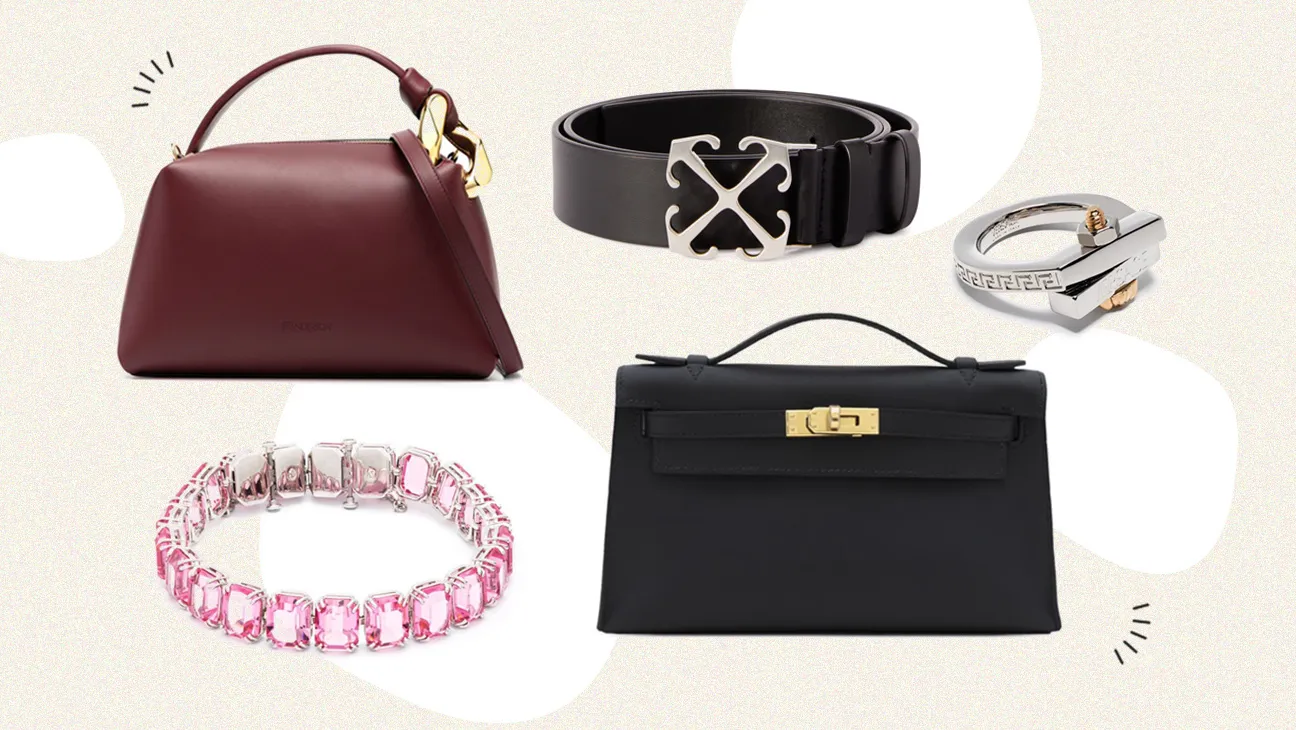
| Bags | Practicality meets aesthetic | Invest in a neutral structured bag for daily use and a statement clutch for evenings. |
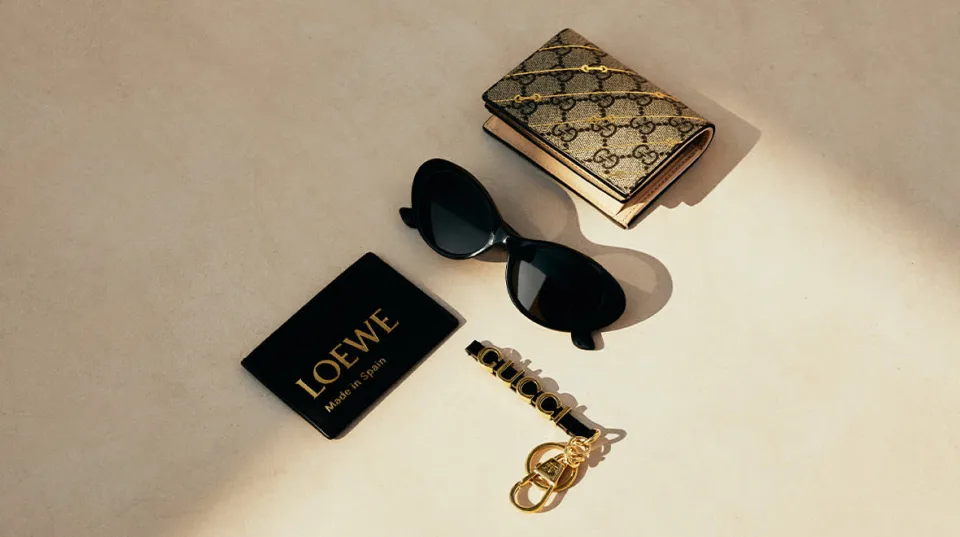
| Eyewear | Frames the face and provides utility | Choose shapes that contrast with your face structure (e.g., angular frames for round faces). |
| Scarves & Wraps | Adds layers and seasonal comfort | Use silk for spring/summer and cashmere or wool for colder months. |
| Belts | Defines the waist and adds structure | A thin belt for dresses, a wider leather belt for denim. |
How to Choose Accessories Based on Your Personal Style
Selecting accessories should be a reflection of your lifestyle and comfort. If you are constantly on the go, heavy, cumbersome jewelry will likely remain in your drawer. If you work in a corporate environment, subtle, high-quality pieces are generally more appropriate.
1. The Minimalist Approach
Minimalism is defined by the "less is more" philosophy. Focus on quality over quantity. Opt for pieces that are timeless—think delicate gold chains, classic leather watches, and structured handbags in neutral tones like black, tan, or navy. These items should be versatile enough to transition from a morning meeting to a dinner date.
2. The Statement-Maker Approach
If you prefer to stand out, your accessories should be the centerpiece of your outfit. Look for bold colors, architectural shapes, and unique textures. Oversized earrings, chunky layered necklaces, or handbags with hardware detailing can turn a plain white shirt and jeans into a high-fashion look. The key here is balance; if your accessories are loud, keep your clothing relatively simple.
Buying Guide: Quality Indicators to Look For
Investing in accessories can be expensive, so it is vital to know what you are paying for. Here is how to evaluate quality across different accessory types:
Jewelry
When buying jewelry, check for hallmarks. Sterling silver should be marked "925." For gold, look for karats (14k, 18k). If you are opting for costume jewelry, ensure the clasps are secure and the plating is even. Avoid pieces that show signs of glue residue or loose stones.
Leather Goods
Genuine leather should have a distinct smell and a natural grain. Run your finger along the edges; they should be finished cleanly, not fraying. High-quality bags will feature sturdy stitching and hardware (zippers and buckles) that feels substantial and moves smoothly.
Textiles (Scarves and Hats)
Check the composition tag. Natural fibers like wool, silk, cashmere, and cotton generally offer better breathability and longevity than synthetic blends. Ensure the weave is tight and consistent, as loose threads are often a sign of poor manufacturing.
Seasonal Trends vs. Timeless Classics
The accessory market is heavily influenced by seasonal trends. While it is fun to incorporate trendy items, it is important to distinguish between "fads" and "investments."
When to Follow Trends
Trends are great for inexpensive items like hair accessories, costume jewelry, or seasonal scarves. If neon colors or oversized plastic jewelry are trending, buy these as budget-friendly pieces. You can enjoy the trend without breaking the bank, and you won't feel guilty when the trend fades in a few months.
When to Stick to Classics
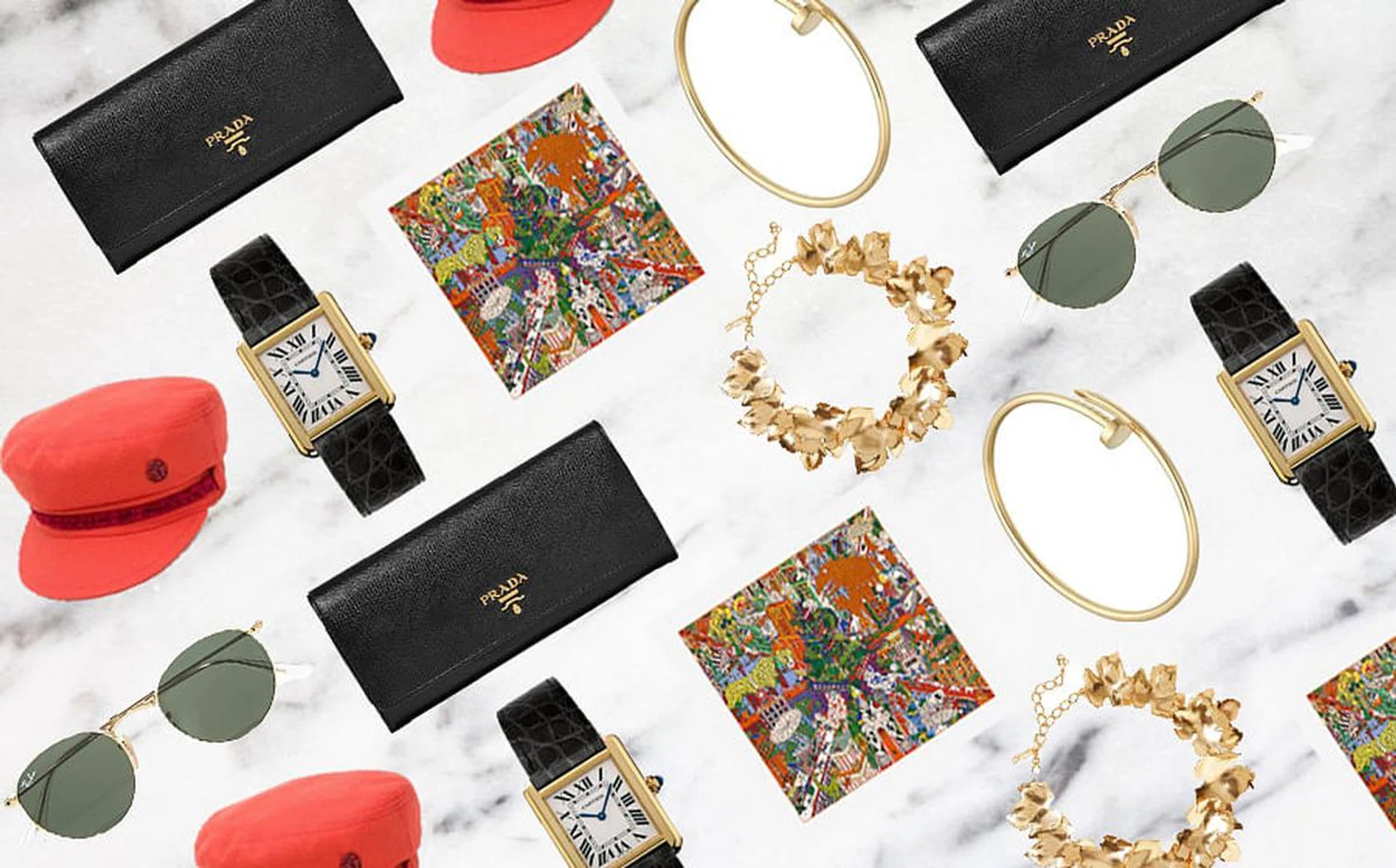
Invest your budget in pieces that will remain relevant for years. A high-quality leather belt, a pair of classic sunglasses (like Aviators or Wayfarers), and a leather wallet are items that do not go out of style. These should be considered staples that provide a high "cost-per-wear" value.
Practical Tips for Styling Accessories
Styling is an art form, but there are some fundamental rules that can help you avoid common pitfalls.
The Rule of Three
A common styling technique is the "Rule of Three." Try not to exceed three primary accessories at once to avoid looking cluttered. For example: a watch, a pair of earrings, and a scarf. This keeps your look curated rather than chaotic.
Consider Your Proportions
If you are petite, avoid accessories that overwhelm your frame, such as massive tote bags or overly thick belts. Conversely, if you have a taller frame, delicate jewelry might get lost. Choose pieces that scale appropriately with your body type.
Color Coordination
You don't need to match your bag to your shoes—that is an outdated rule. Instead, look for color harmony. If you are wearing cool-toned clothing (blues, greys, greens), silver or platinum accessories often look more natural. If you are wearing warm tones (browns, oranges, reds), gold or brass hardware is a better complement.
Maintaining Your Accessory Collection
To ensure your accessories last, proper maintenance is essential. Neglect is the primary cause of damage for most items.
- Storage: Use dust bags for leather handbags to prevent scratches. Hang scarves to avoid wrinkles. Use jewelry boxes with individual compartments to prevent chains from tangling.
- Cleaning: Wipe down leather goods with a soft, damp cloth. Use a jewelry polishing cloth for metals to remove oxidation.
- Rotation: Do not wear the same pair of shoes or the same handbag every single day. Rotating your accessories gives materials like leather and fabric time to "rest" and retain their shape.
Conclusion: Building Your Signature Style
Accessories are the most accessible way to experiment with fashion. They allow you to shift your style from professional to playful in a matter of seconds. By understanding the importance of quality, knowing when to invest in classics versus trends, and learning how to care for your pieces, you can build a collection that serves you for years to come.
Remember, the best accessory you can wear is confidence. Choose pieces that make you feel like the best version of yourself, and don't be afraid to break the rules once you understand how to use them to your advantage. Whether it is a vintage watch, a silk scarf, or a statement pair of glasses, let your accessories tell your unique story.