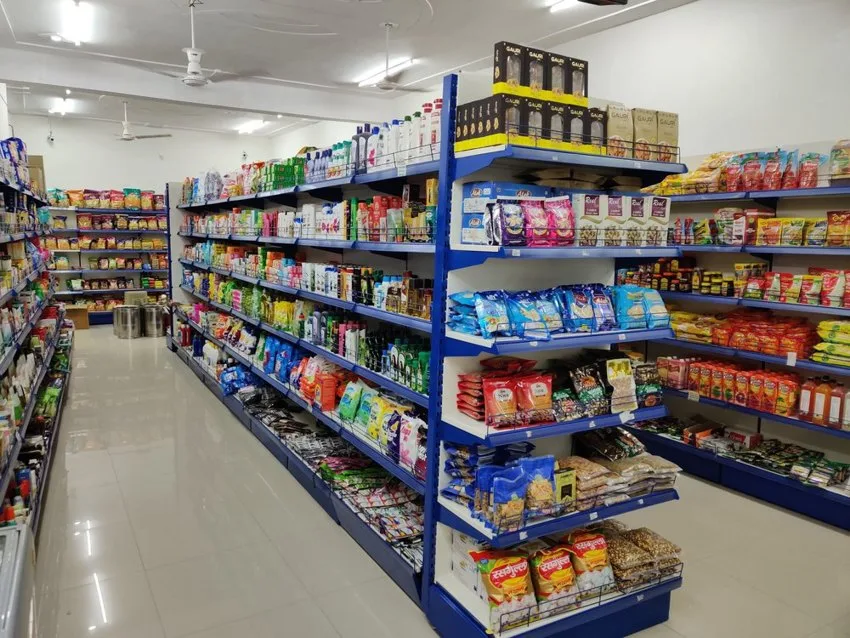
The Ultimate Guide to Departmental Store Shopping: How to Find Quality and Value
Navigating a large departmental store can be an overwhelming experience. With aisles stretching across multiple floors, thousands of product variations, and an endless array of brands, it is easy to lose focus and end up with items that do not meet your needs. Whether you are furnishing a new home, upgrading your wardrobe, or searching for the perfect gift, mastering the art of departmental store shopping is a skill that saves both time and money.
This comprehensive guide is designed to help you navigate the complex world of departmental shopping. We will explore how to identify quality, understand product categories, and implement strategies to ensure you get the best value for your investment.
Understanding the Departmental Store Ecosystem
Departmental stores are organized by categories to facilitate a structured shopping experience. Understanding how these sections function allows you to move through the store with purpose. Generally, these stores are divided into several key departments:
- Home and Kitchen: Appliances, cookware, bedding, and decor.
- Apparel and Accessories: Clothing for men, women, and children, along with jewelry and handbags.
- Beauty and Personal Care: Cosmetics, fragrances, and skincare products.
- Electronics: Gadgets, home entertainment systems, and small tech accessories.
When shopping in a departmental store, the key is to treat each department as a specialized shop. By focusing on one category at a time, you avoid "decision fatigue" and can make more informed comparisons between products.
Strategic Tips for Departmental Shopping
To become a pro at shopping in large-scale retail environments, you must move beyond impulsive buying. Here are several professional strategies to enhance your shopping experience:
1. Research Before You Arrive
While you may not be looking for a specific brand, you should have a clear idea of the specifications you need. If you are buying a blender, know the wattage and capacity required for your kitchen. If you are buying bed sheets, understand the difference between thread counts and material types like cotton, linen, or bamboo.
2. The "Quality First" Mindset
In a departmental store, the sheer volume of options can make it difficult to distinguish between "budget-friendly" and "cheap." Always inspect the construction of the item. For textiles, check the stitching; for electronics, check the build material; for furniture, test the stability. Quality items generally feel heavier and more durable than their lower-quality counterparts.
3. Utilizing Store Personnel
Departmental store associates are often trained in specific categories. Instead of wandering aimlessly, approach an associate in the relevant department. Ask questions like, "Which of these products has the lowest return rate?" or "What are the key differences between these two models?" Their insights can often steer you toward a better purchase.
Key Factors to Consider by Category
Each department requires a different set of criteria for evaluation. Use the table below to guide your assessment when browsing different aisles.
| Department | Primary Focus | What to Inspect |
|---|---|---|
| Home & Kitchen | Durability & Function | Materials (stainless steel vs. plastic), energy ratings, warranty. |
| Apparel | Fit & Fabric | Natural fibers (cotton/wool), stitching quality, ease of care. |
| Beauty | Ingredients & Skin Type | Expiry dates, active ingredients, tester samples. |
| Electronics | Performance & Compatibility | Technical specs, connectivity options, ease of use. |
Navigating Seasonal Trends and Sales
Departmental stores operate on a cyclical calendar. Understanding this cycle is vital for maximizing your budget. Most departmental stores follow a "clearance" schedule that coincides with the change of seasons.
The Off-Season Advantage
The best time to buy high-ticket items is often when they are least relevant to the current season. For example, kitchen appliances often go on sale during major holiday periods, while seasonal apparel is heavily discounted at the end of winter or summer. By shopping during these transition periods, you can often find premium quality items at a fraction of their original price.
Understanding Price Tags
Learn to decode price tags. In many departmental stores, specific price endings (such as .97 or .99) can indicate whether an item is at its final clearance price or is still part of the regular seasonal rotation. Do not be afraid to ask a clerk if an item is eligible for additional discounts or if there are upcoming promotions.
Common Pitfalls to Avoid
Even the most experienced shoppers can fall into traps. Here is how to protect your wallet and ensure satisfaction:
- Avoid Impulse Buys at Checkout: The area near the registers is designed for impulse purchases. Items placed here are often low-value add-ons that you do not actually need.
- Don't Ignore the Return Policy: Always check the store's return policy before completing a purchase, especially for high-value items. Ensure you understand the window for returns and whether you need the original packaging.
- Beware of "Store Exclusives": Sometimes, manufacturers create specific versions of products just for large departmental stores. These might have fewer features or cheaper materials than the version sold in specialty stores. Always compare model numbers if you are suspicious.
The Future of Departmental Shopping
The landscape of departmental shopping is evolving. We are seeing a shift toward "experiential retail," where stores offer more than just products—they offer services. This might include in-store tailoring, appliance demonstrations, or personalized consultations. When choosing where to shop, look for stores that provide these added values, as they often indicate a higher level of commitment to customer satisfaction.
Final Thoughts: Making Every Purchase Count
Shopping in a departmental store does not have to be a chore. By approaching the experience with a clear plan, an understanding of quality markers, and a strategic eye for seasonal trends, you can transform the process into an efficient and rewarding endeavor. Remember, the goal is not just to acquire items, but to acquire the right items that will serve you well for years to come.
Take your time, compare your options, and never settle for the first item you see. By following these guidelines, you will become a more confident and effective shopper, ensuring that every trip to the departmental store results in a smart, high-value purchase.