The Ultimate Guide to the Best Home Accessories: Elevate Your Living Space
Your home is more than just a place to live; it is a reflection of your personality, your taste, and your lifestyle. Often, the difference between a house that feels like a showroom and a home that feels truly lived-in lies in the details. This is where home accessories come into play. Whether you are looking to refresh a tired living room, add functionality to a cramped kitchen, or create a serene sanctuary in your bedroom, the right accessories can transform your space without the need for a major renovation.
In this guide, we explore the best home accessories to elevate your interior design, providing you with tips, trends, and selection criteria to ensure your home remains stylish and functional for years to come.
Why Home Accessories Are Essential for Interior Design
Home accessories are the "jewelry" of a room. Just as a well-chosen necklace or watch can elevate an outfit, carefully selected decor items can elevate a room’s aesthetic. Beyond aesthetics, accessories serve several functional purposes:
- Personalization: They allow you to showcase your interests, travel memories, and personal style.
- Functionality: Many accessories, such as storage baskets, trays, and lighting, serve a dual purpose of being both beautiful and useful.
- Mood Setting: Elements like textiles, candles, and artwork dictate the atmosphere of a room, whether it’s cozy and warm or sleek and modern.
- Budget-Friendly Updates: Replacing cushions, throws, or wall art is significantly more affordable than replacing furniture or painting walls.
Top Categories of Must-Have Home Accessories
To curate a home that feels cohesive and inviting, it is helpful to categorize your accessories. Here are the essential categories that every homeowner should focus on.
1. Textiles and Soft Furnishings
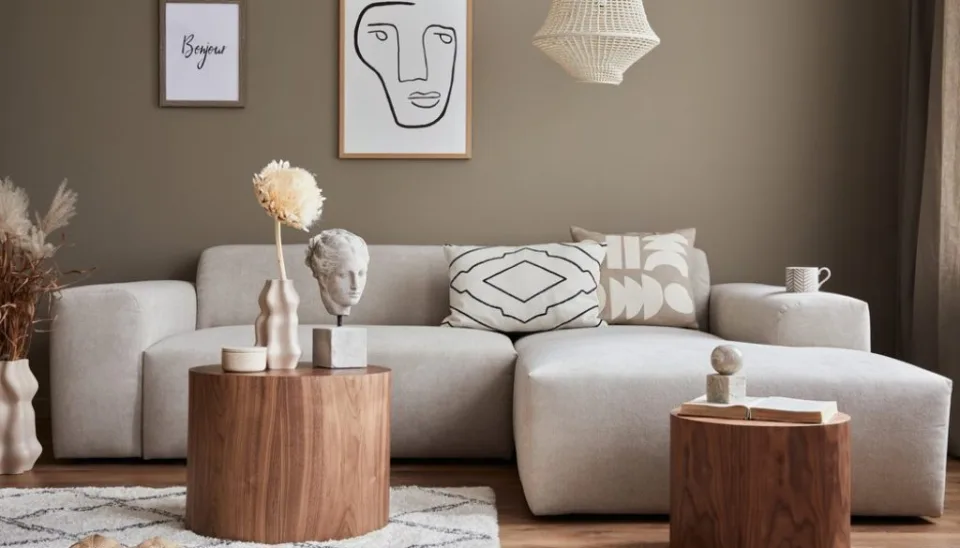
Soft furnishings are the easiest way to introduce texture, color, and pattern into a space. A neutral sofa can be completely transformed with the right set of throw pillows and a high-quality blanket. When choosing textiles, prioritize natural materials like wool, linen, and cotton for longevity and comfort.
2. Lighting Solutions
Lighting is arguably the most important element of interior design. While overhead lighting provides visibility, accent lighting—such as table lamps, floor lamps, and wall sconces—creates depth and warmth. Opt for warm-toned bulbs to create an inviting ambiance in the evening.
3. Wall Decor and Art
Blank walls can make a home feel unfinished. Whether you prefer a gallery wall of personal photographs, a large-scale abstract painting, or decorative mirrors, wall art provides a focal point and adds character to your home.
4. Functional Decor
This includes items that serve a specific purpose but look good doing it. Think decorative storage baskets, designer trays for organizing coffee tables, or sculptural bookends. Functional decor helps keep clutter at bay while maintaining a curated look.
Comparison of Popular Home Accessory Styles
Choosing a consistent style helps your home feel harmonious. Use the table below to identify which aesthetic best suits your current living environment.
| Style | Key Characteristics | Recommended Accessories |
|---|---|---|
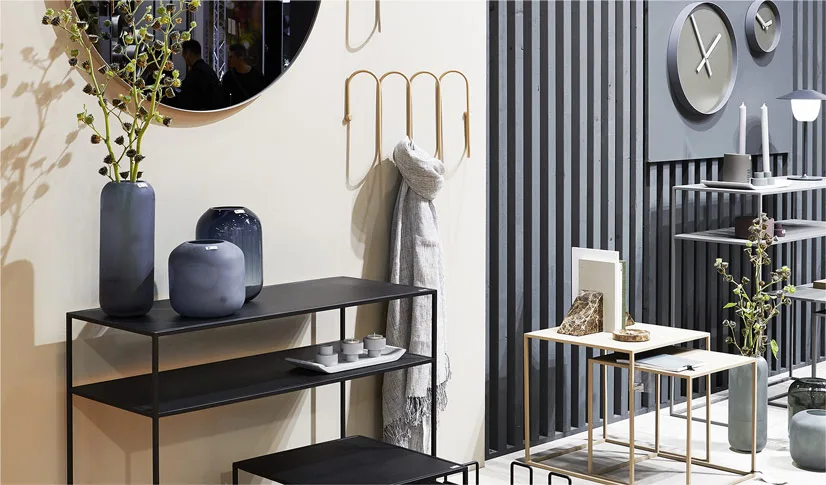
| Minimalist | Clean lines, neutral palette, "less is more" approach. | Matte ceramic vases, monochrome art, hidden storage. |
| Bohemian | Layered textures, earthy tones, eclectic mix. | Macramé wall hangings, woven baskets, velvet pillows. |
| Industrial | Raw materials, metal accents, vintage vibes. | Metal task lamps, leather accents, reclaimed wood trays. |
| Scandinavian | Functionality, light wood, cozy textiles (hygge). | Wool throws, minimalist candles, wooden bowls. |
Tips for Choosing the Best Home Accessories
Navigating the vast world of home decor can be overwhelming. Follow these professional tips to ensure you make the right choices for your space:
1. Consider the "Rule of Three"
When arranging accessories, odd numbers—especially three—are more visually appealing to the human eye. Grouping items of varying heights and textures together creates a balanced and professional-looking display, whether it’s on a mantelpiece or a coffee table.
2. Focus on Texture
If your room feels flat or boring, you likely lack texture. Mix smooth surfaces (glass, polished metal) with rough textures (jute, linen, wood). This contrast adds visual interest without requiring a bold color palette.
3. Don’t Overcrowd
The biggest mistake in home styling is "clutter creep." Your home should have negative space to allow the eye to rest. Before adding a new accessory, consider removing one. Quality over quantity is the golden rule of interior design.
4. Invest in Versatile Pieces
When shopping for high-end items like statement lamps or large mirrors, choose designs that are versatile enough to move between rooms. A classic brass floor lamp, for example, can look just as good in a bedroom as it does in a home office.
Emerging Trends in Home Accessories for 2024 and Beyond
Interior design trends are shifting toward sustainability and emotional connection. Here are the trends to watch:
- Biophilic Design: Bringing the outdoors in. This includes an abundance of indoor plants, organic shapes, and natural materials like stone and raw timber.
- Sustainable Materials: Consumers are increasingly choosing accessories made from recycled glass, bamboo, and ethically sourced textiles.
- Bold Colors and Retro Shapes: After years of all-white minimalism, there is a resurgence of 70s-inspired curved furniture, warm earth tones, and vibrant accent colors like terracotta and sage green.
- Artisanal Craftsmanship: Hand-woven baskets, hand-thrown pottery, and items with a "handmade" aesthetic are highly valued for their uniqueness and the story they tell.
How to Refresh Your Home on a Budget
You don't need a massive budget to achieve a designer look. Here is how to refresh your home accessories without breaking the bank:
- Rearrange Existing Items: Sometimes, simply moving a vase from the dining room to the bedroom can give it a new lease on life.
- Update Textiles: Swapping out cushion covers is significantly cheaper than buying new pillows. Opt for seasonal fabrics like linen for summer and velvet or faux fur for winter.
- Add Greenery: Plants are the most affordable and effective way to breathe life into a room. Even a single statement plant can change the energy of a corner.
- Group Your Collections: Instead of scattering items throughout the house, group similar pieces together on a tray or shelf to create a curated "moment."
Maintenance and Care for Your Accessories
To ensure your home accessories remain in pristine condition, regular maintenance is required. Different materials require different care:
- Textiles: Always check labels for cleaning instructions. Use a lint roller for upholstery and shake out throw blankets regularly.
- Ceramics and Glass: Hand wash delicate items with mild soap. Avoid abrasive scrubbers that can scratch finishes.
- Wood and Metal: Use appropriate polishes or oils to keep wood from drying out. For metal, a soft microfiber cloth is usually sufficient to remove fingerprints and dust.
- Artwork: Keep framed art out of direct sunlight to prevent fading. Dust frames with a soft cloth to avoid damaging the finish.
Conclusion: Crafting a Home That Feels Like You
The "best" home accessories are not necessarily the most expensive or the trendiest; they are the pieces that bring you joy and make your daily life more comfortable. By thoughtfully selecting items that reflect your personal history and style, you can create a living space that is uniquely yours.
Start small, focus on quality, and don't be afraid to experiment with different textures and arrangements. Remember, your home is a work in progress. Enjoy the process of curating it, and don't hesitate to evolve your collection as your tastes change over time. With the right accessories, your home will always be a place of comfort, inspiration, and style.