Best Home Accessories: The Ultimate Guide to Elevating Your Living Space
A house is built of walls and beams, but a home is built of love, memories, and the unique details that reflect your personality. While major furniture pieces like sofas, dining tables, and beds form the foundation of your living space, it is the home accessories that breathe life, warmth, and character into every room. Often referred to as the "jewelry of the home," accessories have the power to completely transform an interior without the need for expensive, time-consuming renovations.
Whether you are looking to execute a complete seasonal refresh, cozy up a minimalist apartment, or add a touch of sophistication to your family home, selecting the best home accessories is key. In this comprehensive guide, we will explore why investing in high-quality home decor accessories matters, delve into the essential categories you should consider, highlight the latest design trends, and provide professional styling tips to help you arrange your accessories like an interior designer.
---Why Investing in the Best Home Accessories Matters
Many homeowners underestimate the impact of small decorative elements. They focus their budget entirely on large furniture items, only to find that their rooms feel sterile, incomplete, or lacking in personality. Here is why prioritizing the right home accessories is crucial for a well-designed home:
- Expresses Personal Identity: Furniture is often mass-produced and chosen for its utility. Accessories, on the other hand, are highly personal. A hand-thrown ceramic vase, a vintage brass mirror, or a collection of curated travel books tells a story about who you are, where you have been, and what you value.
- Creates Visual Warmth and Comfort: Hard surfaces like hardwood floors, leather sofas, and wooden tables can make a room feel cold. Introducing soft accessories—such as plush throw blankets, woven area rugs, and textured cushions—softens the hard edges and invites people to relax and feel comfortable.
- Offers a Cost-Effective Way to Update Your Style: Interior design trends evolve constantly. Replacing a sofa or repainting a room every few years is costly and labor-intensive. In contrast, swapping out accent pillows, updating wall art, or introducing new table decor allows you to stay current with seasonal trends on a budget.
- Improves Functionality: The best home accessories are not just beautiful; they are also highly functional. Decorative trays organize clutter, stylish storage baskets hide toys and blankets, and strategically placed mirrors bounce natural light into dark corners, making small spaces feel larger.
Essential Categories of Home Accessories
To create a balanced and visually interesting home, it is important to draw from a variety of accessory categories. Mixing textures, materials, and functions prevents a room from looking like a showroom and makes it feel organic and lived-in. Here are the essential categories of home accessories every homeowner should explore.
1. Decorative Lighting
Lighting is one of the most powerful tools in interior design. It sets the mood, highlights architectural features, and serves as a sculptural element in its own right. While overhead lighting is functional, accent and ambient lighting create warmth and depth.
Consider incorporating table lamps with unique ceramic or textured glass bases, sleek metal floor lamps to illuminate dark corners, and sculptural candle holders. Scented candles and modern lanterns not only provide a soft, flickering glow but also introduce pleasant fragrances that enhance the sensory experience of your home.
2. Textiles and Soft Furnishings
Textiles are the secret weapon for adding texture, color, and pattern to a space. Without textiles, a room can feel flat and uninviting. When choosing soft furnishings, aim for a mix of materials to create a layered, sophisticated look.
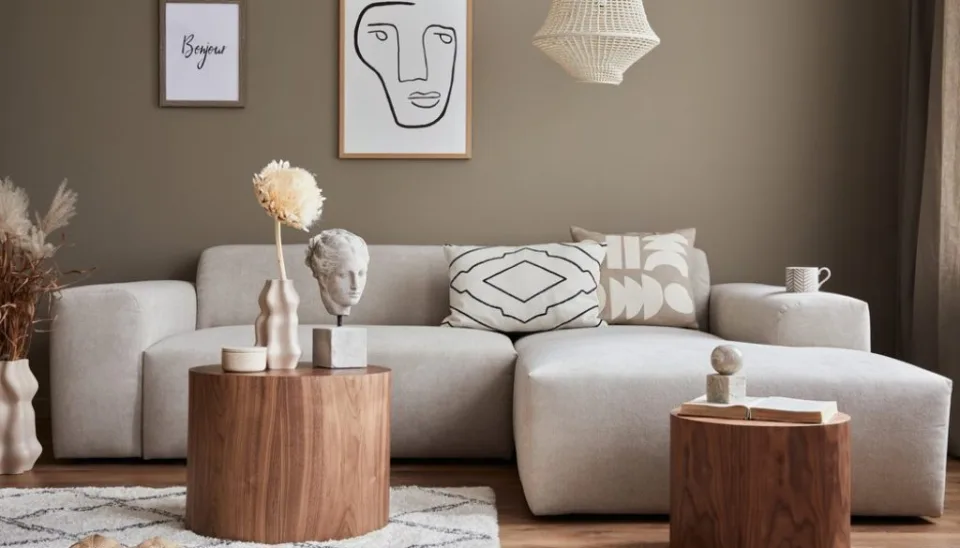
Start with area rugs to define zones within a room, especially in open-concept layouts. Layer throw blankets made of chunky knits, linen, or faux fur over sofas and armchairs. Finally, mix and match decorative cushions of varying sizes, shapes, and fabrics—such as velvet, boucle, and embroidered cotton—to add depth to your seating areas.
3. Wall Art and Mirrors
Blank walls can make a home feel temporary and unfinished. Wall art and mirrors are essential for drawing the eye upward, establishing focal points, and reflecting light throughout your living spaces.
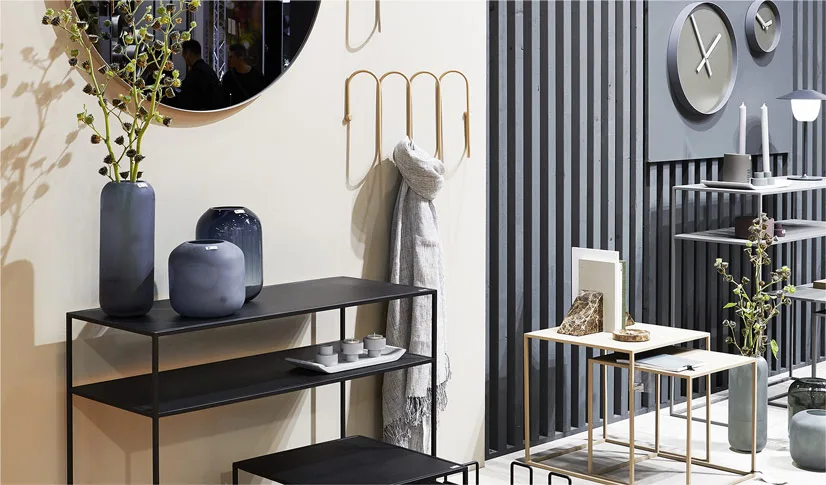
When selecting wall art, look for pieces that resonate with you, whether they are abstract canvas paintings, black-and-white photography, or framed botanical prints. Mirrors, on the other hand, are incredibly versatile. A large round mirror above a fireplace or a console table can make a narrow entryway feel twice as wide while bouncing natural light into adjacent rooms.
4. Botanicals and Planters
Bringing nature indoors is a fundamental principle of modern interior design, often referred to as biophilic design. Plants introduce organic shapes, vibrant colors, and a sense of life that synthetic materials simply cannot replicate.
If you have a green thumb, opt for air-purifying indoor plants like monsteras, snake plants, or fiddle-leaf figs, housed in stylish ceramic, terracotta, or woven planters. If maintenance is a concern, high-quality faux botanicals, dried pampas grass, or preserved eucalyptus branches in elegant glass vases offer the same aesthetic benefits without the upkeep.
5. Functional and Tabletop Decor
Tabletop decor consists of the smaller items that populate your coffee tables, shelves, mantels, and consoles. These items should be curated carefully to avoid clutter while adding visual interest.
Essential tabletop accessories include decorative trays (perfect for grouping smaller items like remotes and coasters), ceramic bowls, sculptural objects, and coffee table books. Books are particularly useful because they can be stacked horizontally to create height variations for other decorative items placed on top of them.
---Current Trends in Home Accessories
While classic design principles always apply, staying informed about current trends can inspire you to refresh your home with a modern twist. Today's home accessory trends focus heavily on sustainability, comfort, and a return to nature.
Sustainable and Artisanal Materials
Consumers are increasingly moving away from mass-produced plastic items in favor of sustainable, handmade goods. Accessories made from natural materials such as rattan, bamboo, reclaimed wood, recycled glass, and organic cotton are highly sought after. Hand-thrown pottery and artisanal ceramics, with their charming imperfections, add a unique, soulful touch to any room.
Organic Shapes and Curved Silhouettes
Rigid, sharp lines are taking a backseat to soft, organic curves. From circular mirrors and wavy candle holders to arched decorative objects and rounded vases, these flowing shapes mimic the natural world. They help soften the hard angles of modern architecture, creating a more relaxed and welcoming environment.
Warm Earthy Tones and Rich Textures
The trend toward warm minimalism has brought earthy color palettes to the forefront. Think terracotta, olive green, warm beige, mustard yellow, and deep rust. These colors are paired with rich, tactile textures like boucle, raw linen, brushed brass, and matte ceramics to create spaces that feel incredibly cozy and grounded.
---How to Choose the Best Home Accessories: A Buyer’s Guide
With thousands of options available, shopping for home accessories can quickly become overwhelming. To avoid buying items that don't fit your space or clash with your existing decor, keep these key factors in mind before making a purchase.
First, consider scale and proportion. A tiny vase on a massive dining table will look lost, while an oversized sculpture on a delicate side table will look top-heavy. Always measure your surfaces and choose accessories that complement the size of the furniture they sit on.
Second, establish a cohesive color palette. You do not need everything to match perfectly, but your accessories should share a common color thread. A good rule of thumb is the 60-30-10 rule: 60% dominant color (usually your walls and large furniture), 30% secondary color (rugs, curtains, major textiles), and 10% accent color (small accessories, art, cushions).
Third, focus on quality over quantity. It is far better to have three beautiful, high-quality pieces that you love than twenty cheap knick-knicks that create visual clutter. Look for durable materials like solid wood, stone, metal, and natural fibers.
To help you plan your accessory shopping, here is a quick-reference guide to the best home accessories by room:
| Room | Must-Have Accessory | Primary Function | Styling Tip |
|---|---|---|---|
| Living Room | Decorative Throw Blanket & Cushions | Adds comfort, color, and texture to seating areas. | Mix different textures (e.g., velvet with linen) while keeping a cohesive color palette. |
| Entryway | Statement Wall Mirror & Console Tray | Bounces light, makes the space look larger, and organizes keys. | Hang the mirror directly above the console table and place the tray off-center. |
| Dining Room | Ceramic Vase or Centerpiece Bowl | Acts as a focal point for the dining table. | Fill with seasonal branches or leave empty as a sculptural statement piece. |
| Bedroom | Ambient Bedside Lamps | Creates a relaxing, cozy atmosphere conducive to sleep. | Choose warm-toned LED bulbs and fabric shades that diffuse light softly. |
| Bathroom | Woven Storage Baskets & Stone Trays | Organizes toiletries while adding natural textures. | Roll up clean hand towels and place them inside a small rattan basket. |
Styling Tips: How to Arrange Your Accessories Like a Pro
Once you have curated your collection of home accessories, the next step is arranging them. Styling is an art, but it relies on a few simple design formulas that anyone can master. Use these professional styling tips to elevate your displays:
The Rule of Threes
In interior design, groupings of odd numbers—especially three—are more visually appealing and memorable to the human eye than even-numbered groupings. When styling a shelf, mantel, or coffee table, try grouping three items of different heights and shapes. For example, pair a tall candlestick, a medium-sized vase, and a small decorative box together. This creates a natural visual triangle that guides the eye smoothly across the display.
Vary Heights and Scales
Avoid placing items of the exact same height next to each other, as this creates a flat, uninteresting horizontal line. Instead, create depth by layering items of varying heights. If you have a low decorative bowl, prop it up by placing it on top of a stack of two or three design books. Pair tall, slender items (like a taper candle) with short, round items (like a ceramic pumpkin or globe) to create a pleasing contrast.
Layer from Back to Front
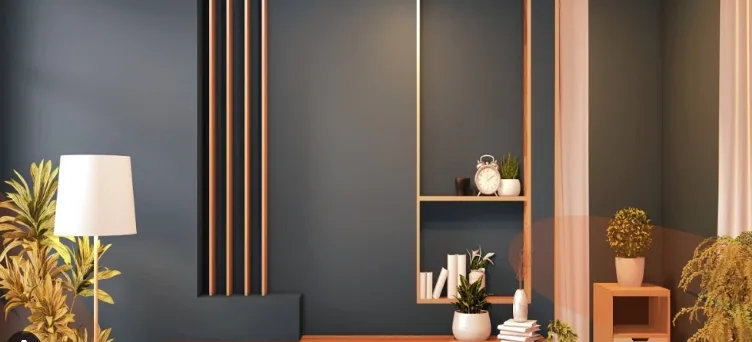
When styling flat surfaces like consoles, mantels, or deep shelves, think in three dimensions. Do not place all your items in a single straight line. Instead, layer them from back to front. Place larger, flatter items—such as framed art or a round mirror—against the wall at the back. Next, place medium-sized items like vases or lanterns slightly in front of and overlapping the background piece. Finally, place your smallest accessories, like candles or decorative crystals, in the very front.
Embrace Negative Space
One of the biggest mistakes people make when accessorizing is filling every square inch of available space. This results in visual clutter and makes a home feel chaotic. Negative space—or empty space—is essential because it gives the eye a place to rest and allows your favorite accessories to truly shine. If you have a beautifully styled shelf, leave the shelf next to it relatively empty or sparsely decorated to create balance.
---Conclusion
Home accessories are the ultimate tool for transforming a house into a warm, inviting, and highly personal home. By investing in essential categories like decorative lighting, rich textiles, expressive wall art, and organic botanicals, you can easily elevate your interior design. Remember to focus on high-quality materials, pay attention to scale and color palettes, and use styling techniques like the rule of threes to create balanced, beautiful displays.
Decorating your home is a journey, not a race. Take your time to collect pieces that you truly love, that tell your story, and that bring you joy every time you walk through the door. Start small—perhaps with a new throw blanket for your sofa or a beautiful ceramic vase for your dining table—and watch as these simple additions breathe new life into your favorite spaces.