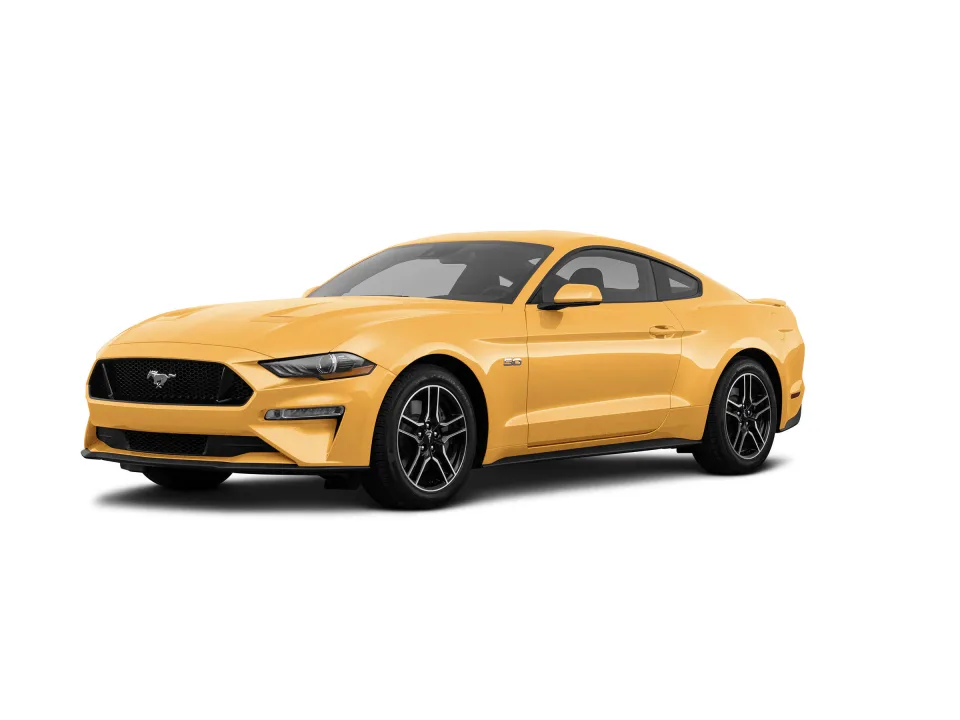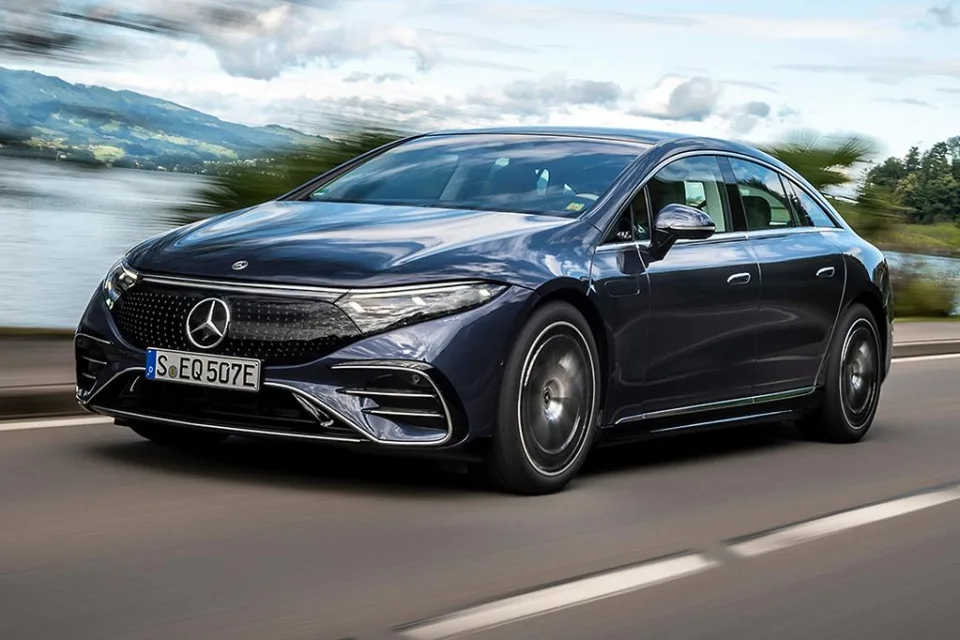
Electric Vehicles (EVs) vs. Internal Combustion Engine (ICE) Cars: A Comprehensive Comparison for Modern Drivers
The automotive industry is currently undergoing its most significant transformation since the invention of the assembly line. For decades, the Internal Combustion Engine (ICE) has reigned supreme, defining the way we travel, commute, and experience the open road. However, the rapid rise of Electric Vehicles (EVs) has introduced a new paradigm, challenging the status quo and forcing drivers to weigh their options carefully.
Choosing between an EV and an ICE car is no longer just about personal preference; it involves considering long-term costs, environmental impact, lifestyle compatibility, and technological convenience. This guide provides an in-depth comparison to help you navigate the complexities of the modern automotive market.
Understanding the Core Differences
At the heart of the debate are two fundamentally different methods of propulsion. An ICE vehicle relies on burning fossil fuels—gasoline or diesel—within an engine to create small, controlled explosions that drive pistons and turn the wheels. Conversely, an EV utilizes a battery pack to store energy, which powers one or more electric motors that provide instant torque to the drivetrain.
Performance and Driving Dynamics
Electric vehicles are widely celebrated for their "instant torque." Because electric motors do not need to build up revolutions per minute (RPM) to reach peak power, EVs provide immediate acceleration from a standstill. This makes them exceptionally responsive in urban environments and highway merging scenarios.
ICE vehicles, while often lacking the immediate "punch" of an EV, offer a different kind of experience. Enthusiasts often point to the mechanical feedback, the sound of the engine, and the linear power delivery as essential components of the driving experience. Furthermore, traditional transmissions in ICE cars provide a sense of engagement that some drivers find lacking in the single-speed gearboxes typical of EVs.
Cost of Ownership: Upfront vs. Long-Term
One of the most critical factors for any car buyer is the financial implication. While EVs often carry a higher sticker price, the total cost of ownership (TCO) tells a more nuanced story.
Initial Purchase Price
ICE vehicles generally have a lower entry price. Due to established manufacturing processes and economies of scale, traditional cars remain the most budget-friendly option for the initial purchase. EVs are often positioned in the mid-to-high price range, though this gap is narrowing as battery technology becomes cheaper and more efficient.
Maintenance and Fueling
When it comes to ongoing expenses, EVs hold a distinct advantage. An internal combustion engine has hundreds of moving parts—pistons, valves, fuel injectors, transmissions, and exhaust systems—all of which require regular maintenance, oil changes, and potential repairs. An electric drivetrain is significantly simpler, typically featuring fewer than 20 moving parts. There are no oil changes, no spark plugs to replace, and no complex exhaust systems to corrode.
| Feature | Internal Combustion Engine (ICE) | Electric Vehicle (EV) |
|---|---|---|
| Fuel Source | Gasoline/Diesel | Electricity (Battery) |
| Maintenance Needs | High (Oil, Filters, Belts, Fluids) | Low (Tires, Brakes, Cabin Filter) |
| Refueling Time | Fast (3-5 minutes) | Slow (30 minutes to 12+ hours) |
| Driving Range | Long (400-600+ miles) | Moderate (200-400 miles) |
| Environmental Impact | High Carbon Emissions | Zero Tailpipe Emissions |
Lifestyle Compatibility: Range and Charging
For many drivers, the decision comes down to logistics. How you live, where you work, and how you travel will determine which technology fits your lifestyle best.
The Range Anxiety Factor
Range anxiety—the fear that a vehicle will run out of power before reaching a destination—has been the primary barrier to EV adoption. ICE vehicles benefit from a mature infrastructure; gas stations are ubiquitous, and refueling takes only a few minutes. If you are a long-distance commuter or live in an area with sparse charging infrastructure, an ICE vehicle or a Plug-in Hybrid (PHEV) might offer more peace of mind.
Charging Infrastructure
EV owners who have the ability to charge at home enjoy a level of convenience that ICE owners do not: "refueling" while they sleep. Starting the day with a "full tank" is a game-changer for daily commuters. However, for those living in apartments or areas without dedicated parking, the reliance on public charging networks can be a significant hurdle. Public charging is improving rapidly, but it still requires more planning than a simple stop at a gas station.
Environmental Impact and Sustainability
The push toward electrification is largely driven by the need to reduce carbon emissions. EVs produce zero tailpipe emissions, which significantly improves air quality in urban centers. However, the "greenness" of an EV is also tied to how the electricity used to charge it is generated. If your local grid is powered by coal, the carbon footprint of your EV is higher than if your grid is powered by wind or solar.
ICE vehicles contribute directly to greenhouse gas emissions throughout their lifespan. Even the most efficient modern engines cannot match the emissions-free operation of an electric motor. When considering the environment, one must also look at the lifecycle of the vehicle, including the mining of minerals for EV batteries, which is an area of ongoing innovation and scrutiny.
Key Considerations Before You Buy
If you are standing at the crossroads of deciding which type of vehicle to purchase, consider these four categories:
- Your Daily Commute: If you drive less than 50 miles a day and have access to home charging, an EV is likely the superior choice for convenience and cost.
- Road Trip Frequency: If you frequently drive hundreds of miles in a single day, an ICE vehicle or a long-range hybrid will minimize downtime.
- Budget Structure: If you have limited capital upfront, an ICE car is the traditional path. If you can afford a higher monthly payment or a larger down payment, the long-term savings on fuel and maintenance of an EV often balance out the cost over 5-7 years.
- Resale Value: The market for used EVs is still maturing. ICE vehicles currently have more predictable resale values, but as demand for EVs grows, their depreciation rates are becoming more competitive.
The Future of the Automotive Market
The dichotomy between ICE and EV is likely to blur in the coming years. We are seeing a surge in Hybrid and Plug-in Hybrid (PHEV) vehicles, which serve as a bridge between the two technologies. These vehicles allow drivers to enjoy electric power for short trips while retaining the flexibility of a gasoline engine for long journeys.
Furthermore, the automotive industry is investing heavily in solid-state battery technology, which promises to increase range and decrease charging times significantly. Simultaneously, carbon-neutral synthetic fuels are being researched for high-performance ICE vehicles, potentially extending the lifespan of traditional engine technology in specific niches.
Conclusion: Which One is Right for You?
There is no "better" car in a vacuum; there is only the right car for your specific life circumstances. If you value simplicity, low maintenance, and are committed to reducing your personal carbon footprint, the transition to an Electric Vehicle is an exciting and rewarding move. If you prioritize absolute freedom of movement, lower initial costs, and the tactile experience of a traditional engine, the Internal Combustion Engine vehicle remains a reliable and highly capable partner for your journeys.
As the technology continues to evolve, the gap between these two worlds will continue to shrink. The most important step for any prospective buyer is to assess their own driving habits, evaluate their local infrastructure, and take a test drive of both types of vehicles. Only then can you make an informed decision that will serve you well for the miles ahead.