Minimalism vs. Maximalism: Choosing the Right Home Accessories for Your Living Space
The interior design world is often divided into two distinct philosophies: the clean, serene lines of Minimalism and the vibrant, storytelling depth of Maximalism. When it comes to home accessories, these two styles represent more than just aesthetic choices—they reflect how we interact with our environment. Whether you are looking to declutter your life or express your personality through curated chaos, understanding how to select the right home accessories is the key to a balanced home.
In this guide, we will compare these two design approaches, explore the essential accessories for each, and help you decide which style best fits your lifestyle and home architecture.
Understanding Minimalism: Less is More
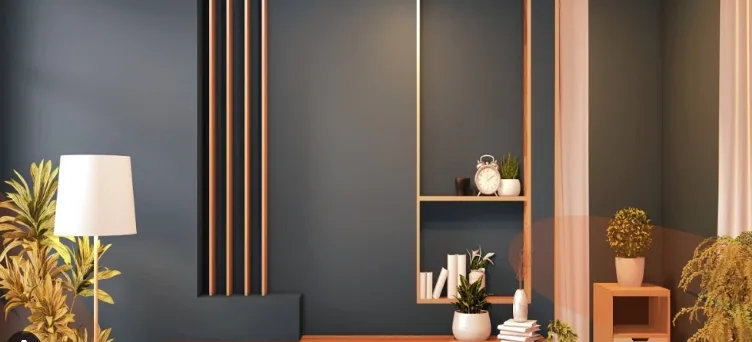
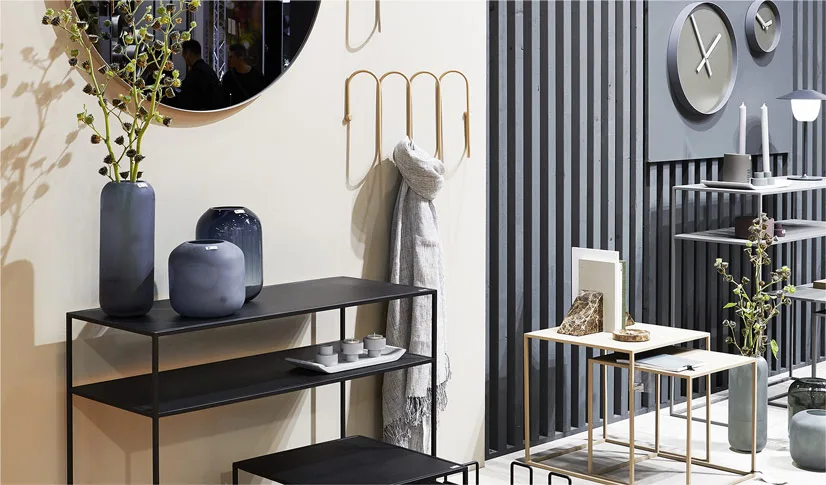
Minimalism is not about living in an empty room; it is about intentionality. In a minimalist home, every accessory serves a purpose, whether it is functional or purely aesthetic. The goal is to reduce visual noise and create a sanctuary of calm. When choosing home accessories for a minimalist space, the focus is on quality over quantity, neutral palettes, and clean silhouettes.
Key Principles of Minimalist Accessories
- Functionality: If an item doesn't serve a purpose or bring genuine joy, it shouldn't be there.
- Neutral Tones: Think beige, white, grey, and soft earth tones to maintain visual harmony.
- Quality Materials: Opt for natural textures like stone, wood, glass, and linen.
- Negative Space: Leave surfaces clear to allow the few selected pieces to stand out.
Understanding Maximalism: More is More
Maximalism is the art of expression. It is a celebration of color, pattern, texture, and history. A maximalist home is never boring; it tells the story of the inhabitant through layers of art, textiles, and unique home accessories. Unlike minimalism, maximalism encourages the "cluttercore" approach, provided it is curated with intention rather than just being messy.
Key Principles of Maximalist Accessories
- Eclectic Mix: Combining vintage finds with modern pieces creates a rich, layered look.
- Bold Color Palettes: Don't be afraid to clash patterns or use vibrant, saturated colors.
- Storytelling: Accessories should be conversation starters—souvenirs, art, or quirky collectibles.
- Texture Overload: Velvet, silk, brass, and rattan can all coexist in a single room.
Comparison Table: Minimalism vs. Maximalism
| Feature | Minimalist Approach | Maximalist Approach |
|---|---|---|
| Primary Goal | Serenity and Focus | Self-Expression and Vitality |
| Color Palette | Monochromatic or Neutral | Bold, Saturated, and Varied |
| Accessory Volume | Sparse, carefully curated | Abundant, layered, grouped |
| Key Texture | Smooth, matte, natural | Mixed, tactile, ornate |
| Visual Impact | Subtle and grounding | Energetic and stimulating |
Essential Home Accessories for Every Style
Regardless of which design philosophy you lean toward, certain categories of home accessories are universal. However, the way you style them will differ drastically based on your chosen aesthetic.
1. Lighting Fixtures
Lighting is the jewelry of a room. For a minimalist, a sleek, architectural floor lamp in matte black or brushed metal is ideal. It provides light without dominating the space. Conversely, a maximalist might choose a vintage chandelier, a colorful Tiffany-style lamp, or multiple neon signs to create a dramatic focal point.
2. Wall Decor
Minimalists often stick to a single, large-scale piece of abstract art or a simple mirror with a thin frame. The goal is to keep the walls from feeling "heavy." Maximalists, on the other hand, love gallery walls. They might cover an entire wall with framed photos, paintings, plates, and tapestries, ensuring that every inch of wall space contributes to the room's narrative.
3. Textiles and Soft Furnishings
Throw pillows and blankets are the easiest way to shift the mood of a room. Minimalists look for high-quality fabrics like cashmere or heavy cotton in solid, neutral colors. Maximalists opt for patterns—think ikat, animal print, or floral—combined with textures like faux fur, velvet, and intricate embroidery.
How to Choose the Right Style for Your Home
Choosing between these two styles isn't just about what you see on social media; it’s about how you function within your home. Here are three factors to consider:
Consider Your Lifestyle
If you have young children or pets, minimalism can be easier to maintain because there are fewer items to break or clean around. If you are a collector or a creative who finds inspiration in visual stimulation, maximalism will make you feel more at home and energized.
Analyze Your Space
Small apartments often benefit from minimalist accessories to prevent the room from feeling cramped. However, if you have a large, open-plan home, maximalism can help make expansive, cold spaces feel cozy and intimate.
The "Middle Ground" Option: Transitional Style
If you feel overwhelmed by the strict rules of either style, consider the "Transitional" approach. This involves keeping the base of your home neutral (minimalist) but adding "maximalist" touches in specific areas, such as a bold rug or a collection of vibrant art. This allows you to rotate your accessories based on your mood without needing to redesign the entire room.
Tips for Sourcing Sustainable Home Accessories
Whether you are a minimalist or a maximalist, the impact of your purchases on the environment matters. As the demand for home accessories grows, so does the importance of ethical sourcing.
- Thrift and Vintage: Maximalists, in particular, should frequent flea markets and antique shops. It is the most sustainable way to find unique, high-quality pieces that have already stood the test of time.
- Support Local Artisans: Buying handmade ceramics, hand-woven baskets, or local art ensures that your home accessories are unique while supporting local economies.
- Prioritize Natural Materials: Avoid plastic-heavy decor. Look for bamboo, wool, glass, and metal, which are easier to recycle or repurpose in the future.
- Invest in Timelessness: Instead of chasing fast-decor trends, choose pieces that you genuinely love and will want to keep for years. This is the ultimate form of sustainable living.
The Future of Home Accessories: Trends to Watch
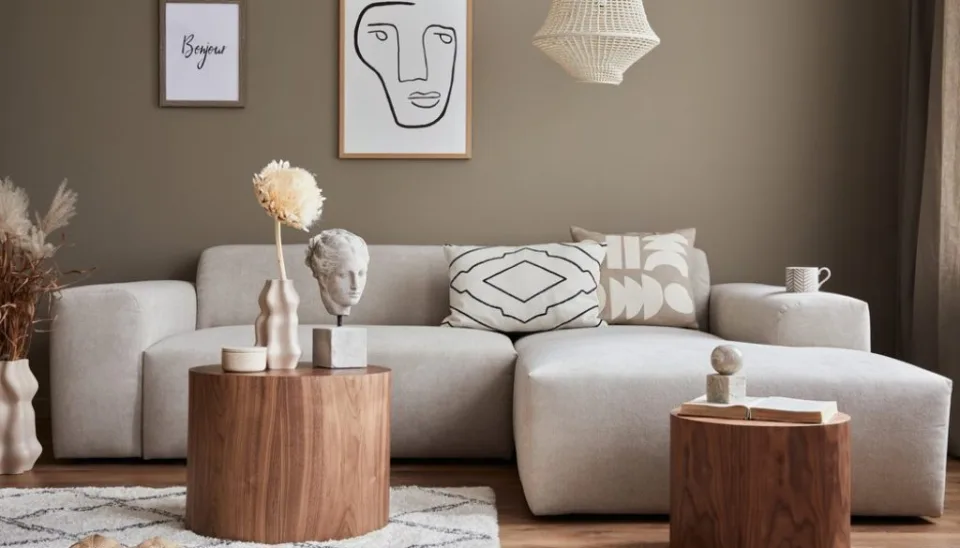
As we move forward, the line between these two styles is blurring. We are seeing a rise in "Warm Minimalism," which incorporates the clean lines of minimalism with the cozy, tactile elements of maximalism. Think of a room with very few items, but where every item—a sculptural ceramic vase, a hand-tufted rug, or a raw wood coffee table—is rich in texture and character.
Another emerging trend is the "Biophilic" approach, which focuses on bringing the outdoors in. Regardless of your style, adding plants is a universal home accessory. For minimalists, a single, large fiddle leaf fig in a plain pot works perfectly. For maximalists, a jungle-like arrangement of hanging plants, succulents, and climbing vines can turn a corner of a room into a lush, living accessory.
Final Thoughts: Creating a Home That Reflects You
The choice between minimalism and maximalism is ultimately a personal journey. Your home is your sanctuary, and your accessories are the tools you use to craft that sanctuary. Do not feel pressured to follow a specific "rulebook." If you love the look of a stark, white living room but want to add a vibrant, patterned rug, do it. If you have a house full of art but want to clear off your tabletops to create more breathing room, start there.
The best home accessories are those that resonate with you. They should make your home feel more like *you*, not just a replica of a catalog. By understanding the core principles of both styles, you can make informed decisions that ensure your home remains both functional and beautiful for years to come.
Remember, the most important aspect of home design is that it serves your life. Whether you choose to surround yourself with a few, highly curated objects or a vast collection of items that bring you joy, your home should always be a place where you feel most comfortable.