Minimalism vs. Maximalism: Choosing the Right Home Accessories for Your Living Space
The interior design world is often divided into two distinct philosophies: the clean, serene lines of Minimalism and the vibrant, storytelling depth of Maximalism. Choosing between these two styles—or finding a balance—is the most critical step in curating your home accessories. Home accessories are the jewelry of your living space; they provide the personality, texture, and functionality that transform a house into a home. Whether you are looking to declutter your life or express your boldest creative impulses, understanding how these two styles influence your accessory choices is essential.
In this guide, we will explore the nuances of Minimalist versus Maximalist home accessories, helping you decide which path aligns best with your lifestyle, budget, and aesthetic goals.
Understanding the Philosophy of Home Accessories
Before diving into the comparison, it is important to understand that home accessories encompass everything from throw pillows and rugs to wall art, decorative vases, and lighting fixtures. In any design scheme, these items serve three primary functions:
- Utility: Providing comfort or practical use (e.g., a throw blanket or a storage basket).
- Visual Interest: Adding color, texture, or focal points to a room.
- Expression: Reflecting the homeowner’s personality and experiences.
While the function remains the same, the execution differs drastically between the two styles. Minimalism focuses on "less is more," while Maximalism embraces "more is more."
Minimalist Home Accessories: The Art of Intentionality
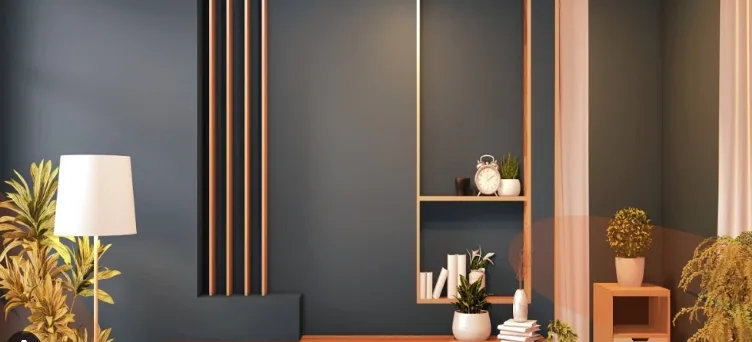
Minimalism is not about having nothing; it is about having everything you need, and nothing you don’t. When selecting accessories for a minimalist home, every piece must earn its place. The goal is to create a calm, uncluttered environment that promotes relaxation and mental clarity.
Key Characteristics of Minimalist Accessories
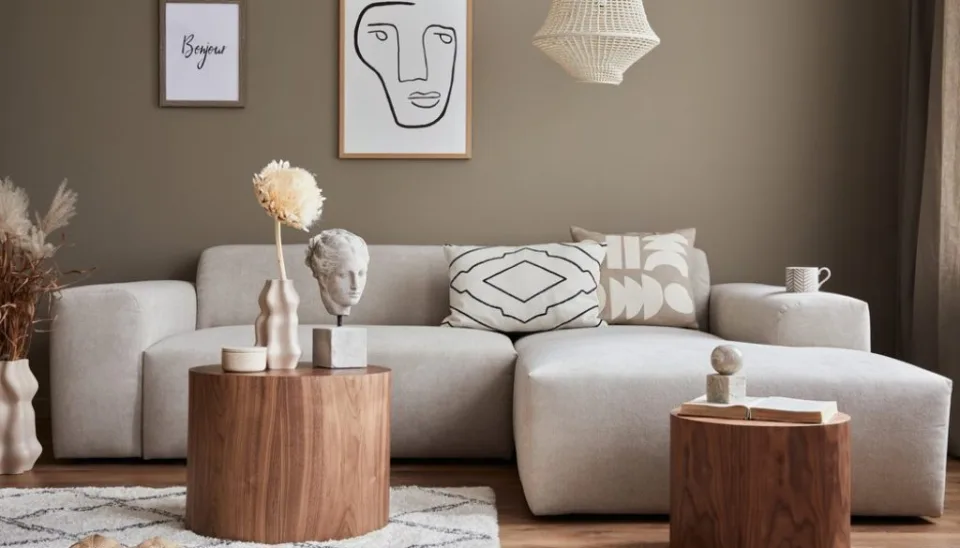
- Neutral Palettes: Think shades of white, beige, soft grey, and earthy tones.
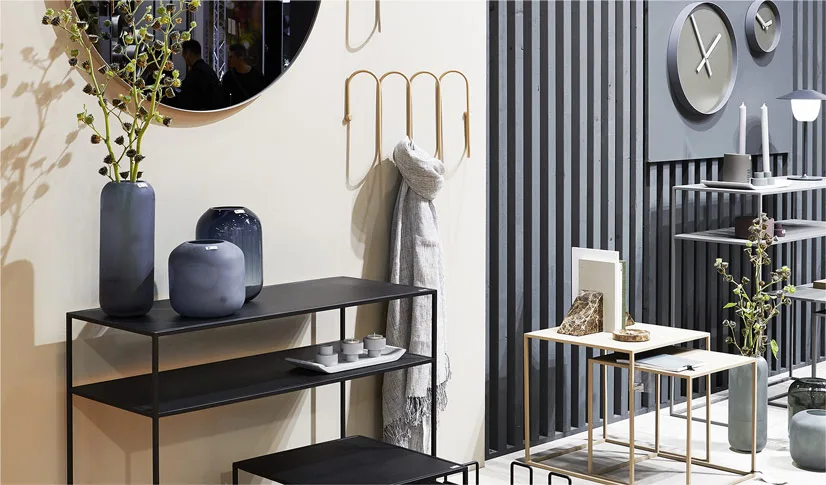
- High-Quality Materials: Focus on natural elements like wood, stone, linen, and matte metals.
- Functional Beauty: Accessories should serve a purpose. A beautiful ceramic bowl is not just for show; it holds your fruit.
- Clean Lines: Geometric shapes and smooth, uninterrupted surfaces are preferred over ornate details.
When to Choose Minimalism
Minimalism is ideal for smaller living spaces where clutter can quickly make a room feel cramped. It is also the perfect choice for individuals who lead busy, high-stress lives and require a home environment that feels like a sanctuary of peace. By limiting your home accessories, you reduce visual noise, making it easier to maintain a tidy space.
Maximalist Home Accessories: The Celebration of Personality
Maximalism is the antidote to the sterile, "showroom" look. It is an unapologetic celebration of color, pattern, and texture. Maximalist home accessories are used to layer a room with history, interest, and vibrant energy. It is a style that encourages you to showcase your collections, travel souvenirs, and eclectic finds.
Key Characteristics of Maximalist Accessories
- Bold Patterns and Colors: Mixing prints, textures, and saturated hues is the hallmark of this style.
- Layering: Combining different eras and styles—vintage mirrors paired with modern neon signs, for instance.
- Personal Collections: Displaying books, curiosities, and art pieces that tell a story.
- Texture Play: Incorporating velvet, silk, wool, and metallic finishes to create depth.
When to Choose Maximalism
Maximalism is for the creative soul who wants their home to be an extension of their personality. It works exceptionally well in large, open-concept homes or older properties with unique architectural features. If you have a collection of items you love but are afraid to display, Maximalism gives you the permission to curate them into a cohesive, albeit busy, display.
Direct Comparison: Minimalist vs. Maximalist Accessories
To help you visualize the differences, the following table breaks down how common home accessories change depending on the chosen design philosophy.
| Accessory Type | Minimalist Approach | Maximalist Approach |
|---|---|---|
| Throw Pillows | Monochromatic, solid textures, linen or wool. | Mixed patterns, fringe, velvet, bold colors. |
| Wall Art | Single, large-scale abstract piece or empty space. | Gallery wall featuring varied frames and styles. |
| Lighting | Architectural, hidden sources, matte black/white. | Statement chandeliers, colorful glass, ornate bases. |
| Storage | Hidden away in seamless, built-in cabinetry. | Open shelving displaying decorative boxes and books. |
| Plants | One large, structural plant (e.g., Fiddle Leaf Fig). | A "jungle" effect with various sizes and hanging pots. |
How to Choose the Right Style for Your Space
Choosing between Minimalism and Maximalism doesn't have to be an all-or-nothing decision. Many modern homes utilize a "curated" approach that blends both worlds. Here is how to decide which direction to lean:
1. Assess Your Lifestyle
If you have young children or pets, a minimalist home with fragile, sparse accessories might be easier to clean, but a maximalist home with durable, patterned textiles might hide stains and wear more effectively. Consider the practicality of your accessories in your daily life.
2. Evaluate Your Space
Natural light plays a huge role. Minimalism thrives in light-filled, airy rooms where the lack of clutter allows the light to bounce off surfaces. Maximalism can actually make a dark, cozy room feel intentional and intimate, using rich colors and textures to embrace the lack of natural light.
3. Start Small with "The Hybrid Approach"
If you are unsure, try the hybrid method. Start with a minimalist base—neutral furniture and clean wall colors—and then add maximalist "pops" through your home accessories. A neutral sofa can be completely transformed by layering it with eclectic, patterned throw pillows and a colorful, vintage-inspired rug. This allows you to change your style as your tastes evolve without having to replace major furniture pieces.
Tips for Shopping for Home Accessories
Regardless of the style you choose, shopping for home accessories should be a thoughtful process. Here are three professional tips to ensure you make the right investments:
- Invest in "Anchors": Whether you are a minimalist or a maximalist, start with high-quality anchor pieces. For a minimalist, this might be a single, high-end sculptural vase. For a maximalist, this could be a large, ornate area rug that sets the color palette for the rest of the room.
- Consider Scale and Proportion: A common mistake is buying accessories that are too small for the space. In a minimalist room, one large, well-placed accessory is more effective than five small ones. In a maximalist room, vary the heights of your accessories to keep the eye moving.
- Shop for Texture, Not Just Color: Accessories are the primary way to introduce texture into a room. Even in a strictly minimalist space, mixing a smooth glass lamp with a chunky knit throw blanket adds essential depth.
The Future of Home Accessories: Trends to Watch
As we look toward the future of home decor, the boundaries between these two styles are blurring. We are seeing a rise in "Warm Minimalism," which combines the clean lines of the minimalist movement with the soft, inviting textures of a more lived-in space. Simultaneously, "Organized Maximalism" is gaining traction, where homeowners display large collections but do so within structured, color-coordinated arrangements.
Key trends to keep an eye on include:
- Sustainable Materials: Regardless of style, there is a massive shift toward accessories made from recycled glass, reclaimed wood, and organic fibers.
- Artisanal Craftsmanship: Consumers are moving away from mass-produced plastic items in favor of handmade ceramics, woven baskets, and hand-loomed textiles that provide a sense of authenticity.
- Smart Home Integration: Accessories that serve a dual purpose—like smart lighting that adjusts color temperature or voice-controlled decorative fans—are becoming standard in both minimalist and maximalist homes.
Conclusion
The choice between Minimalist and Maximalist home accessories is ultimately a choice about how you want your home to feel. Minimalism offers a breath of fresh air, a quiet escape from the chaos of the outside world, and a focus on the beauty of simplicity. Maximalism offers a canvas for your identity, a warm embrace of color and history, and a space that is never boring.
Remember, there is no "correct" way to accessorize your home. The best design is one that makes you feel comfortable, inspired, and at peace. Whether you choose to pare down to the essentials or fill your shelves with the treasures of your life, ensure that every accessory you bring into your home brings you joy. By understanding these two core philosophies, you can curate a space that is not only stylish but deeply, authentically yours.