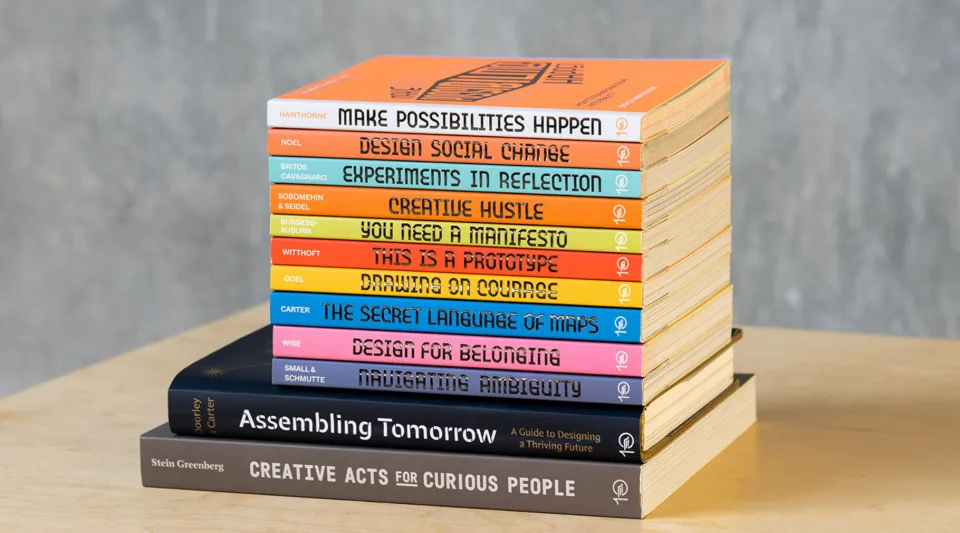
Physical Books vs. E-books vs. Audiobooks: Which Reading Format Reigns Supreme?
In the digital age, the way we consume literature has undergone a seismic shift. For centuries, the printed page was the sole vessel for stories and information. Today, readers are spoiled for choice, navigating a landscape dominated by physical books, e-books, and audiobooks. Each format offers a distinct experience, catering to different lifestyles, preferences, and learning styles. But which one truly reigns supreme? In this comprehensive guide, we compare these three reading formats to help you decide which is the best fit for your literary journey.
The Timeless Appeal of Physical Books
There is an undeniable sensory experience associated with physical books that technology has yet to replicate. For many, reading is not just about the information; it is about the ritual. The tactile sensation of paper, the scent of ink, and the visual progress of a bookmark moving toward the end of a volume create a deep psychological connection to the material.
Pros of Physical Books
- Reduced Eye Strain: Unlike screens, physical paper does not emit blue light, making it the ideal choice for late-night reading without disrupting sleep patterns.
- Cognitive Retention: Studies suggest that physical books help readers build a "mental map" of the text, leading to better comprehension and memory retention.
- Digital Detox: A physical book provides a sanctuary from notifications, emails, and the constant hum of digital distraction.
- Collectibility: Bookshelves act as personal artifacts, reflecting your identity and interests.
Cons of Physical Books
- Portability Issues: Carrying a 500-page hardcover is cumbersome, and building a massive home library requires significant physical space.
- Environmental Impact: Paper production involves deforestation and chemical processes, though this is often balanced by the long lifespan of a book.
The Rise of E-books: Convenience at Your Fingertips
E-books revolutionized the publishing industry by making thousands of titles accessible within a single, lightweight device. Whether you are a student, a frequent traveler, or someone living in a small space, e-books offer unparalleled utility.
Pros of E-books
- Portability: You can carry an entire library in your pocket. This is a game-changer for commuters and travelers who want options without the weight.
- Instant Gratification: With a few taps, you can purchase and download a new release immediately, regardless of where you are in the world.
- Customization: E-readers allow users to adjust font size, style, and brightness, making reading accessible for those with visual impairments.
- Cost-Effectiveness: E-books are generally cheaper than their print counterparts, and many classics are available for free in the public domain.
Cons of E-books
- Battery Dependence: Your reading session is tied to your battery life. If your device dies, your library is inaccessible.
- Lack of Tactility: The absence of physical feedback can make it harder for some readers to track their progress through a book.
Audiobooks: Literature for the Multitasker
Audiobooks are the fastest-growing segment in the publishing world. They have transformed reading from a stationary activity into one that can be integrated into the busiest of schedules. By turning "dead time"—such as commuting, cleaning, or exercising—into productive learning or entertainment time, audiobooks have democratized literature for those who struggle to find time to sit down with a book.
Pros of Audiobooks
- Multitasking Efficiency: You can "read" while driving, cooking, or walking the dog, effectively doubling your productivity.
- Performance Value: A skilled narrator can bring a story to life in ways that silent reading cannot, using tone, pacing, and character voices to enhance the narrative.
- Accessibility: Audiobooks are an essential tool for individuals with dyslexia or visual impairments, ensuring that literature remains inclusive.
Cons of Audiobooks
- Focus Requirements: It is easy for the mind to wander while listening, which may lead to missing key plot points or complex arguments.
- Pacing Control: Unlike reading text, where you can skim or re-read a sentence in seconds, navigating an audiobook to find a specific passage can be time-consuming.
Comparative Analysis: A Quick Reference Guide
To help you make an informed decision based on your specific needs, we have compiled a comparison table across key performance indicators.
| Feature | Physical Books | E-books | Audiobooks |
|---|---|---|---|
| Portability | Low | High | High |
| Eye Strain | None | Low (with E-ink) | None |
| Immersion | High | Moderate | High (Performance-based) |
| Multitasking | No | No | Yes |
| Space Saving | No | Yes | Yes |
How to Choose the Right Format for Your Reading Goals
Choosing the right format doesn't have to be an "all or nothing" decision. Many avid readers utilize a hybrid approach, choosing the medium based on the context of their day.
For Deep Work and Academic Study
If you are reading non-fiction, textbooks, or dense philosophical works, physical books are generally superior. The ability to physically highlight, annotate in the margins, and flip back and forth between pages aids in deep cognitive processing and critical thinking. The lack of screen distraction helps maintain the "deep work" state required for complex information absorption.
For Commuters and Busy Professionals
If your schedule is packed, audiobooks are your best ally. They allow you to consume content during transit or chores. For those who travel frequently, an e-reader is the most logical choice, as it eliminates the need to choose which books to pack in your suitcase.
For Leisure and Fiction Lovers
If you are looking to escape into a novel, the format is entirely down to personal preference. Many readers prefer the cozy atmosphere of a physical book for bedtime reading, while others enjoy the convenience of e-books for reading on the go. If you find yourself struggling to stay awake while reading, an audiobook can keep you engaged through the narrator's performance.
Future Trends in the Book Industry
The world of books is not static. We are seeing a convergence of these technologies. For instance, some modern editions now include QR codes that link to exclusive audio content or author interviews. Furthermore, the rise of "Whispersync" technology—which allows readers to seamlessly switch between reading an e-book and listening to the corresponding audiobook—is gaining massive popularity. This hybrid model allows the reader to never lose their place, regardless of whether they are sitting on the couch or driving to work.
Another emerging trend is the "Phygital" experience, where publishers create high-quality physical editions that serve as keepsakes, while offering the convenience of digital formats for daily consumption. This acknowledges that while the digital format wins on utility, the physical format wins on emotional and aesthetic value.
Conclusion: The Best Book is the One You Actually Read
Ultimately, the debate between physical books, e-books, and audiobooks is a false dichotomy. Each format serves a specific purpose and solves different problems. The "best" format is the one that removes the barriers between you and the content you wish to consume.
If you find that you aren't reading enough, it may not be a lack of interest, but a mismatch of format. Try switching from a dense physical textbook to an audiobook, or swap your phone screen for an e-ink reader to reduce eye strain. By diversifying how you consume literature, you can expand your horizons, increase your reading speed, and rediscover the joy of learning in the format that best suits your lifestyle. Whether you prefer the smell of old paper or the convenience of a digital library, the most important thing is that you keep turning—or listening to—the pages.