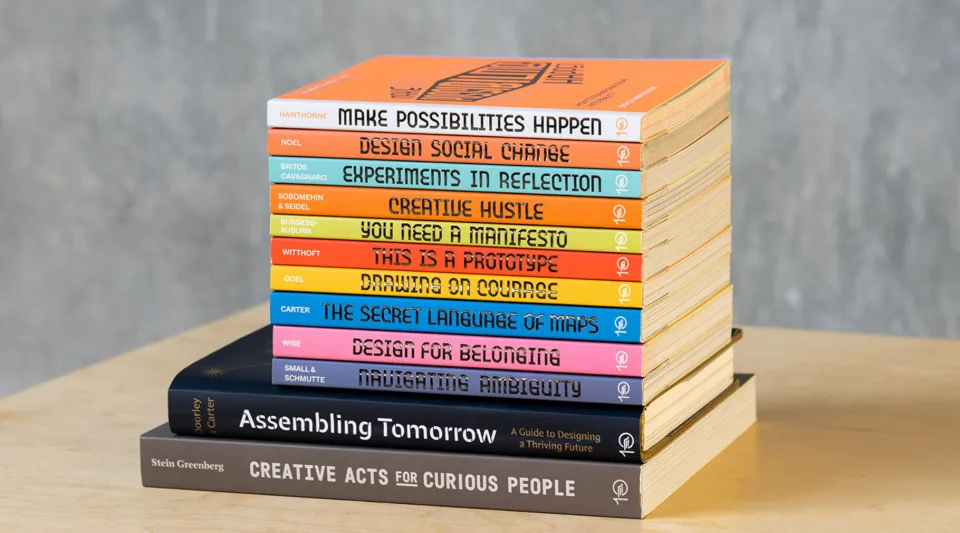
Physical Books vs. E-books vs. Audiobooks: Which Reading Format Reigns Supreme?
In the digital age, the way we consume literature has undergone a seismic shift. For centuries, the printed page was the sole gateway to knowledge and escapism. Today, bibliophiles are faced with a delightful, albeit overwhelming, dilemma: should they stick to the tactile charm of physical books, embrace the convenience of e-readers, or dive into the immersive world of audiobooks? Each format offers a unique experience, and choosing the right one often depends on your lifestyle, reading goals, and personal preferences.
Whether you are an avid reader looking to optimize your library or a casual learner trying to consume more information, understanding the nuances of these three mediums is essential. This comprehensive comparison explores the pros, cons, and best use cases for physical books, e-books, and audiobooks.
Physical Books: The Timeless Classic
For many, nothing compares to the smell of paper, the weight of a hardcover in hand, and the visual satisfaction of a growing bookshelf. Physical books are not just containers for stories; they are objects of art and history.
The Benefits of Print
- Reduced Eye Strain: Unlike digital screens, paper reflects ambient light, making it much gentler on the eyes, especially during long reading sessions before bed.
- Better Information Retention: Studies suggest that the spatial navigation of a physical book—knowing how far you are through the story by the feel of the pages—helps the brain encode information more effectively.
- Focus and Mindfulness: Physical books are "dumb" devices. They don't buzz with notifications, and they don't tempt you to check social media. They provide a sanctuary for deep, undistracted focus.
- The Collectibility Factor: A personal library is a reflection of one's identity. Physical books offer a sense of permanence and aesthetic value that digital files simply cannot replicate.
The Downsides
The primary drawbacks of physical books are portability and space. Carrying a thick fantasy novel in your bag is cumbersome, and for those living in smaller spaces, a large collection can quickly become a storage burden. Additionally, physical books are often more expensive than their digital counterparts.
E-books: The Modern Library in Your Pocket
E-readers like the Kindle, Kobo, or even tablet applications have revolutionized the accessibility of reading. By turning thousands of pages into a lightweight, portable device, e-books have become the preferred choice for commuters and travelers.
The Benefits of Digital Reading
- Portability: You can carry an entire library in your pocket. This is a game-changer for frequent travelers or those who enjoy reading multiple books simultaneously.
- Customization: E-readers allow you to adjust font sizes, styles, and background lighting. This is a massive benefit for readers with visual impairments or those who prefer reading in low-light conditions.
- Instant Gratification: Finished a book at 2 AM? You can download the sequel instantly without waiting for a delivery or a store to open.
- Built-in Tools: Most e-readers come with integrated dictionaries, translation tools, and note-taking features that sync directly to your computer, making them ideal for students and researchers.
The Downsides
E-books lack the "soul" of physical books. There is no tactile connection to the text, and the reliance on batteries means your reading session can be cut short if you forget to charge your device. Furthermore, some readers find that the blue light emitted by tablets (though not e-ink devices) can disrupt sleep patterns.
Audiobooks: The Evolution of Storytelling
Audiobooks are the fastest-growing segment in the publishing industry. They tap into the ancient tradition of oral storytelling, allowing listeners to "read" while multitasking.
The Benefits of Listening
- Productivity: Audiobooks allow you to consume content while doing chores, commuting, or exercising. They turn "dead time" into productive learning or entertainment hours.
- Performance Quality: A great narrator can elevate a book, providing voices, emotional depth, and pacing that a silent reader might miss. For biographies and memoirs, hearing the author read their own work adds an intimate layer of authenticity.
- Accessibility: Audiobooks are a vital resource for people with dyslexia, visual impairments, or those who struggle with traditional reading for focus-related reasons.
The Downsides
The main challenge with audiobooks is the pace; you are at the mercy of the narrator’s speed. It is also more difficult to flip back to a previous page to re-read a complex sentence. Additionally, some readers find that their minds wander more easily when listening compared to when they are visually engaged with text.
Comparison Summary Table
| Feature | Physical Books | E-books | Audiobooks |
|---|---|---|---|
| Portability | Low | High | High |
| Eye Strain | Minimal | Low (with e-ink) | None |
| Multitasking | No | No | Yes |
| Retention | High | Moderate | Moderate |
| Cost | High | Low/Medium | Medium |
How to Choose the Right Format for Your Reading Habits
Choosing between these formats doesn't have to be an "all or nothing" decision. Many successful readers utilize a hybrid approach. To determine what works best for you, consider your specific goals:
For Deep Learning and Academic Study
If you are reading technical manuals, textbooks, or complex philosophy, physical books remain the gold standard. The ability to physically annotate, flip through pages to cross-reference, and avoid digital distractions helps with deep comprehension and memory retention.
For Fiction and Leisure Reading
If your goal is to breeze through a thriller or a light romance novel, e-books offer the best convenience. They are lightweight, perfect for reading in bed, and usually cheaper, allowing you to devour series without breaking the bank.
For Personal Development and Non-Fiction
If you want to consume self-help books, biographies, or business literature, audiobooks are often the most effective. Because these genres are often conversational in tone, they translate well to the audio format, allowing you to absorb life-changing advice while you commute to work or hit the gym.
The Future of Reading: A Hybrid Ecosystem
The debate over which format is "best" is largely academic. The true value lies in the content, not the container. The most well-read individuals are those who are format-agnostic. They might start their morning reading a physical newspaper or book, switch to an e-book during their lunch break, and finish their day listening to an audiobook while winding down for bed.
By understanding the strengths of each medium, you can curate a reading life that fits your schedule rather than forcing your schedule to fit your reading. If you find yourself in a "reading slump," sometimes the solution isn't to stop reading, but to switch formats. Moving from a dense physical book to an engaging audiobook narrated by a professional voice actor might be exactly what you need to reignite your passion for literature.
Final Thoughts on Building Your Collection
Regardless of the format you choose, the habit of reading is the most important investment you can make in yourself. Physical books will always hold a place of honor on our shelves, e-books will continue to provide the convenience we crave in a fast-paced world, and audiobooks will keep us connected to the power of the human voice.
Don't be afraid to experiment. Visit your local library to borrow physical copies, sign up for a digital library service to test out e-books, and try a free audiobook trial. Over time, you will discover a rhythm that makes reading a natural, joyful part of your daily routine. Happy reading!