The Best Fitness Equipment for Your Home Gym: A Comprehensive Guide to Building Your Ultimate Workout Space
Creating a home gym has evolved from a luxury to a necessity for many fitness enthusiasts. Whether you are looking to save time on commuting to a commercial gym, seeking privacy, or simply wanting to ensure your training remains consistent regardless of external circumstances, investing in the right fitness gear is the first step toward long-term health. With the market flooded with options, knowing which tools provide the best return on investment—in terms of durability, versatility, and results—is essential.
In this guide, we explore the best fitness equipment categories to help you build a functional, efficient, and motivating workout space tailored to your specific goals.
Assessing Your Fitness Goals: Where to Begin?
Before purchasing equipment, it is vital to identify your primary fitness objectives. Are you focused on building muscle mass, improving cardiovascular endurance, increasing flexibility, or a combination of all three? Your space and budget will also play significant roles in your selection process.
- Strength Training: Focus on free weights, resistance bands, and functional training tools.
- Cardiovascular Health: Look for equipment that elevates your heart rate, such as rowers, treadmills, or jump ropes.
- Flexibility and Recovery: Prioritize yoga mats, foam rollers, and mobility bands.
The Best Fitness Equipment for Strength Training
Strength training is the cornerstone of metabolic health and functional longevity. You do not need a room full of bulky machines to get a world-class workout. In fact, some of the most effective tools are the most compact.
Adjustable Dumbbells
Adjustable dumbbells are arguably the best investment for a home gym. They replace an entire rack of fixed-weight dumbbells, saving precious square footage. High-quality adjustable sets allow you to change weights in seconds, making them perfect for supersets and circuit training.
Kettlebells
Kettlebells offer a unique way to combine strength and cardio. Because the center of mass is offset, they force your stabilizer muscles to work harder, leading to improved functional strength. A single kettlebell can provide a full-body workout through movements like swings, snatches, and goblet squats.
Resistance Bands
Often overlooked, resistance bands are highly versatile and travel-friendly. They provide constant tension throughout the range of motion, which is excellent for hypertrophy. They are also invaluable for physical therapy, warm-ups, and adding extra resistance to traditional barbell lifts.
Top-Rated Cardiovascular Equipment for Home Use
When you cannot get outside for a run or a hike, home cardio equipment keeps your heart healthy and your endurance high. Here are the top contenders based on space efficiency and calorie-burning potential.
| Equipment Type | Primary Benefit | Space Requirement |
|---|---|---|
| Rowing Machine | Full-body workout, low impact | Moderate (often foldable) |
| Jump Rope | High-intensity cardio, coordination | Minimal |
| Stationary Bike | Joint-friendly, high calorie burn | Small to Moderate |
| Treadmill | Natural movement patterns | Large |
The Case for the Rowing Machine
Rowing machines are frequently cited by fitness experts as the "best bang for your buck" in cardio. They engage approximately 86% of the muscles in your body, providing a seamless blend of strength and aerobic conditioning. Unlike treadmills, which can be harsh on the knees, rowing is a low-impact exercise that is suitable for almost all fitness levels.
Essential Accessories for Recovery and Mobility
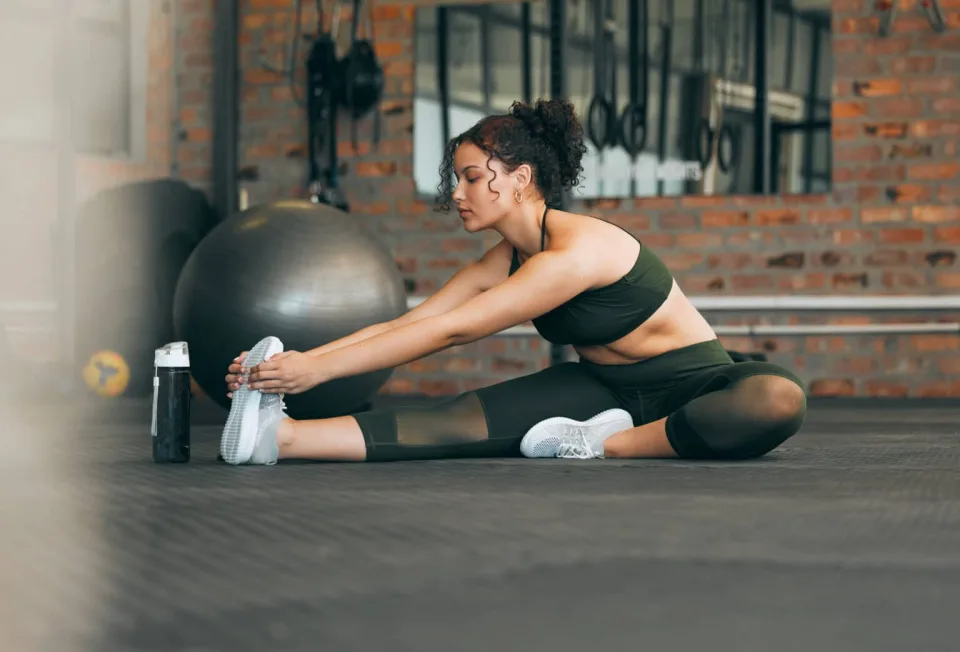
A great fitness routine is only as good as your ability to recover from it. Neglecting mobility leads to injuries and plateaus. To maintain peak performance, your home gym should include a dedicated recovery zone.
High-Density Foam Rollers
Self-myofascial release (SMR) using a foam roller is essential for reducing muscle soreness and improving range of motion. Investing in a high-density roller ensures that it maintains its shape over time, providing the necessary pressure to release tight fascia.
Yoga Mats
A high-quality yoga mat is not just for yoga. It provides a non-slip, cushioned surface for everything from core work to stretching and bodyweight exercises. Look for mats with high-grip textures and sufficient thickness to protect your joints during floor-based movements.
Current Trends in Home Fitness
The fitness industry is constantly evolving. Staying informed about current trends can help you make smarter purchasing decisions.
1. Functional Training Over Isolation
The shift toward functional fitness—exercises that mimic everyday movements—continues to grow. Equipment like sandbags, battle ropes, and suspension trainers are becoming staples in home gyms because they train the body to move as a cohesive unit rather than isolating individual muscles.
2. The Rise of "Smart" Fitness
While traditional iron and steel remain popular, smart technology has entered the home gym space. Digital platforms that offer live coaching and performance tracking can provide the motivation of a personal trainer without the high cost of in-person sessions. If you thrive on competition and data, this might be a worthwhile upgrade.
How to Choose the Best Fitness Gear for Your Budget
You don't need to spend thousands of dollars to get fit. The best approach is to build incrementally. Start with the essentials and add specialized equipment as your fitness level progresses.
- Phase 1: Foundation. Purchase a high-quality mat, a set of resistance bands, and a pair of adjustable dumbbells. This allows for a complete full-body routine.
- Phase 2: Conditioning. Add a piece of cardio equipment that you actually enjoy using—whether it's a jump rope for high intensity or a stationary bike for steady-state training.
- Phase 3: Specialized Tools. Once you have mastered the basics, add items like a pull-up bar, kettlebells, or a weight bench to increase the complexity and intensity of your workouts.
Maintaining Your Equipment for Longevity
Once you have invested in the best fitness products, maintenance is key to protecting your investment. Metal equipment should be wiped down after each use to prevent corrosion from sweat. Fabric items like resistance bands should be stored away from direct sunlight to prevent degradation. Regularly inspecting your gear for wear and tear is a simple safety measure that keeps your home gym a secure environment for training.
Conclusion: Your Fitness Journey Starts Here
Building the "best" home gym isn't about having the most expensive or high-tech equipment; it’s about having the right tools that align with your lifestyle and goals. By focusing on versatile, durable, and effective gear, you can create an environment that fosters consistency. Remember, the most important piece of fitness equipment is your own commitment. Equip your space with the basics, stay consistent with your routine, and watch as your home gym becomes the catalyst for a healthier, stronger version of yourself.
Whether you are a beginner or a seasoned athlete, the key to long-term success is making fitness an accessible, enjoyable part of your daily life. Choose equipment that makes you excited to train, and the results will follow.