The Ultimate Guide to Building Your Home Gym: Choosing the Right Fitness Equipment for Your Goals
Building a home gym is one of the most rewarding investments you can make for your long-term health. Whether you are looking to lose weight, build muscle, or simply improve your cardiovascular endurance, having a dedicated space for fitness eliminates the most common barrier to exercise: the commute to the gym. However, with the vast array of fitness equipment available today, navigating the market can be overwhelming. This guide will help you make informed decisions, ensuring you invest in gear that aligns with your specific fitness goals, space constraints, and budget.
Understanding Your Fitness Goals: Where to Start
Before you spend a single dollar on equipment, you must define what you want to achieve. A person training for a powerlifting competition needs vastly different gear than someone looking to improve mobility or perform high-intensity interval training (HIIT). Ask yourself the following questions:
- What is my primary goal? (Strength training, cardiovascular health, flexibility, or general conditioning?)
- How much space do I have? (A dedicated garage gym, a corner of the living room, or a portable setup?)
- What is my experience level? (Beginner, intermediate, or advanced?)
- What is my budget? (Are you looking for budget-friendly basics or premium, long-lasting machinery?)
The Essential Categories of Fitness Equipment
To build a functional home gym, you don’t need every piece of equipment found in a commercial facility. Instead, focus on versatility. We can categorize fitness equipment into three primary pillars:
1. Cardiovascular Equipment
Cardio equipment is designed to improve heart health, burn calories, and build endurance. When choosing cardio machines, consider the impact on your joints and the footprint of the equipment.
2. Strength Training Equipment
Strength training is essential for bone density, metabolism, and functional movement. This category ranges from free weights to complex cable machines.
3. Recovery and Mobility Tools
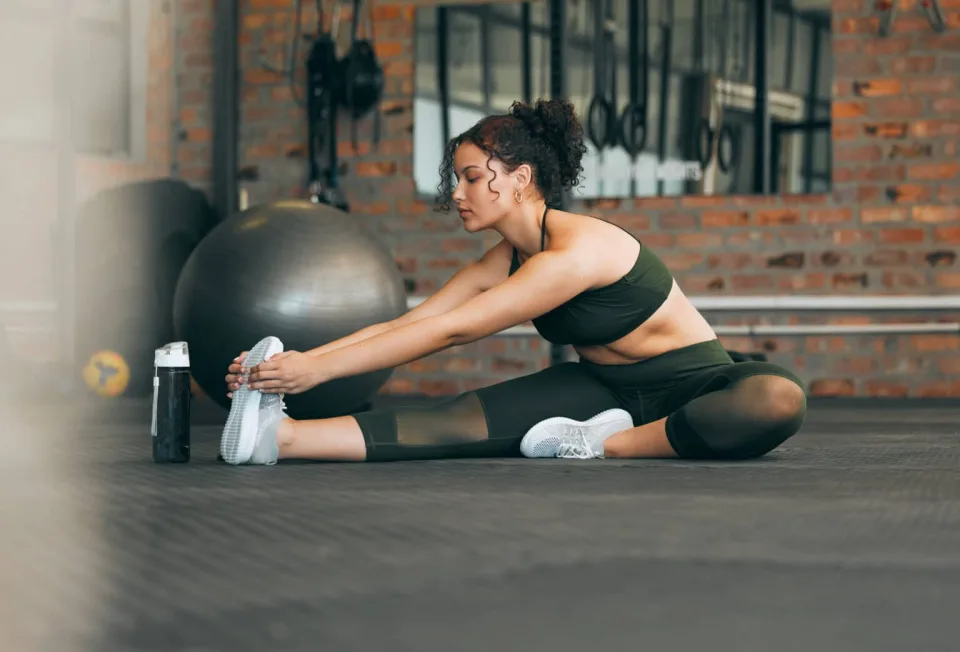
Often overlooked, recovery tools are vital for injury prevention and long-term consistency. These include foam rollers, yoga mats, and resistance bands.
Comparative Analysis: Choosing the Right Gear
The following table provides a quick reference guide to help you decide which equipment fits your specific needs.
| Goal | Recommended Equipment | Space Required | Primary Benefit |
|---|---|---|---|
| Muscle Building | Adjustable Dumbbells, Power Rack | High | Hypertrophy and strength |
| Weight Loss | Kettlebells, Jump Rope | Low | Caloric burn and HIIT |
| Cardiovascular | Stationary Bike, Rowing Machine | Medium | Heart health and stamina |
| Flexibility/Mobility | Yoga Mat, Resistance Bands | Very Low | Injury prevention and range of motion |
Deep Dive: Selecting Strength Training Equipment
Strength training is the backbone of any fitness journey. If you are limited by space, free weights are almost always the superior choice over bulky, single-purpose machines.
Adjustable Dumbbells vs. Fixed Weights
For home gyms, adjustable dumbbells are the gold standard. They allow you to change weights in seconds, saving both space and money. When buying, look for a mechanism that feels secure and allows for quick increments, ideally in 2.5lb or 5lb jumps.
The Power of Resistance Bands
Resistance bands are perhaps the most underrated fitness tool. They are inexpensive, portable, and provide constant tension, which is excellent for muscle activation. They are perfect for beginners who are not yet ready for heavy iron and for advanced lifters looking to add variable resistance to their barbell work.
Navigating Cardio Equipment: What to Look For
When selecting a cardio machine, consider the "noise factor" and "storage factor." If you live in an apartment, a treadmill might be too loud for neighbors, whereas a magnetic resistance rowing machine or a stationary bike is significantly quieter.
- Treadmills: Great for running enthusiasts, but require significant floor space and maintenance.
- Rowing Machines: Provide a full-body workout. Look for water or air resistance for a more natural feel.
- Stationary Bikes: Excellent for low-impact cardio. Spin bikes offer a more intense, athletic feel, while recumbent bikes are better for those with back issues.
Flooring and Safety: The Foundation of Your Gym
Never underestimate the importance of gym flooring. High-density rubber mats protect your subfloor from heavy drops, reduce noise, and provide a non-slip surface for your workouts. If you plan on doing heavy deadlifts, invest in 3/4-inch thick stall mats. For yoga or bodyweight training, a high-quality, non-slip PVC or natural rubber mat is sufficient.
Budgeting Tips for Your Home Gym
You don't need to break the bank to start. Here is a strategy for building your gym over time:
- Phase 1 (The Basics): Start with a set of resistance bands, a high-quality yoga mat, and a pair of adjustable dumbbells. This covers 80% of your training needs.
- Phase 2 (The Upgrade): Add a bench and a pull-up bar. This allows for a much wider range of upper-body exercises.
- Phase 3 (The Investment): Once you have established a consistent routine, invest in larger pieces like a power rack, barbell, or a dedicated cardio machine.
Maintenance and Longevity
To ensure your equipment lasts for years, follow a regular maintenance schedule. Wipe down your equipment after every use to prevent sweat-induced corrosion. For machines with moving parts, check bolts periodically to ensure they are tight. If you have metal plates or barbells, store them in a climate-controlled environment to prevent rust.
Common Mistakes to Avoid When Buying Fitness Gear
Many beginners fall into the trap of "shiny object syndrome," buying expensive equipment that ends up as a laundry rack. Avoid these pitfalls:
- Buying too much, too soon: Don't buy a full set of gym equipment before you’ve established a habit.
- Ignoring quality for price: Cheap, poorly made equipment can be dangerous. It is better to have one high-quality dumbbell than three cheap, rattling ones.
- Overlooking dimensions: Always measure your ceiling height and floor area before purchasing large machines.
Conclusion: Consistency is the Best Equipment
At the end of the day, the most effective piece of fitness equipment is the one you actually use. Whether you choose a simple pair of kettlebells or a high-end treadmill, the key to success lies in your consistency. Focus on building a space that makes you feel excited to work out, prioritize safety, and remember that your fitness journey is a marathon, not a sprint. By selecting equipment that matches your current goals while allowing for future progression, you are setting yourself up for a lifetime of health and vitality.
Start small, stay consistent, and watch how your home gym transforms not just your body, but your relationship with movement itself.