The Ultimate Guide to Choosing Home Accessories: Elevating Your Living Space
Your home is more than just a place to live; it is a reflection of your personality, your tastes, and your lifestyle. While furniture provides the foundation of your interior design, it is the home accessories that truly bring a room to life. From the subtle glow of a well-placed lamp to the texture of a curated throw blanket, these finishing touches turn a house into a home. However, navigating the world of home decor can be overwhelming. With countless styles, materials, and trends to choose from, how do you select pieces that are both functional and aesthetically pleasing?
This comprehensive guide will walk you through the essential principles of selecting home accessories, helping you curate a space that feels cohesive, comfortable, and uniquely yours.
Understanding the Role of Home Accessories
Before you start shopping, it is important to understand what home accessories actually do for a room. Accessories serve three primary purposes: adding personality, providing functionality, and creating visual interest. They are the "jewelry" of your interior design scheme.
- Personality: Accessories like framed art, travel souvenirs, or family photos tell the story of who lives in the home.
- Functionality: Items such as decorative trays, storage baskets, and mirrors serve a purpose while enhancing the aesthetic.
- Visual Interest: Textures, colors, and shapes provided by accessories break up the monotony of large furniture pieces and add depth to a space.
Key Principles for Selecting Home Accessories
To avoid a cluttered or mismatched look, follow these professional design principles when shopping for home accessories.
1. The Rule of Three
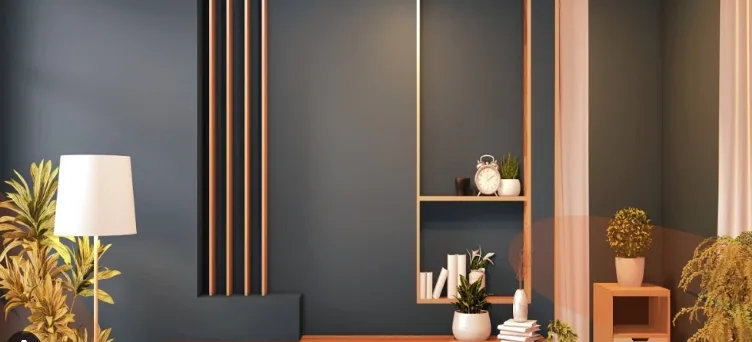
When arranging accessories on a mantel, coffee table, or bookshelf, grouping items in odd numbers—specifically three—is a classic design trick. The human eye tends to find odd-numbered groupings more visually appealing and balanced. Try varying the heights, shapes, and textures within your group of three to create a dynamic display.
2. Balance and Scale
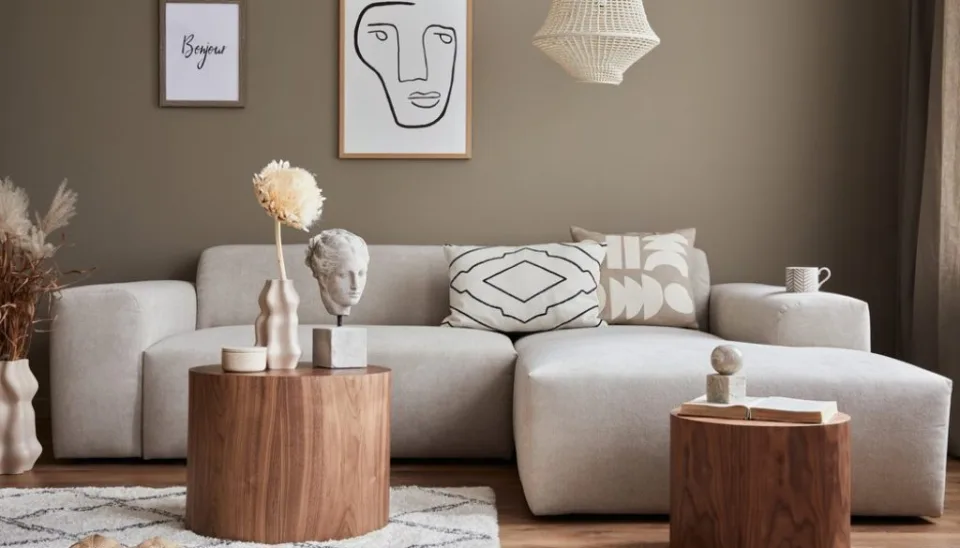
Scale is perhaps the most important factor in interior design. A tiny picture frame on a massive empty wall will look lost, while a giant floor vase in a cramped hallway will make the space feel cluttered. Always consider the size of your furniture when choosing accessories. If you have a large sofa, your throw pillows should be substantial enough to complement it, not disappear into it.
3. Cohesion Through Color and Texture
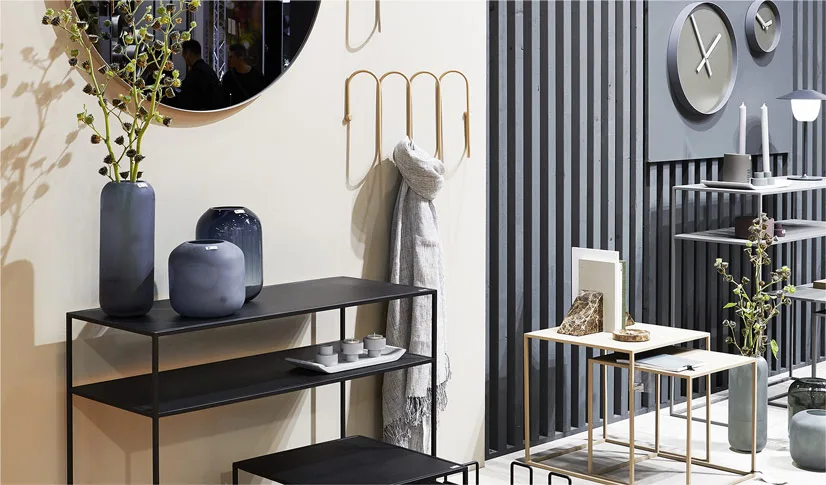
You don't need every item to match perfectly, but they should "talk" to each other. Choose a color palette—perhaps a neutral base with one or two accent colors—and carry those tones throughout your accessories. Furthermore, prioritize texture. A room filled only with smooth surfaces will feel cold; mixing in wool throws, woven baskets, or metallic finishes adds warmth and sophistication.
A Strategic Buying Guide by Category
To make your shopping experience more manageable, we have categorized essential home accessories and provided tips for selecting the best items in each group.
| Category | Purpose | Buying Tip |
|---|---|---|
| Textiles (Throws/Pillows) | Comfort & Warmth | Mix patterns with solids; prioritize natural fibers like linen or wool. |
| Lighting | Ambiance & Task | Layer your lighting; don't rely solely on overhead fixtures. |
| Wall Decor | Personality & Focal Point | Hang art at eye level; consider the frame finish. |
| Greenery | Life & Freshness | Choose plants based on the actual light levels in your home. |
| Storage Accessories | Organization | Look for materials that hide clutter while looking decorative. |
How to Choose Textiles: The Comfort Factor
Textiles are the easiest way to refresh a room without a major renovation. When shopping for throw pillows and blankets, consider the "seasonal switch." Use lighter, breathable fabrics like cotton and linen during the spring and summer, and transition to heavier, cozy materials like velvet, faux fur, or chunky knits in the autumn and winter.
Pro Tip: Don't be afraid to mix patterns. A good rule of thumb is to combine a large-scale pattern (like a bold floral or geometric print) with a smaller-scale pattern (like a stripe or polka dot) and a solid color to ground the look.
Lighting: The Secret Ingredient
Lighting is often the most overlooked category of home accessories. A single overhead light can make a room feel like a hospital waiting room. Instead, aim for "layered lighting." This involves using a combination of:
- Ambient Lighting: Your main overhead source.
- Task Lighting: Desk lamps or reading lights.
- Accent Lighting: Table lamps, floor lamps, or wall sconces that highlight specific areas and create a warm, inviting glow.
When shopping for lamps, look for pieces that act as sculptures even when they are turned off. The base material—whether ceramic, brass, or glass—should contribute to the overall style of the room.
Wall Decor: Making a Statement
Walls are your largest canvas. When choosing art or mirrors, consider the emotional impact you want to create. Mirrors are excellent for small or dark rooms because they reflect light and create the illusion of more space. When buying art, prioritize pieces that you genuinely love rather than just buying what is "on trend." A gallery wall of personal photos or prints can be a powerful way to make a space feel like home.
Incorporating Nature: Plants and Florals
No room is truly finished without a touch of nature. Indoor plants improve air quality and add a vibrant, organic element to your decor. If you don't have a "green thumb," consider high-quality artificial plants or dried botanicals like pampas grass or eucalyptus, which require zero maintenance but provide excellent texture.
Common Mistakes to Avoid
Even with the best intentions, it is easy to fall into common decor traps. Here is how to avoid them:
1. Over-accessorizing
The "more is more" approach often leads to clutter. If every surface in your home is covered in trinkets, the eye has nowhere to rest. Leave some surfaces empty to create "negative space," which allows your favorite accessories to stand out.
2. Ignoring Functionality
Never buy an accessory just because it looks good. If you buy a beautiful decorative bowl for your entryway, make sure it actually functions as a place to drop your keys. If an item doesn't serve a purpose or bring you joy, it’s likely just clutter in the making.
3. Buying Everything at Once
The best homes are curated over time. When you buy everything from a single collection or a single store at once, your home can end up looking like a showroom rather than a lived-in space. Take your time to find pieces that resonate with you, even if it means waiting a few months to find the perfect item.
Sustainable and Ethical Shopping
As you build your collection of home accessories, consider the impact of your purchases. Look for items made from sustainable materials like bamboo, reclaimed wood, recycled glass, or organic cotton. Supporting artisans and local makers not only ensures you are getting a unique piece but also reduces the carbon footprint associated with mass-produced goods.
Conclusion: Curating Your Personal Sanctuary
Selecting home accessories is an evolving process. Your tastes may change, and your home should be able to adapt with you. By focusing on quality over quantity, understanding the balance of scale and color, and prioritizing items that hold personal meaning, you can create a home that is both beautiful and functional.
Remember, there are no "rules" that cannot be broken if the result feels right to you. Use this guide as a foundation, but trust your instincts. After all, the most important accessory in any home is the comfort and happiness of the people who live there.