The Ultimate Guide to Choosing Home Accessories: Elevating Your Living Space
Your home is more than just a place to live; it is a reflection of your personality, your tastes, and your lifestyle. While furniture provides the foundation of a room, it is the home accessories that truly breathe life into the space. From lighting and textiles to wall art and decorative objects, the right accessories can transform a sterile room into a warm, inviting sanctuary.
However, navigating the world of home decor can be overwhelming. With endless styles, materials, and trends, how do you choose pieces that are both functional and aesthetically pleasing? This comprehensive guide will walk you through everything you need to know to curate a home that feels intentionally designed and uniquely yours.
Understanding the Role of Home Accessories
Home accessories are the "jewelry" of a room. They are the finishing touches that tie together disparate elements and create a cohesive narrative. Before you start shopping, it is essential to understand that accessories serve two primary purposes: aesthetic appeal and functional utility.
- Aesthetic Accessories: These are pieces chosen primarily for their visual impact, such as sculptures, wall art, or decorative vases. They add texture, color, and character to a room.
- Functional Accessories: These items serve a purpose while also contributing to the decor. Examples include throw blankets, storage baskets, lamps, and mirrors.
The secret to a well-styled home lies in finding the perfect balance between these two categories. A room filled only with aesthetic items may feel like a museum, while a room filled only with functional items may lack personality.
Step-by-Step Guide to Curating Your Home Decor
Curating your home is a journey, not a sprint. Follow these steps to ensure you make thoughtful purchases that stand the test of time.
1. Define Your Personal Style
Before buying a single item, identify your design aesthetic. Are you drawn to the minimalism of Scandinavian design, the warmth of Bohemian decor, or the clean lines of Mid-Century Modern? Creating a mood board using platforms like Pinterest can help you visualize the "vibe" you want to achieve. Stick to a consistent theme to ensure your accessories feel like they belong together.
2. Analyze Your Space
Take a look at your room. What is the focal point? Do you have empty walls that need art, or a sofa that feels incomplete without a throw? Assess the scale of your furniture—large furniture pieces require substantial accessories to maintain balance, while smaller pieces need delicate accents to avoid being overwhelmed.
3. Master the Rule of Three
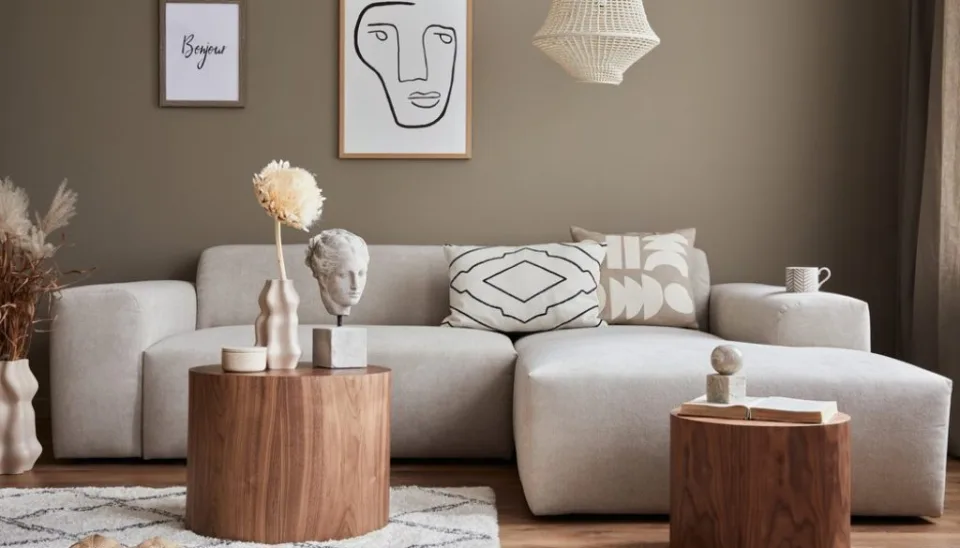
In interior design, the "rule of three" is a classic principle. When grouping accessories, odd numbers—especially three—are more visually appealing to the human eye. This creates a sense of balance and interest without looking too symmetrical or staged. Whether it is three candles of varying heights on a coffee table or three frames on a gallery wall, this technique works wonders.
Essential Home Accessories Checklist
If you are starting from scratch or looking to refresh your home, this table provides a roadmap of essential categories to consider for each room.
| Category | Purpose | Pro-Tip |
|---|---|---|
| Textiles | Adds warmth, comfort, and color. | Mix and match textures (e.g., velvet, linen, wool) for depth. |
| Lighting | Sets the mood and improves functionality. | Layer your lighting with table lamps, floor lamps, and ambient light. |
| Wall Decor | Defines the room's personality. | Hang art at eye level for the best visual impact. |
| Greenery | Brings life and organic shapes indoors. | Choose low-maintenance plants if you are a beginner. |
| Storage | Reduces clutter and adds style. | Use woven baskets or decorative boxes to hide everyday items. |
Tips for Choosing Quality Over Quantity
One of the biggest mistakes in home decor is over-cluttering. A home filled with too many small, low-quality trinkets often looks messy rather than curated. Here is how to shop smarter:
Focus on Texture and Material
Natural materials like wood, stone, metal, and high-quality fabrics (cotton, linen, wool) add a tactile quality to your home that synthetic materials cannot replicate. When selecting accessories, prioritize pieces that feel good to the touch and are built to last.
Think About Versatility
Invest in accessories that can move between rooms. A beautiful ceramic tray can serve as a centerpiece on a dining table, a catch-all in an entryway, or a perfume organizer on a vanity. Versatile pieces offer better value and allow you to refresh your space by simply moving items around.
The Power of Lighting
Never underestimate the impact of lighting. While a lamp is a functional item, its base and shade are significant design elements. A sculptural table lamp can serve as a piece of art even when it is turned off. Always opt for warm-toned bulbs to ensure your home feels cozy and inviting during the evening hours.
Current Trends in Home Accessories
While trends come and go, some styles have staying power. Currently, the design world is leaning toward:
- Biophilic Design: Bringing the outdoors in through natural stone, raw wood, and an abundance of indoor plants.
- Sustainable Decor: A growing preference for handmade items, artisanal crafts, and materials that are ethically sourced.
- Warm Minimalism: Moving away from cold, stark whites toward earthy tones like terracotta, sage green, and soft creams.
Avoiding Common Decor Mistakes
Even seasoned designers make mistakes. Keep these pitfalls in mind to ensure your space remains balanced:
- Ignoring Scale: Placing a tiny vase on a massive dining table makes the room feel unbalanced. Always consider the proportions of your furniture.
- Matching Everything: Don't buy "sets" of accessories. Your home should look curated over time, not like a showroom display. Mixing styles, eras, and materials creates a much more sophisticated look.
- Forgetting About Negative Space: Not every surface needs to be covered. Negative space (empty areas) allows the eye to rest and makes the accessories you do have stand out more.
How to Maintain Your Home Accessories
Once you have curated your space, maintenance is key to keeping it looking fresh. Dusting regularly is the most important step for preserving the life of your decor. For textiles, rotate your throw pillows and blankets seasonally to prevent wear and tear. If you have metallic accessories, use appropriate cleaners to prevent tarnishing. Finally, don't be afraid to edit your collection—if a piece no longer sparks joy or fits your style, it’s okay to store it away or pass it on.
Final Thoughts: Creating a Home That Tells Your Story
Choosing home accessories is an deeply personal process. There is no "right" way to decorate your space; the goal is to create an environment where you feel comfortable, inspired, and at peace. By focusing on quality, texture, and the balance of functional and aesthetic pieces, you can curate a home that is not only beautiful but also truly reflective of who you are.
Start small, be patient, and enjoy the process of transforming your living space. Whether it’s a new set of linen cushions or a vintage mirror found at a local market, each accessory you add contributes to the story of your home. Happy decorating!