The Ultimate Guide to Choosing the Best Electronics for Your Smart Home and Lifestyle
In an era defined by rapid technological advancement, navigating the world of electronics can feel like a daunting task. Whether you are looking to upgrade your home office, enhance your entertainment setup, or invest in productivity tools, the market is saturated with options. Choosing the right device isn't just about picking the latest model; it is about finding the best electronics that align with your specific needs, budget, and long-term utility.
This comprehensive guide explores the essential categories of consumer electronics, offering expert tips on how to identify quality, evaluate features, and make informed purchasing decisions that stand the test of time.
Understanding the Core Categories of Consumer Electronics
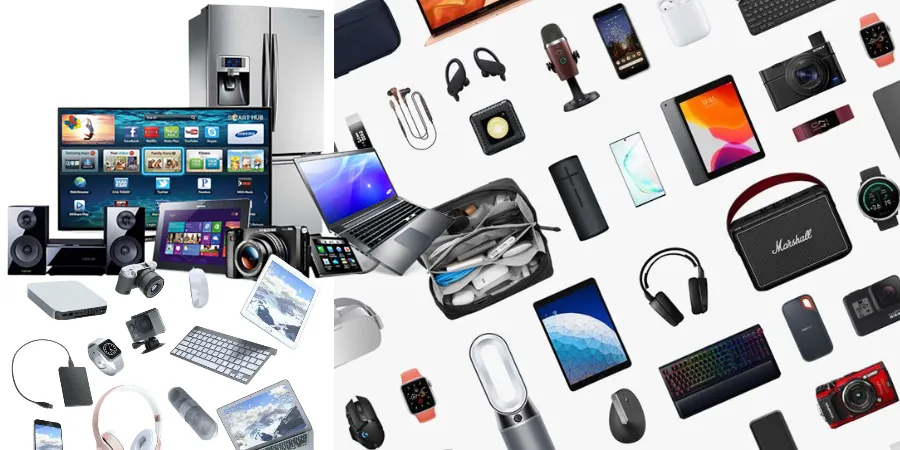
To make the best choices, it is helpful to categorize your needs. Consumer electronics generally fall into four primary buckets: Computing, Home Entertainment, Smart Home Integration, and Wearable Technology. Understanding these categories helps in prioritizing your investment.
1. Computing and Productivity
Whether you are a student, a creative professional, or a remote worker, your computing setup is the backbone of your daily output. When selecting the best laptops, tablets, or peripherals, prioritize processor efficiency, RAM capacity, and display quality over mere aesthetic appeal.
2. Home Entertainment
The modern living room has evolved into a multimedia hub. From 4K OLED televisions to high-fidelity soundbars and streaming devices, the goal is to create an immersive experience. The "best" equipment in this category often hinges on the balance between resolution, color accuracy, and audio spatiality.
3. Smart Home Ecosystems
Smart home electronics—ranging from lighting and thermostats to security cameras—are designed to simplify life. The key here is interoperability. Before purchasing, ensure that your devices support universal protocols like Matter or work seamlessly with your preferred voice assistant.
Comparison Table: Key Features to Look For
| Product Category | Key Performance Metric | What to Prioritize |
|---|---|---|
| Laptops | Processing Speed (CPU) | Battery life and port versatility |
| Smart TVs | Panel Technology (OLED/QLED) | Refresh rate and HDR support |
| Audio Gear | Frequency Response | Comfort and connectivity options |
| Smart Home Hubs | Protocol Compatibility | Security features and latency |
How to Identify the Best Electronics: A Buyer’s Checklist
Marketing jargon can often mask mediocre products. To find the best electronics, you must look past the flashy slogans and focus on objective criteria. Follow this checklist before clicking "checkout":
- Check Long-Term Support: Does the manufacturer provide regular firmware updates? Security patches are vital for smart devices.
- Evaluate Repairability: Can the battery be replaced? Are spare parts easily accessible? Devices that are repairable often have a longer lifespan.
- Analyze Real-World Reviews: Look for reviews that mention long-term usage (after 6+ months) rather than just "unboxing" impressions.
- Verify Ecosystem Compatibility: Ensure the device plays well with the tech you already own. Fragmentation can lead to a frustrating user experience.
- Assess Energy Efficiency: High-performance electronics can impact your utility bills. Look for Energy Star ratings or power-saving modes.
Current Trends Shaping the Electronics Market
The electronics industry is currently undergoing a massive shift. Staying ahead of these trends can help you purchase devices that won't become obsolete within a year.
The Rise of AI-Integrated Hardware
Artificial Intelligence is no longer just software; it is being baked into the silicon. From AI-enhanced image processing in cameras to predictive battery management in laptops, AI is making devices more intuitive. When shopping, look for hardware that mentions "NPU" (Neural Processing Unit) capabilities.
Sustainability and Circular Economy
Consumers are increasingly demanding eco-friendly electronics. The best products today are often made from recycled plastics, utilize conflict-free minerals, and are shipped in plastic-free packaging. Choosing brands with strong sustainability commitments is a trend that benefits both the planet and the quality of the product.
Wireless Connectivity Evolution
With the widespread adoption of Wi-Fi 6E and 7, along with Bluetooth 5.3, connectivity has never been faster or more stable. When buying routers, headphones, or smart home sensors, ensure they support the latest standards to future-proof your setup.
Tips for Maximizing the Lifespan of Your Electronics
Once you have invested in the best electronics, maintaining them is crucial. Proper care can extend the life of your devices by years, providing better value for your money.
- Proper Charging Habits: Avoid letting lithium-ion batteries drop to 0% or stay at 100% for extended periods. Keeping them between 20% and 80% is the "sweet spot" for longevity.
- Temperature Control: Electronics are sensitive to heat. Keep your devices in well-ventilated areas and avoid leaving them in hot cars or direct sunlight.
- Routine Cleaning: Dust buildup can cause fans to work harder, leading to overheating. Use compressed air to clean vents and ports regularly.
- Software Hygiene: Regularly clear cache files, uninstall unused applications, and keep your operating system updated to ensure optimal performance.
Navigating Sales and Seasonal Discounts
The electronics market is highly cyclical. Knowing when to buy can save you significant amounts of money. While "Black Friday" and "Cyber Monday" are traditional peaks, many retailers offer mid-year sales that are equally beneficial.
Avoid the "early adopter trap" if you are budget-conscious. Products often see a significant price drop 3 to 6 months after their initial launch. If you don't need the absolute latest feature, waiting for the "Version 1.1" or a price correction is often the smartest financial move.
The Future of Consumer Electronics: What to Expect
As we look toward the future, the integration of electronics into our daily lives will become even more seamless. We are moving toward a world of "Ambient Computing," where technology operates in the background, responding to our needs without explicit commands. Innovations in battery density, flexible displays, and low-power sensors are set to revolutionize how we interact with the world.
By focusing on quality, compatibility, and sustainable practices, you can build a collection of electronics that enhances your life rather than cluttering it. Remember, the best electronics are not necessarily the ones with the most features, but the ones that solve your specific problems most reliably and efficiently.
Conclusion
Selecting the best electronics is a journey of balancing performance, price, and personal requirements. By conducting thorough research, understanding the technical specifications that matter, and keeping up with industry trends, you can make purchases that provide long-term value. Whether you are upgrading your home entertainment system or outfitting a modern office, prioritize reliability and ecosystem integration to ensure your technology serves you well for years to come.
Keep these principles in mind, and you will find that the process of upgrading your technology becomes less about the stress of choice and more about the excitement of enhancing your digital lifestyle.