The Ultimate Guide to Choosing the Best Electronics for Your Smart Home and Lifestyle
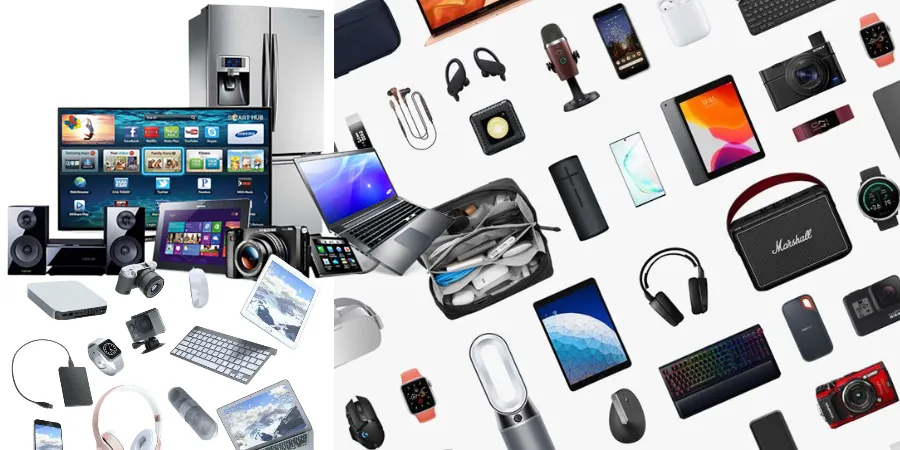
In an era defined by rapid technological advancement, navigating the world of consumer electronics can be overwhelming. From smart home ecosystems that automate your daily chores to high-performance computing devices that drive your productivity, the market is flooded with options. Choosing the right electronics is no longer just about picking the most expensive model; it is about finding the perfect balance between functionality, longevity, and seamless integration into your life.
This guide explores the best categories of electronics that define the modern landscape, providing you with actionable tips to make informed purchasing decisions without falling for marketing hype.
Understanding the Modern Electronics Ecosystem
Before investing in new gadgets, it is essential to understand how modern electronics communicate. The "Smart Home" trend has shifted from a luxury to a standard, with devices now relying on connectivity protocols like Matter, Zigbee, and Wi-Fi 6E. When selecting the best electronics, prioritize devices that offer interoperability. A gadget that works in a silo is often a poor long-term investment compared to one that integrates with your existing smartphone or voice assistant.
Essential Categories for a Tech-Forward Lifestyle
1. High-Performance Computing and Productivity
Whether you are a creative professional, a student, or a remote worker, your computing setup is the foundation of your productivity. When looking for the best laptops or tablets, focus on three pillars: processing power, battery efficiency, and display quality. Avoid "future-proofing" by buying the most expensive model available; instead, look for devices with upgradeable RAM or storage, or those that meet your specific workload requirements for the next three to five years.
2. Smart Home Automation and Security
Smart home electronics are designed to save time and increase safety. The best devices in this category are those that solve a specific problem. For instance, a smart thermostat should learn your schedule to reduce energy bills, while a smart security camera should offer encrypted local storage options to protect your privacy.
3. Home Entertainment and Audio
The golden age of home entertainment has brought cinema-quality visuals and studio-grade sound into our living rooms. When shopping for televisions and sound systems, resolution is only half the story. Pay close attention to refresh rates, HDR (High Dynamic Range) capabilities, and connectivity ports (such as HDMI 2.1) to ensure your device is compatible with the latest gaming consoles and streaming hardware.
Comparison Table: Key Specifications to Look For
| Category | Primary Feature | What to Look For | Red Flag |
|---|---|---|---|
| Laptops | Processing Power | Latest Gen CPU, 16GB+ RAM | Proprietary charging ports |
| Smart TVs | Display Quality | OLED/Mini-LED, 120Hz Refresh | Limited app store support |
| Smart Speakers | Connectivity | Matter support, Bluetooth 5.0 | Lack of privacy/mute switch |
| Home Security | Reliability | Local storage, 2FA enabled | Required monthly cloud fees |
Tips for Buying Electronics Like a Pro
Buying electronics is an investment. To ensure you get the best value, follow these professional tips:
- Check the Lifecycle: Electronics usually follow an annual release cycle. If you are looking at a smartphone or laptop, check if a new model is launching within the next two months. Buying right before a refresh often means you miss out on price drops or significant hardware upgrades.
- Prioritize Repairability: In recent years, the "Right to Repair" movement has gained momentum. Research whether the product you are buying allows for battery replacements or easy access to internal components. Devices that are difficult to repair often become e-waste prematurely.
- Read Beyond the Marketing Specs: Manufacturers often highlight "peak" numbers that are rarely achieved in real-world usage. Look for independent reviews that test battery life under heavy loads or real-world signal strength for routers and smart home hubs.
- Consider Refurbished Options: Many of the best electronics can be purchased in "Certified Refurbished" condition. These devices undergo rigorous testing and often come with a warranty, allowing you to save 20-30% compared to brand-new units.
The Future of Electronics: Trends to Watch
The next decade of electronics will be defined by Artificial Intelligence (AI) and sustainability. We are moving toward "Ambient Computing," where electronics become less intrusive and more intuitive. Devices will increasingly process data locally (on-device) rather than relying on the cloud, which significantly enhances privacy and speed.
Sustainable Tech and Energy Efficiency
As consumers become more environmentally conscious, the demand for energy-efficient electronics is surging. Look for devices with Energy Star ratings or those made from recycled materials. The best products of the future will be those that minimize power consumption during standby modes—a major hidden drain on household electricity bills.
AI Integration in Daily Gadgets
AI is no longer just for high-end servers. It is being integrated into household appliances, cameras, and even audio equipment to optimize performance in real-time. For example, modern noise-canceling headphones now use AI to distinguish between human voices and background hums, providing a vastly superior listening experience compared to older models.
How to Maintain Your Electronics for Longevity
Even the best electronics will degrade if not properly maintained. Follow these simple practices to extend the lifespan of your gadgets:
- Battery Health: Avoid keeping your devices charged at 100% for extended periods. Most modern operating systems include "Optimized Charging" features—ensure these are enabled to prevent battery degradation.
- Dust Management: Dust is the silent killer of high-performance electronics. Regularly clean the vents of your laptops, gaming consoles, and desktop PCs to prevent overheating, which can throttle performance and shorten hardware lifespan.
- Software Updates: Never ignore firmware updates. These are not just for new features; they frequently contain critical security patches that protect your hardware from vulnerabilities.
- Surge Protection: Always use high-quality surge protectors for expensive home electronics. A single power spike during a storm can destroy thousands of dollars worth of equipment in milliseconds.
Conclusion: Making Informed Choices
Selecting the best electronics is a process of matching hardware capabilities with your personal needs. By focusing on interoperability, repairability, and genuine utility rather than just the latest buzzwords, you can build a technology stack that serves you well for years. Remember, the best gadget is not necessarily the one with the most features, but the one that seamlessly integrates into your life, making your tasks easier and your downtime more enjoyable.
Stay curious, research thoroughly, and always consider the long-term value of your purchases. As technology continues to evolve, staying informed will ensure you remain ahead of the curve, equipped with the tools you need to thrive in a digital world.