The Ultimate Guide to Choosing the Best Event Planners and Essential Tools for Success
Planning an event is a complex undertaking that requires meticulous attention to detail, creative vision, and exceptional organizational skills. Whether you are orchestrating an intimate corporate retreat, a grand wedding, or a large-scale industry conference, the success of your gathering often hinges on the expertise behind the scenes. In this comprehensive guide, we explore the best practices for hiring event planners and the essential tools that define top-tier event management in today’s fast-paced environment.
Understanding the Role of Professional Event Planners
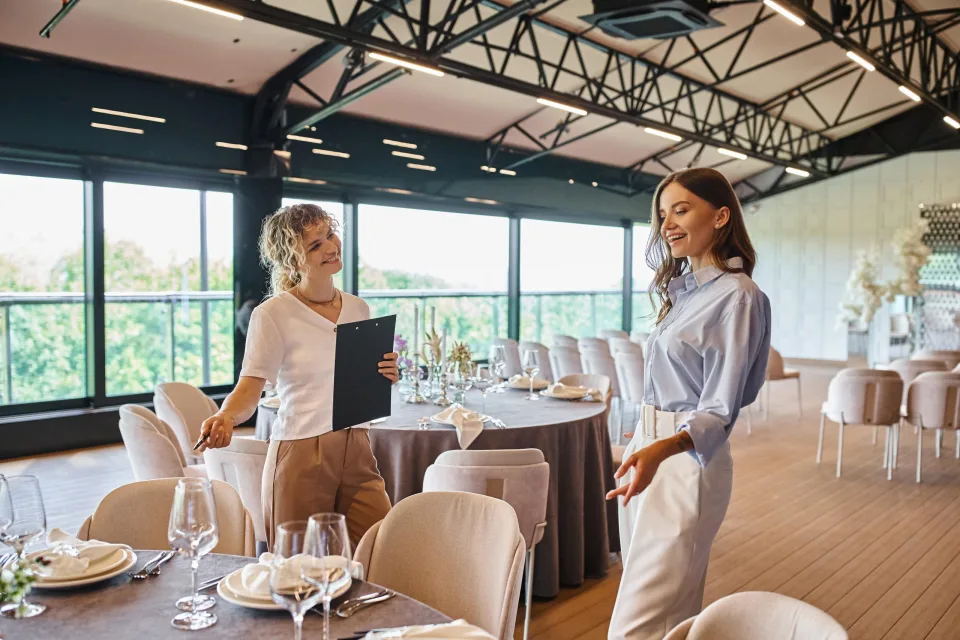
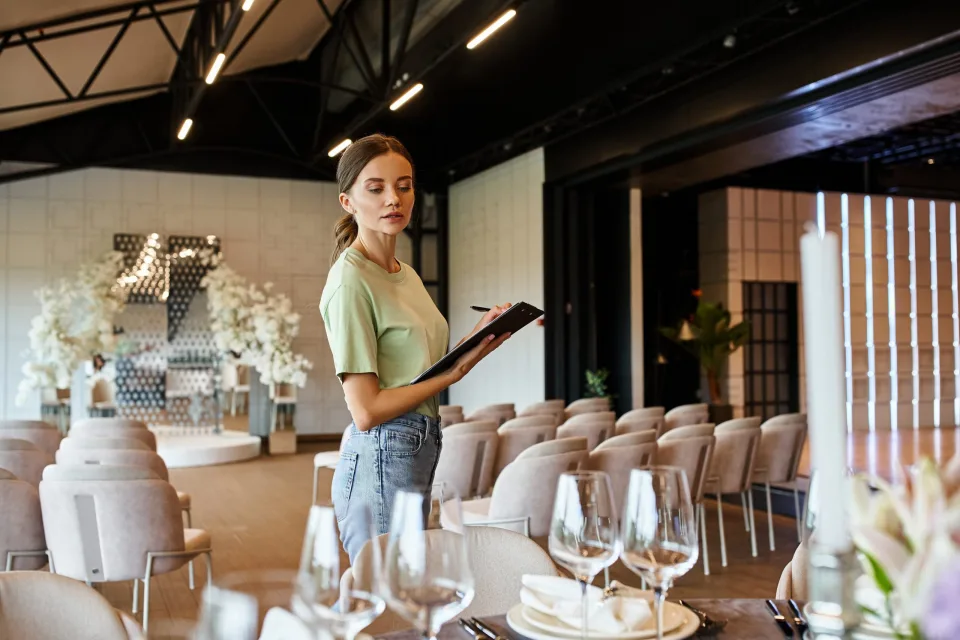
The term "Event Planner" encompasses a wide range of professionals, from independent consultants to full-service agencies. Their primary role is to transform a concept into a seamless reality. When you are looking for the best event planners, you are not just paying for logistics; you are investing in risk management, vendor negotiation, and stress reduction.
Top-tier planners bring value through:
- Strategic Budget Management: Experienced planners know how to allocate funds effectively to maximize impact without overspending.
- Vendor Networks: They possess a vetted list of high-quality caterers, AV technicians, and decorators, ensuring reliability.
- Crisis Mitigation: From sudden weather changes to technical failures, a professional planner has a "Plan B" ready before a problem even arises.
- Design and Aesthetic Direction: They ensure that the visual elements of the event align perfectly with your brand identity or personal vision.
Key Categories of Event Planners
Not all event planners specialize in the same areas. Identifying the right type of planner for your specific needs is the first step toward a successful event. Below is a breakdown of the most common categories:
| Category | Best For | Core Competencies |
|---|---|---|
| Corporate Event Planners | Conferences, trade shows, product launches | Logistics, ROI analysis, professional networking |
| Social/Wedding Planners | Weddings, anniversaries, private galas | Design, guest experience, emotional support |
| Destination Event Planners | International retreats, destination weddings | Travel logistics, local legal requirements, cultural nuances |
| Experiential Agencies | Brand activations, pop-up shops | Creative storytelling, social media engagement, viral potential |
Top Trends Shaping the Event Planning Industry
To hire the best event planners, you must look for those who are staying ahead of industry trends. The landscape of event management is shifting rapidly toward sustainability and technological integration.
1. Sustainability and Eco-Conscious Planning
Modern attendees are increasingly concerned about the environmental footprint of events. The best planners now prioritize zero-waste catering, digital invitations to reduce paper use, and venues that utilize renewable energy. If your planner isn't discussing carbon offsetting or sustainable sourcing, they may be behind the times.
2. Hybrid Event Integration
The post-pandemic world has cemented the hybrid event as a standard. Top planners are experts at bridging the gap between in-person attendees and virtual participants, ensuring that both groups receive a high-quality experience through interactive streaming platforms and remote networking tools.
3. Hyper-Personalization
Gone are the days of "one size fits all" event experiences. Today, data-driven planning allows organizers to tailor agendas, catering options, and even room setups to the specific preferences of individual attendees. Look for planners who leverage CRM tools to create bespoke experiences.
Essential Products and Tools Used by Top Event Planners
Beyond human talent, the best event planners rely on a suite of high-performance tools to keep projects on track. If you are planning an event yourself, or evaluating a planner’s tech stack, look for these categories of products:
Event Management Software (EMS)
Centralizing communication is vital. Tools that handle registration, ticketing, and attendee communication are non-negotiable. Look for platforms that offer real-time analytics, allowing you to track attendance and engagement metrics during the event.
Project Management and Collaboration Tools
Event planning is essentially project management. Top professionals utilize robust task-tracking software to ensure that every milestone—from securing permits to finalizing the menu—is met on schedule. This transparency ensures that the client is never left in the dark regarding the progress of their event.
On-Site Communication Hardware
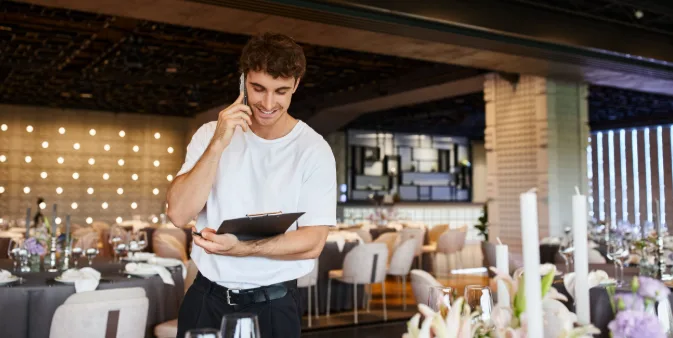
Reliable communication is the backbone of live event execution. High-quality radio systems, cloud-based messaging apps, and real-time document sharing are essential for keeping the production team, catering staff, and security in sync.
How to Evaluate and Hire the Best Event Planners
Selecting the right partner is an investment in the success of your event. Here is a step-by-step approach to vetting potential candidates:
- Review Their Portfolio: Look for diversity in their work. Have they managed events of your size and complexity before?
- Request Client Testimonials: Don't just rely on website reviews. Ask for references from past clients who had similar budgets and objectives.
- Assess Their Communication Style: Does the planner listen more than they talk? A great planner should be an active listener who seeks to understand your vision before imposing their own.
- Check Their Crisis Management History: Ask them to describe a time when something went wrong during an event and how they handled it. Their answer will reveal their true capability under pressure.
The Future of Event Planning: AI and Automation
As we look toward the future, artificial intelligence is becoming a cornerstone of the best event planning services. AI-driven tools are now being used to predict attendee behavior, optimize seating charts, and automate repetitive tasks like email marketing and scheduling.
By automating the mundane aspects of planning, human planners can dedicate more time to the creative and strategic elements of your event. When interviewing potential planners, ask how they are incorporating AI into their workflow to improve efficiency and attendee satisfaction.
Conclusion: Investing in Excellence
The difference between a "good" event and a "transformative" one is the quality of the planning. Whether you are hiring an external agency or equipping an internal team, the focus should always be on strategic alignment, technological integration, and the ability to adapt to changing circumstances.
By understanding the different categories of event planners, staying informed about industry trends, and utilizing the right digital tools, you can ensure that your next event is not only successful but memorable. Remember, the best event planners are those who treat your goals as their own, working tirelessly to turn your vision into a reality that exceeds all expectations.
When you are ready to start your search, prioritize those who demonstrate a clear understanding of your specific industry and who possess the technical proficiency to manage the complexities of modern event execution. Your investment in professional planning today will pay dividends in attendee engagement, brand reputation, and overall event ROI tomorrow.