The Ultimate Guide to Choosing the Perfect Shoes: Style, Comfort, and Functionality
Finding the perfect pair of shoes is more than just a matter of fashion; it is an investment in your health, posture, and daily comfort. Whether you are navigating a demanding workday, hitting the gym, or attending a formal event, the right footwear serves as the foundation of your entire outfit. However, with thousands of styles, materials, and technologies available, selecting the right pair can feel overwhelming.
This comprehensive guide will walk you through the essential factors to consider when buying shoes, helping you make informed decisions that balance aesthetics with ergonomic support.
Understanding Your Foot Type: The Foundation of Comfort
Before diving into trends or brands, you must understand your own anatomy. Not every shoe is designed for every foot. Knowing your arch type and pronation pattern is the first step toward pain-free walking.
Arch Types and Their Impact
- Low Arches (Flat Feet): Often associated with overpronation, where the foot rolls inward. These feet require shoes with strong arch support and motion control features to prevent strain.
- Neutral Arches: The most versatile foot type. You can wear a wide variety of shoes, but cushioning remains important for shock absorption.
- High Arches: These feet often supinate (roll outward). Look for shoes with extra cushioning to compensate for the lack of natural shock absorption in the arch.
A Guide to Shoe Categories: Choosing by Occasion
Shoes are not "one size fits all" in terms of utility. Categorizing your needs is the best way to build a functional wardrobe.
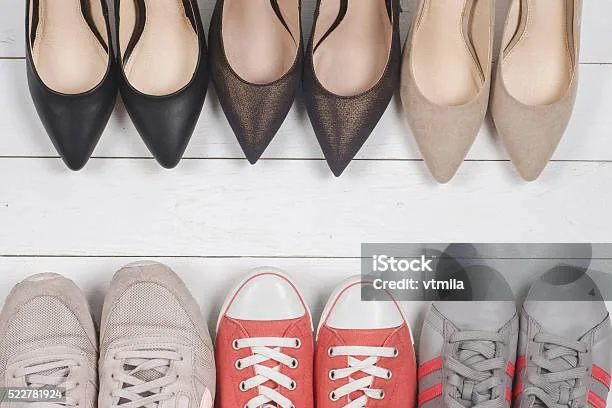
| Category | Best For | Key Feature to Look For |
|---|---|---|
| Athletic/Running | High-impact exercise | Breathability and impact cushioning |
| Formal/Dress | Business or special events | Quality leather and sleek profile |
| Casual/Sneakers | Everyday wear | Versatility and comfort |
| Boots | Winter or rugged terrain | Durability and weather resistance |
Key Factors to Consider Before You Buy
When shopping for footwear, it is easy to be distracted by aesthetics. To ensure long-term satisfaction, evaluate your potential purchase against these four critical pillars.
1. Material Quality
The material determines how the shoe will age and how your foot will breathe. Leather is the gold standard for durability and molding to the foot, while synthetic meshes are superior for athletic performance due to their lightweight and moisture-wicking properties. Avoid low-grade plastics that trap heat and lead to discomfort.
2. The "Thumb Rule" for Sizing
Never rely solely on the number on the box. Feet change size throughout the day, often swelling by the evening. Always shop for shoes in the afternoon. Ensure there is about a half-inch (the width of your thumb) between your longest toe and the front of the shoe. If your toes are cramped, the shoe is too small, regardless of what the label says.
3. Cushioning vs. Support
There is a distinct difference between a soft shoe and a supportive shoe. Cushioning absorbs shock, which is vital for high-impact activities like running. Support, however, relates to how the shoe maintains the alignment of your foot and ankle. A shoe that is "too soft" can sometimes lead to instability, so find a balance that suits your specific activity level.
4. Outsole Traction
The bottom of the shoe—the outsole—dictates your safety. If you are buying shoes for outdoor use or winter climates, look for deep treads and rubber compounds that provide grip. For indoor office environments, leather or smooth synthetic soles are acceptable, but they can be slippery on polished floors.
Current Trends in Footwear
While comfort is paramount, staying updated with trends ensures your wardrobe remains relevant. Currently, the industry is seeing a shift toward "hybrid" footwear—shoes that blend the aesthetic of dress shoes with the comfort of athletic sneakers. Sustainable materials, such as recycled plastics and organic cotton, are also becoming a major focus for conscious consumers.
Maintaining Your Investment
Once you have purchased the perfect pair, maintenance is the key to longevity. Proper care can double the lifespan of your shoes:
- Rotate your shoes: Do not wear the same pair two days in a row. This allows the inner lining to dry out and the materials to "rest," preventing premature degradation.
- Use shoe trees: For leather dress shoes, cedar shoe trees help maintain shape and absorb moisture.
- Clean regularly: Use a soft brush for suede and a damp cloth for leather. Never put technical running shoes in the washing machine, as the heat and agitation can ruin the adhesives.
- Waterproofing: Apply a protective spray to new shoes, especially if they are made of suede or fabric, to guard against stains and water damage.
Common Mistakes to Avoid
Many shoppers fall into the trap of buying "painful" shoes with the hope that they will "break in." While some leather shoes do soften over time, you should never buy a shoe that feels tight or pinches your toes from the start. A shoe should feel comfortable the moment you put it on. Additionally, avoid buying shoes based solely on online photos without checking reviews regarding sizing—different manufacturers use different "lasts" (the foot-shaped mold used to create the shoe), meaning a size 10 in one brand may fit like a 9.5 in another.
Conclusion: Walking Toward Better Choices
Your feet carry you through every experience in life. By prioritizing fit, material, and purpose over fleeting trends, you ensure that every step you take is supported and comfortable. Use this guide as a checklist for your next shopping trip: measure your feet, identify your arch type, assess the materials, and always test for the "thumb rule" of sizing. When you choose your shoes with intention, you are not just buying footwear—you are investing in your mobility and daily well-being.
Remember, the best shoe is the one that you forget you are wearing. Prioritize comfort, maintain your collection, and step into your day with confidence.