The Ultimate Guide to Choosing the Right Home Fitness Equipment for Your Goals
Embarking on a fitness journey is a transformative decision, but the path to success often begins with the environment you create for yourself. With the rising popularity of home gyms, many individuals are looking to invest in equipment that bridges the gap between professional-grade performance and domestic convenience. However, the fitness market is saturated with options, making it difficult to discern what is truly necessary for your specific goals.
Whether you are looking to build muscle, improve cardiovascular endurance, or increase flexibility, selecting the right equipment is a strategic investment in your long-term health. This guide provides a comprehensive framework for navigating the fitness equipment landscape, ensuring you make informed decisions that align with your fitness aspirations and living space.
Assessing Your Fitness Goals: Where to Begin
Before browsing through catalogs or online stores, you must define what "fitness" means to you. Different goals require different tools. Investing in the wrong equipment is not only a waste of money but can also lead to frustration and decreased motivation.
1. Cardiovascular Health
If your primary goal is to improve heart health, burn calories, or increase stamina, you need equipment that keeps your heart rate elevated for extended periods. Focus on machines that allow for rhythmic, repetitive motion.
2. Strength and Hypertrophy
Building muscle requires progressive overload—the practice of gradually increasing the weight or resistance used during exercise. For this, you need equipment that allows for a wide range of motion and adjustable resistance levels.
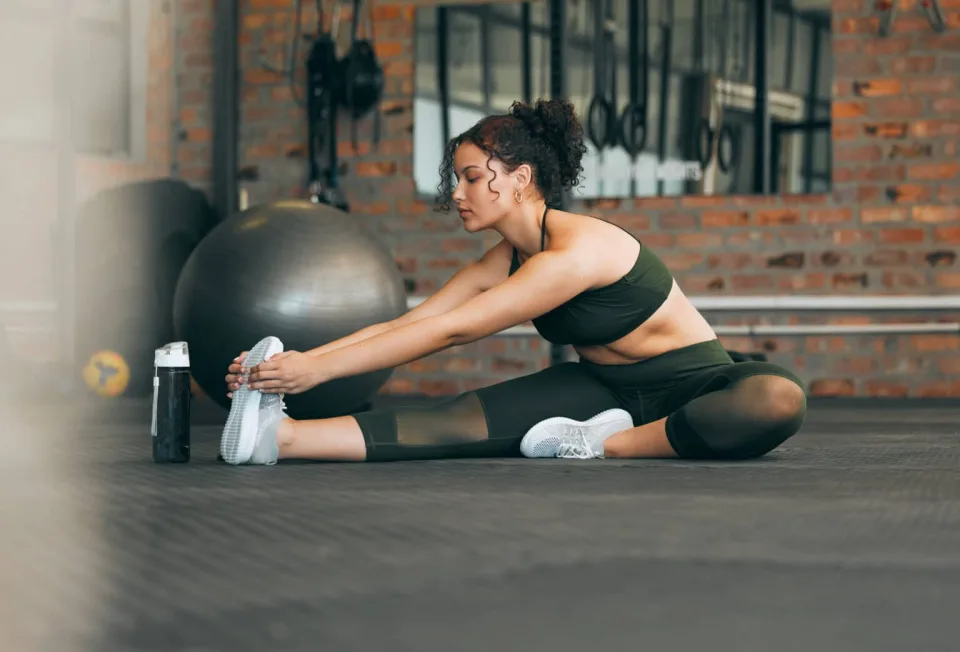
3. Flexibility and Mobility
If you are focused on recovery, injury prevention, or functional movement, your equipment needs will lean toward low-impact tools that assist with stretching and bodyweight control.
Key Categories of Fitness Equipment
To simplify your shopping process, it helps to categorize equipment based on the primary function they serve. Here is a breakdown of the most effective categories for a home setup:
| Category | Primary Benefit | Best For |
|---|---|---|
| Cardio Machines | Endurance & Heart Health | Treadmills, Rowers, Stationary Bikes |
| Free Weights | Strength & Muscle Growth | Dumbbells, Kettlebells, Barbells |
| Resistance Training | Muscle Tone & Rehabilitation | Resistance Bands, Suspension Trainers |
| Recovery Tools | Flexibility & Pain Management | Foam Rollers, Yoga Mats, Massage Guns |
How to Choose Cardio Equipment
Cardio machines are often the centerpiece of a home gym. When selecting one, consider your available floor space and the impact on your joints.
- Treadmills: Ideal for walking and running. Look for shock absorption features to protect your knees and ankles.
- Stationary Bikes: Excellent for low-impact cardio. Spin bikes are great for high-intensity intervals, while recumbent bikes are better for those needing lumbar support.
- Rowing Machines: These offer a full-body workout, engaging both the upper and lower body. They are highly efficient but require proper form to prevent back strain.
- Ellipticals: Provide a non-impact workout that mimics running, making them perfect for individuals with joint sensitivities.
The Essentials of Strength Training Equipment
You do not need a massive home gym to build significant strength. In fact, a minimalist approach is often more effective for beginners.
Dumbbells vs. Kettlebells
Dumbbells are the gold standard for isolation exercises, allowing you to target specific muscle groups. Kettlebells, on the other hand, are designed for dynamic, explosive movements that improve coordination and core strength. If you are limited on space, adjustable dumbbells are an excellent choice, as they replace an entire rack of fixed-weight weights with a single, compact unit.
Resistance Bands: The Underrated Tool
Resistance bands are often overlooked, but they are essential for constant tension training. They are portable, inexpensive, and provide a unique resistance profile that changes as you stretch the band, which can be safer for your joints than heavy iron weights.
Factors to Consider Before You Buy
Purchasing fitness equipment is a long-term commitment. Before making a purchase, evaluate these four critical factors:
1. Space Constraints
Measure your workout area precisely. Don't just account for the machine's footprint; ensure you have enough clearance for your body to move safely during exercises. If space is tight, look for foldable or wall-mounted options.
2. Budget and Value
Avoid the "cheapest is best" trap. Cheap equipment often lacks durability, provides poor ergonomics, and can even lead to injury. Instead, look for the best quality your budget allows, prioritizing structural integrity over fancy digital screens or extra features.
3. Ease of Maintenance
Check if the equipment requires regular lubrication, tightening of bolts, or specialized cleaning. Equipment that is difficult to maintain will eventually fall into disrepair and gather dust.
4. Versatility
Ask yourself: "Can I perform more than one exercise with this?" A power rack, for instance, allows for squats, pull-ups, and overhead presses, whereas a single-purpose leg extension machine offers very limited utility.
Emerging Trends in Home Fitness
The fitness industry is constantly evolving. Staying aware of these trends can help you make a more future-proof purchase.
- Smart Connectivity: Many modern machines now integrate with apps that provide live coaching, tracking, and community challenges. While engaging, ensure the machine is still functional without a paid subscription.
- Modular Equipment: The rise of "all-in-one" home gym systems that can be expanded over time is a game-changer for those who want to grow their gym as their fitness level improves.
- Eco-friendly Materials: From cork yoga mats to recycled steel weights, sustainability is becoming a priority for many manufacturers.
Common Mistakes to Avoid
Even with the best intentions, shoppers often make errors that hinder their progress. Avoid these common pitfalls:
- Buying based on hype: Just because a piece of equipment is trending on social media doesn't mean it’s effective for your goals.
- Ignoring the learning curve: If a piece of equipment is too complex to use, you will be less likely to use it consistently.
- Neglecting safety features: Always check for safety clips on treadmills, stable bases on racks, and high-quality locking mechanisms on adjustable weights.
Conclusion: Building Your Fitness Foundation
Creating a home fitness space is not about filling a room with expensive machines; it is about curating tools that empower you to show up for yourself every day. By focusing on your specific goals, prioritizing quality over quantity, and carefully considering your space and budget, you can build a setup that evolves with you.
Remember, the most important piece of fitness equipment is your own consistency. Choose gear that excites you, fits your lifestyle, and provides the functionality you need to push your limits. Start small, stay disciplined, and enjoy the journey toward a healthier, stronger version of yourself.