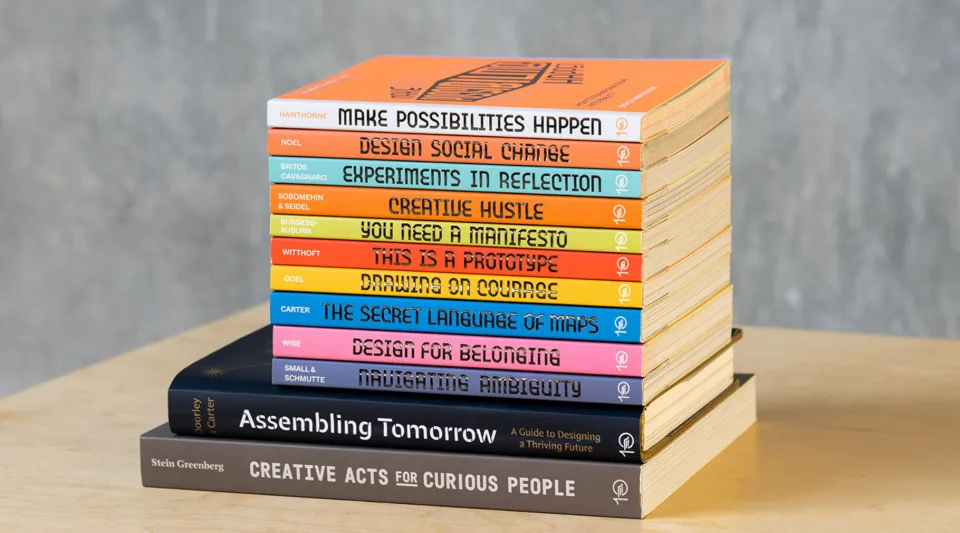
The Ultimate Reading Format Guide: Physical Books vs. E-Books vs. Audiobooks
For centuries, the act of reading remained virtually unchanged. A reader sat down with a bound volume of paper, turned the pages sequentially, and immersed themselves in the written word. However, the digital revolution has fundamentally transformed the literary landscape. Today, book lovers are spoiled for choice, with three primary formats dominating the market: traditional physical books, portable e-books, and immersive audiobooks.
Choosing how to consume literature is no longer just about the content; it is about the experience, convenience, cognitive retention, and lifestyle integration. Whether you are a lifelong bibliophile, a busy professional trying to squeeze more literature into your day, or a student looking for the most effective study tool, understanding the strengths and weaknesses of each format is essential. This comprehensive guide compares physical books, e-books, and audiobooks across multiple dimensions to help you build the perfect reading lifestyle.
Understanding the Formats: A Deep Dive
Before comparing these formats head-to-head, it is important to understand what makes each unique, including their sub-formats and technological foundations.
Physical Books: The Tactile Classic
Physical books represent the traditional medium of print on paper. Within this category, readers generally choose between two options:
- Hardcovers: Durable, aesthetically pleasing, and often featuring high-quality paper and cover art. They are the preferred choice for collectors, first editions, and coffee table books, though they are heavier and more expensive.
- Paperbacks: Lightweight, flexible, and highly affordable. Mass-market paperbacks are designed for portability and quick reading, making them perfect for travel and casual reading.
The appeal of the physical book is sensory. The smell of paper (caused by the organic breakdown of chemical compounds over time), the tactile feedback of turning a page, and the visual satisfaction of seeing a growing library on a bookshelf are experiences that digital formats cannot replicate.
E-Books: The Portable Digital Library
E-books (electronic books) are digital files displayed on screen-based devices. While they can be read on smartphones, tablets, and computers, the gold standard for e-reading is the dedicated e-reader utilizing Electronic Ink (E-ink) technology.
Unlike standard LCD or OLED screens, E-ink displays mimic the appearance of ordinary ink on paper. They reflect light rather than emitting it directly into the reader's eyes, significantly reducing eye strain and allowing for comfortable reading in direct sunlight. E-books support various file formats, such as EPUB and PDF, allowing readers to customize font sizes, typefaces, and margin widths to suit their visual preferences.
Audiobooks: The Hands-Free Narrative Experience
Audiobooks are voice recordings of a book's text. Once distributed on vinyl records, cassette tapes, and CDs, they are now almost exclusively consumed via digital streaming and download platforms on mobile devices.
The modern audiobook is often a highly produced piece of art. Publishers frequently employ professional voice actors, celebrity narrators, or even full casts complete with sound effects and musical scores. This format shifts the act of reading from a visual and cognitive decoding process to an auditory, storytelling experience reminiscent of ancient oral traditions.
Head-to-Head Comparison: Key Decision Factors
To determine which format best suits your needs, we must analyze how they perform across the critical categories of comprehension, convenience, cost, health, and environmental impact.
1. Reading Comprehension and Cognitive Retention
How we absorb information changes depending on the medium we use. Cognitive scientists have conducted numerous studies comparing print reading to digital reading, revealing distinct differences in retention.
Research suggests that physical books offer superior spatial mapping. When reading a physical book, your brain subconsciously tracks your progress based on the weight of the pages in your left and right hands, as well as the physical location of text on a page (e.g., top-left corner). This tactile feedback helps build a mental map of the text, leading to better comprehension and memory retention, particularly for complex, long-form narratives and academic texts.
E-books, while highly convenient, can sometimes lead to "shallow reading" or skimming. Because digital screens are associated with quick information consumption (like social media or news articles), readers may rush through e-books, reducing deep comprehension. However, the ability to instantly look up definitions of unfamiliar words via built-in dictionaries can enhance vocabulary acquisition.
Audiobooks engage different cognitive pathways. Auditory processing relies heavily on the listener's working memory and attention span. If your mind wanders while listening, you cannot easily "re-scan" the paragraph without manually rewinding. However, audiobooks excel at conveying tone, emotion, and dialect through professional narration, which can deepen the emotional connection to fiction and memoirs.
2. Portability, Convenience, and Space Saving
When it comes to lifestyle integration, digital formats hold a significant advantage over their paper ancestors.
Physical books are bulky and heavy. Carrying more than one or two books on a trip is impractical, and they require physical storage space in your home. For minimalist living or frequent travelers, a large physical book collection can become a logistical burden.
E-readers solve this problem entirely. A single device weighing less than a paperback can hold thousands of books. This allows readers to carry an entire library in a coat pocket or purse. Additionally, e-books can be purchased and downloaded instantly from anywhere in the world with an internet connection, eliminating the need to visit a bookstore or wait for shipping.
Audiobooks offer the ultimate convenience: multitasking. You cannot read a physical or e-book while driving, cooking, cleaning, or working out. Audiobooks turn unproductive, repetitive tasks into opportunities for literary consumption. For individuals with busy schedules, audiobooks are often the only way to maintain a consistent reading habit.
3. Financial Cost and Long-Term Value
The economics of reading vary widely depending on your format of choice and how many books you consume annually.
Physical books have a higher upfront cost per unit, especially hardcovers. However, they possess excellent long-term value. You truly own a physical book; you can resell it, lend it to a friend, donate it to a library, or pass it down through generations. Used bookstores also offer a budget-friendly way to purchase physical copies.
E-books are generally cheaper than their physical counterparts at launch, and digital retailers frequently run deep-discount sales. However, when you purchase an e-book, you are technically buying a non-transferable license to view the content, not the book itself. You cannot easily resell or lend most e-books to friends outside of specific, limited platform ecosystems.
Audiobooks are historically the most expensive format to produce, which is reflected in their high retail prices. To offset this, many readers utilize subscription models that offer monthly credits, which significantly lowers the cost per book. Public library apps also offer free digital lending for both e-books and audiobooks, making digital reading highly accessible for budget-conscious readers.
4. Health, Eye Strain, and Sleep Impact
Our physical well-being is directly influenced by how we consume media, particularly in the evening hours.
Physical books are highly gentle on the eyes, provided there is adequate ambient lighting. Reading a printed book before bed is a time-tested method for winding down, as it involves no artificial light that could disrupt sleep cycles.
E-readers with E-ink technology and adjustable warm front-lights are also highly eye-friendly. They do not emit the harsh blue light associated with smartphones and tablets, which suppresses melatonin production and disrupts sleep. However, reading e-books on standard tablets or phones for extended periods can lead to Computer Vision Syndrome (CVS), characterized by dry eyes, headaches, and blurred vision.
Audiobooks are the healthiest option for visual hygiene. They allow for a completely screen-free, eyes-free reading experience. For individuals who spend their entire workday looking at computer screens, listening to an audiobook in a dark room or with eyes closed is an excellent way to rest the eyes while still enjoying a story.
5. Environmental Impact and Sustainability
The green credentials of reading formats depend heavily on your reading volume.
The production of physical books requires harvesting trees, consuming water, and utilizing chemical inks, alongside the carbon emissions generated by shipping heavy paper products worldwide. However, paper is a renewable, biodegradable resource, and many publishers now use recycled paper and soy-based inks.
E-readers and digital devices require the mining of rare earth minerals and significant energy consumption during manufacturing. They also contribute to the growing global problem of electronic waste (e-waste) when discarded. However, environmental impact studies show that if you read more than 20 to 30 books per year, the carbon footprint of manufacturing a single e-reader is lower than the footprint of producing and shipping the equivalent number of physical books.
Comparison Matrix: Physical vs. E-Book vs. Audiobook
The following table provides a quick-reference summary of how the three formats compare across key operational and experiential metrics.
| Feature / Metric | Physical Books | E-Books (E-ink) | Audiobooks |
|---|---|---|---|
| Tactile Experience | Excellent (Paper texture, smell, physical page turns) | Minimal (Plastic/metal device feel) | None (Purely auditory) |
| Portability | Low (Heavy, bulky, takes up physical space) | Outstanding (Thousands of books on one slim device) | Outstanding (Stored on smartphone, no extra device needed) |
| Cognitive Retention | High (Excellent spatial mapping and deep focus) | Moderate (Prone to skimming, but dictionary-aided) | Variable (Requires high auditory focus; easy to distract) |
| Eye Strain | None (With proper external lighting) | Very Low (E-ink mimics paper; adjustable warm light) | None (Completely screen-free) |
| Multitasking Ability | None (Requires hands and eyes) | None (Requires hands and eyes) | High (Perfect for driving, chores, and exercise) |
| Ownership Rights | High (Can resell, lend, gift, or collect) | Low (Licensed content, tied to digital accounts) | Low (Licensed content, tied to platform accounts) |
| Initial Cost | Low to Moderate (No device purchase required) | High (Requires upfront investment in an e-reader) | Low (Uses existing smartphone, but subscriptions apply) |
Choosing the Right Format for Different Genres
Not all books are created equal, and some genres naturally perform better in specific formats. Matching the genre to the correct medium can dramatically enhance your reading experience.
Fiction and Immersive Storytelling
For deep, immersive fiction—such as fantasy world-building, historical sagas, or complex mystery novels—both physical books and e-books are exceptional. They allow you to pace yourself, flip back to check character lists or maps, and linger on beautiful prose.
However, character-driven fiction, memoirs, and thrillers can be incredibly powerful in audiobook format. Hearing a memoir read by its author adds an unmatched layer of intimacy and authenticity. Similarly, a thriller narrated with dramatic pacing and tension can feel as engaging as a cinematic audio drama.
Non-Fiction, Self-Help, and Textbooks
For educational material, business books, self-help guides, and academic textbooks, physical books remain the undisputed champion. These genres often require active reading: highlighting key passages, writing notes in the margins, and flipping back and forth between chapters, diagrams, and indexes. The physical layout of a textbook helps with visual learning and memory recall.
E-books are a close second here, as they allow for digital highlighting, note-taking, and keyword searching. However, navigating complex charts, graphs, and reference sections on a small e-reader screen can be frustrating.
Audiobooks are generally less suited for dense, highly technical non-fiction, as it is difficult to take notes or reference visual data while listening on the go. However, conversational self-help and motivational books perform exceptionally well in audio format, serving as inspiring daily listens during commutes.
Poetry, Art Books, and Graphic Novels
Art books, photography collections, cookbooks, and graphic novels require high-resolution color, specific layouts, and large formats. For these genres, physical books are the only format that does the artwork justice. A coffee table book or a beautifully illustrated graphic novel loses its magic when compressed onto a grayscale E-ink screen or a small tablet.
Poetry also benefits greatly from the physical page, as the visual arrangement of the text and white space is often a deliberate part of the artistic expression.
How to Build a Hybrid Reading Habit
Rather than choosing just one format and sticking to it exclusively, many modern readers are adopting a hybrid reading habit. By integrating all three formats into your daily routine, you can maximize your reading time and enjoy the unique benefits of each.
Here is an example of how a balanced hybrid reading routine might look:
- Morning Commute & Chores (Audiobooks): Listen to an engaging memoir, a light fiction novel, or a self-improvement book while driving, riding the train, washing dishes, or working out. This turns otherwise unproductive hours into active reading time.
- Workday & Study (Physical Books): Keep a physical copy of a professional development book, textbook, or dense non-fiction work on your desk. Use this during dedicated study or focus blocks, taking physical notes to maximize retention.
- Evening & Travel (E-Books): Keep an e-reader on your nightstand or in your travel bag. Use its built-in warm light to read fiction in bed without disturbing your partner, or carry your entire vacation reading list in a single, lightweight device.
By shifting your perspective from "Which format is best?" to "Which format is best for this specific moment?", you can easily double or triple the number of books you consume each year while keeping the experience fresh and enjoyable.
Conclusion: The Verdict on the Best Way to Consume Books
Ultimately, there is no single "best" format for reading. The ideal choice depends entirely on your personal lifestyle, learning style, budget, and the specific genre of book you are reading.
Physical books remain irreplaceable for collectors, visual learners, and those who cherish the tactile, screen-free sensory experience of reading. E-books offer unmatched portability, customization, and convenience for avid readers and travelers who want an entire library at their fingertips. Audiobooks have democratized reading for busy individuals, commuters, and those with visual or learning differences, turning everyday tasks into opportunities for literary adventure.
By understanding the unique strengths of each medium, you can tailor your book buying and reading habits to fit your life perfectly, ensuring that the joy of reading remains a constant companion in our fast-paced, modern world.