Electric Vehicles vs. Internal Combustion Engine Cars: A Comprehensive Comparison for Modern Drivers
The automotive landscape is undergoing its most significant transformation since the invention of the assembly line. As the world pivots toward sustainability and technological integration, prospective car buyers are increasingly faced with a fundamental dilemma: should they stick with the tried-and-true Internal Combustion Engine (ICE) vehicle or make the leap to an Electric Vehicle (EV)?
Making the right choice depends on more than just environmental concerns. It involves a deep dive into ownership costs, lifestyle compatibility, performance expectations, and long-term reliability. This guide provides an objective comparison to help you navigate the complexities of modern car ownership.
Understanding the Core Technologies
To make an informed decision, one must first understand the mechanical differences between these two platforms. An ICE vehicle relies on a complex network of thousands of moving parts—pistons, valves, transmission gears, and exhaust systems—all working in harmony to convert fuel combustion into kinetic energy. Conversely, an EV is remarkably simple, typically consisting of a battery pack, an inverter, and one or more electric motors. This reduction in mechanical complexity is the foundation for many of the pros and cons discussed in this article.
Comparison Table: EV vs. ICE Vehicles
| Feature | Electric Vehicles (EV) | Internal Combustion Engine (ICE) |
|---|---|---|
| Fueling/Charging | Home charging or public fast-charging stations | Gas stations (ubiquitous) |
| Maintenance Needs | Low (fewer moving parts, no oil changes) | Higher (fluids, filters, transmission, belts) |
| Upfront Cost | Generally higher | Generally lower |
| Refueling Time | 30 mins to several hours | 3 to 5 minutes |
| Driving Experience | Instant torque, quiet, smooth | Engaging engine note, linear acceleration |
1. Total Cost of Ownership (TCO)
While the sticker price of an EV is often higher than a comparable ICE vehicle, the Total Cost of Ownership (TCO) tells a different story. When calculating TCO, you must look beyond the initial purchase price.
The Maintenance Advantage
EVs require significantly less maintenance. There are no spark plugs to replace, no oil changes to perform, and no complex exhaust systems to repair. Regenerative braking also reduces wear on brake pads and rotors, as the electric motor does much of the heavy lifting to slow the car down. ICE vehicles, by contrast, require consistent preventative maintenance to ensure longevity, which adds up significantly over a 5-to-10-year ownership cycle.
Fuel vs. Electricity
The cost per mile is almost universally lower for EVs, especially if you charge at home during off-peak hours. Gasoline prices are notoriously volatile and subject to global geopolitical shifts, whereas electricity rates tend to be more stable. However, those who rely solely on public fast-charging networks may find that their "fuel" costs approach those of high-efficiency gasoline vehicles.
2. Performance and Driving Dynamics
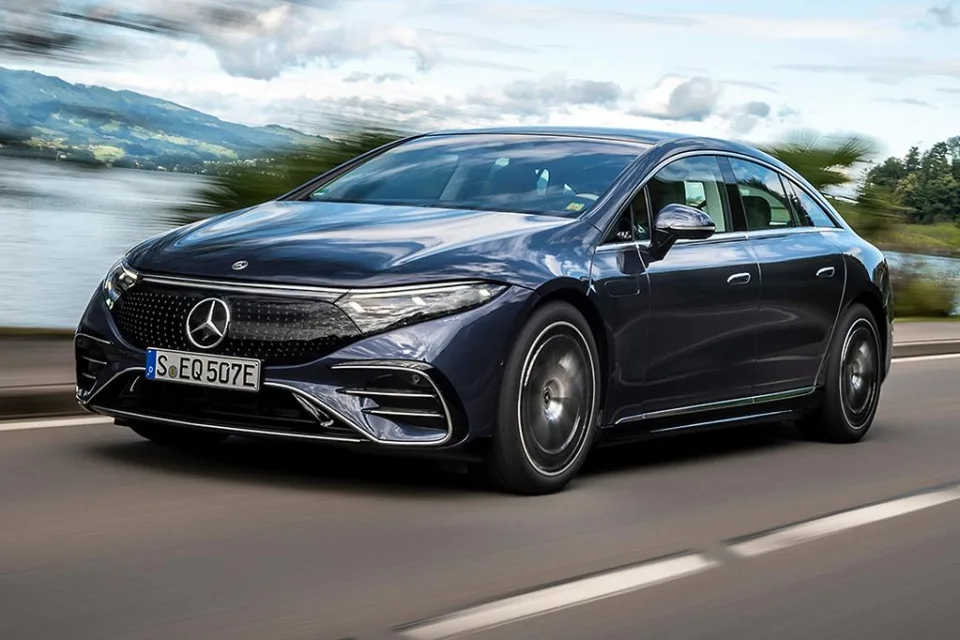
Driving an EV is a distinct experience. Because electric motors provide 100% of their torque instantly, EVs offer rapid acceleration that can feel more responsive than most traditional sports cars. The battery packs are typically mounted in the floor, creating a low center of gravity that improves handling and stability in corners.
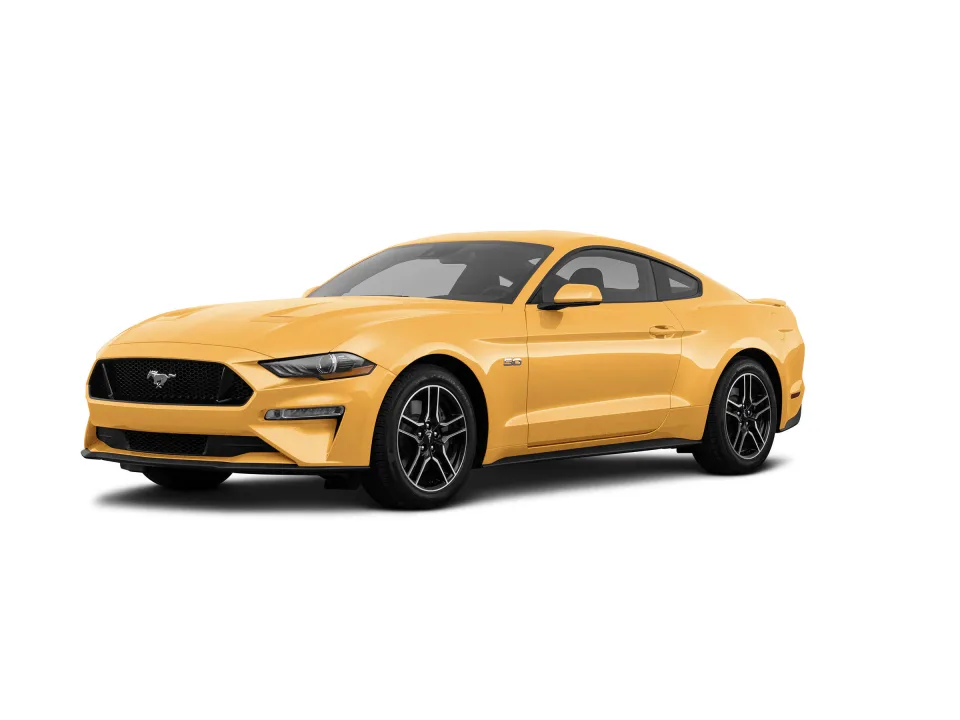
On the other hand, enthusiasts often gravitate toward ICE vehicles for the visceral experience. The sound of an engine, the feeling of shifting gears, and the mechanical feedback provide a connection between driver and machine that many find missing in the silent, digital environment of an EV. If your primary goal is a "driver's car" experience, ICE vehicles—particularly those with manual transmissions—still hold a unique appeal.
3. Convenience and Infrastructure
This is arguably the most critical factor for the average consumer. The convenience of an ICE vehicle is hard to beat: you pull into a gas station, spend five minutes filling up, and you are ready for another 400 miles of driving. Infrastructure for gas is everywhere, making it the superior choice for long-distance road trips or those living in remote areas.
EVs require a shift in mindset. "Refueling" is done while the car is parked at home or work. For the vast majority of daily commuters, this is actually more convenient than visiting a gas station. However, for apartment dwellers without dedicated parking or those who frequently travel to areas with sparse charging infrastructure, an EV can introduce "range anxiety." Planning trips around charging stops is a skill that EV owners must learn, though the rapid expansion of charging networks is mitigating this issue every year.
4. Environmental Impact and Sustainability
When comparing the two, it is essential to consider the full lifecycle of the vehicle. ICE vehicles emit greenhouse gases throughout their entire operational life. EVs have a higher carbon footprint during the manufacturing process, primarily due to the intensive mining required for lithium-ion battery components. However, over the life of the vehicle, the EV almost always results in lower total emissions, especially as the power grid shifts toward renewable energy sources like wind and solar.
Factors to Consider Before You Buy
Before committing to a vehicle type, ask yourself the following questions:
- What is your daily commute distance? If it is under 100 miles, an EV is likely more than sufficient.
- Can you charge at home? Access to a home charger is the single biggest factor in EV satisfaction.
- Do you frequently take long-distance road trips? If so, research the charging network along your common routes.
- What is your budget horizon? If you want the lowest monthly payment, ICE might be better. If you want the lowest cost over five years, consider the EV.
The Future of the Automotive Market
The automotive industry is not necessarily moving toward a world where one type of vehicle wins entirely. Instead, we are seeing a diversification of the market. Plug-in Hybrid Electric Vehicles (PHEVs) offer a middle ground, providing short-range electric driving for daily commutes and a gasoline engine for long-distance peace of mind.
As battery technology improves—with the promise of solid-state batteries offering longer range and faster charging—the gap between EV and ICE convenience will continue to shrink. Simultaneously, ICE technology is becoming more efficient, with advancements in turbocharging and hybrid-assist systems keeping traditional engines relevant for those who aren't ready to switch to full electric.
Conclusion: Making Your Choice
There is no "better" vehicle; there is only the vehicle that fits your specific lifestyle. If you value low maintenance, lower operating costs, and want to reduce your carbon footprint, the transition to an Electric Vehicle is a compelling move, provided you have the infrastructure to support it. If you prioritize convenience for long-distance travel, enjoy the tactile experience of a traditional engine, or live in an area where charging is difficult to access, a modern, fuel-efficient ICE vehicle remains a perfectly logical and highly capable choice.
Ultimately, the best way to decide is to visit a dealership and test drive both options back-to-back. The feel of the road, the interface of the infotainment system, and the ergonomics of the cabin will often tell you more about your preference than any spreadsheet ever could. Take your time, evaluate your driving habits, and choose the car that makes your daily journey more enjoyable.