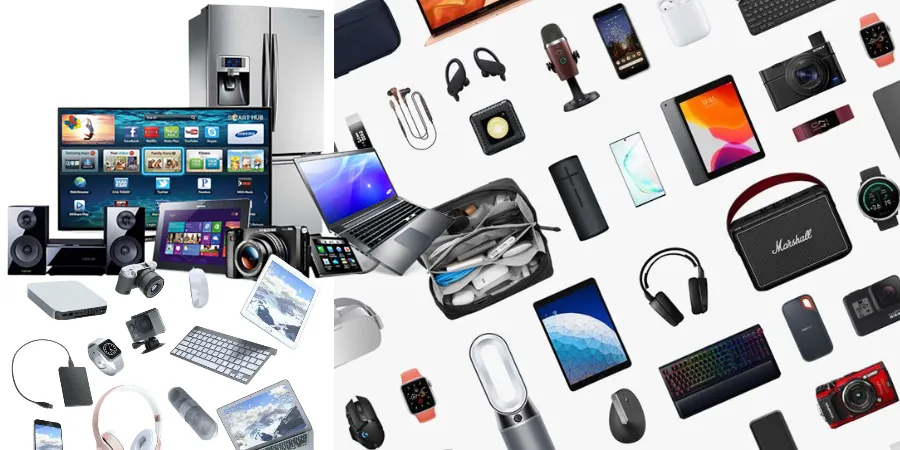
The Ultimate Guide to Buying Consumer Electronics: How to Make Smart Choices in 2024
The world of consumer electronics is evolving at a breakneck pace. From high-definition displays and smart home integration to portable power solutions and wearable tech, the sheer volume of choices can be overwhelming. Whether you are upgrading your home office, building a gaming rig, or simply looking for a reliable smartphone, making an informed decision is crucial to ensure longevity, performance, and value for your money.
This comprehensive guide is designed to help you navigate the complex landscape of consumer electronics, providing you with the technical knowledge and practical tips needed to make the best purchasing decisions.
1. Define Your Needs Before You Shop
The most common mistake consumers make is buying based on features they don’t actually need. Before diving into specifications, sit down and identify your primary use case. Are you a creative professional who needs color accuracy, or a casual user who prioritizes battery life? Are you looking for a device that will last five years, or something that fills a temporary gap?
- The Power User: Focus on high-end processors (CPUs), maximum RAM, and future-proof connectivity like Thunderbolt 4 or Wi-Fi 7.
- The Casual User: Prioritize ergonomics, ease of use, and overall device reliability over raw performance metrics.
- The Budget-Conscious: Look for "sweet spot" products—devices that offer 80% of the performance of flagship models at 50% of the cost.
2. Understanding Key Technical Specifications
Marketing materials are filled with jargon that can be misleading. Understanding what these numbers actually mean will save you from overpaying for unnecessary specs.
Processing Power and Memory
In computers and smartphones, the CPU is the brain. However, more cores aren't always better if your software doesn't support them. Similarly, RAM is essential for multitasking. For modern computing, 8GB is the bare minimum, 16GB is the "sweet spot" for most users, and 32GB+ is reserved for video editing and heavy 3D rendering.
Display Technology
When shopping for monitors or TVs, you will encounter terms like OLED, QLED, and IPS. OLED provides the best contrast ratios because each pixel emits its own light, resulting in "perfect blacks." IPS panels offer the best color accuracy and viewing angles, making them ideal for creative work. TN panels, while fast, generally suffer from poor color reproduction.
| Display Type | Best For | Key Advantage |
|---|---|---|
| OLED | Movies & Gaming | Infinite contrast, deep blacks |
| IPS | Graphic Design | Superior color accuracy |
| VA | General Media | Good balance of contrast and price |
| TN | Competitive Gaming | Fastest response times |
3. The Importance of Connectivity and Compatibility
A device is only as good as its ability to connect to your existing ecosystem. Always check the port selection. In the current market, USB-C is the gold standard, but not all USB-C ports are created equal. Ensure the device supports the protocols you need, such as Power Delivery (PD) for charging or DisplayPort Alt Mode for external monitors.
Furthermore, consider wireless compatibility. If you are investing in smart home electronics, check for protocols like Matter or Zigbee, which ensure that devices from different manufacturers can communicate with each other seamlessly.
4. Sustainability and Longevity: The Right to Repair
Electronic waste is a growing global concern. When choosing electronics, look for brands that offer modular designs or easy repairability. A device that allows you to replace a battery or upgrade the RAM is inherently more valuable than a "sealed" unit that must be discarded when a single component fails.
Look for the following indicators of longevity:
- Software Support: Does the manufacturer promise at least 3-5 years of security updates?
- Build Quality: Are the materials durable (e.g., aluminum chassis vs. cheap plastic)?
- Repairability Scores: Check independent repair databases to see how difficult it is to open and fix the device.
5. Timing Your Purchase
Electronics pricing follows a predictable cycle. If you aren't in a desperate rush, you can save significant amounts of money by timing your purchase correctly.
- The Product Cycle: Most electronics manufacturers refresh their lineups annually. Buying a device two or three months after a new model is released often results in a significant discount on the previous year’s model, which is usually still highly capable.
- Seasonal Sales: Major holidays, "Back to School" periods, and events like Black Friday are excellent times to buy. However, be wary of "inflated" discounts where prices are raised weeks before the sale.
- Refurbished Units: Buying factory-certified refurbished electronics can save you 20-30%. These units often undergo more rigorous testing than brand-new products coming off the assembly line.
6. Protecting Your Investment
Once you have purchased your electronics, proper maintenance is key to extending their lifespan. Heat is the primary enemy of all electronics. Ensure that your laptops and desktop towers have adequate airflow. Use surge protectors to guard against voltage spikes, which are a leading cause of hardware failure in home electronics.
For mobile devices, invest in quality screen protectors and cases. While they may seem like an unnecessary expense, the cost of a display replacement often exceeds the price of the protective gear by a wide margin.
7. Future-Proofing: Trends to Watch
As you browse the market, keep an eye on emerging trends that will define the next few years. Artificial Intelligence (AI) integration is currently the biggest shift, with many devices now featuring dedicated Neural Processing Units (NPUs) to handle AI tasks locally. If you plan to keep your device for more than three years, opting for hardware that supports these new AI workloads is a smart move.
Additionally, keep an eye on energy efficiency. With rising electricity costs, choosing devices with Energy Star ratings or those that utilize more efficient chip architectures (like ARM-based processors) will pay off in the long run through lower utility bills.
Conclusion: The Smart Consumer’s Mindset
Buying electronics shouldn't be a stressful experience. By focusing on your specific needs, understanding the underlying technology, and prioritizing repairability and long-term support, you can build a tech ecosystem that serves you well for years to come. Remember, the best gadget isn't the one with the most features—it’s the one that integrates seamlessly into your life and provides the most value over time.
Use this guide as a checklist whenever you find yourself tempted by the latest shiny object in the electronics aisle. Stay informed, stay critical, and happy shopping.