The Ultimate Guide to Choosing the Best Electronics for Your Smart Home and Lifestyle
In an era defined by rapid technological advancement, navigating the vast world of electronics can feel overwhelming. From smart home automation and high-performance computing to personal audio and wearable tech, the options are endless. Whether you are upgrading your home office, enhancing your entertainment setup, or looking to streamline your daily routine, choosing the right gear is essential for long-term satisfaction and productivity.
This comprehensive guide explores the best categories of electronics you should invest in today, the key features to look for, and expert tips to ensure you get the best value for your money. By understanding the core technologies, you can make informed decisions that future-proof your lifestyle.
Key Categories of Essential Modern Electronics
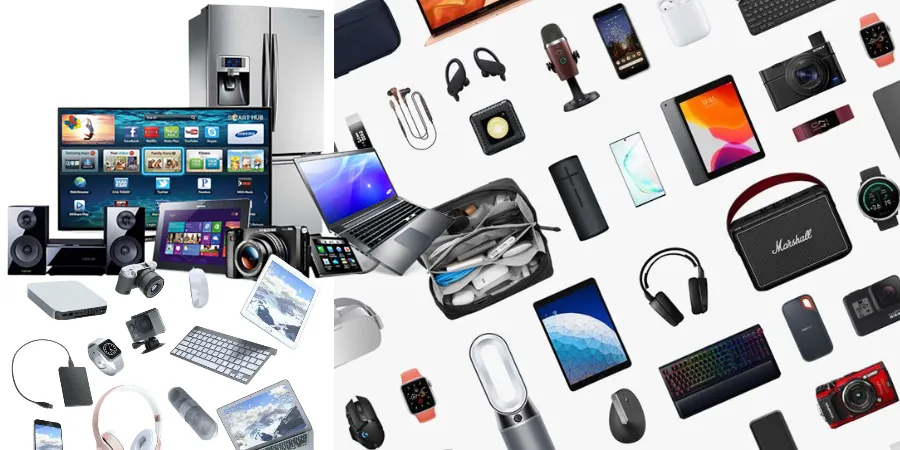
To build a robust tech ecosystem, it is helpful to categorize your needs. Modern electronics generally fall into four major buckets: Computing, Home Entertainment, Smart Home Integration, and Wearable Technology. Each of these sectors has seen significant innovation in the last 24 months, particularly regarding energy efficiency and AI integration.
1. High-Performance Computing and Productivity Gear
Whether you are a remote worker, a student, or a creative professional, your computing setup is the backbone of your digital life. The current market trends favor portability without compromising power. When looking for the best laptops or tablets, prioritize processors with integrated neural engines, as these are increasingly used to handle AI-driven tasks like noise cancellation in video calls and background blur.
2. Immersive Home Entertainment Systems
The standard for home entertainment has shifted from simple high-definition to 4K OLED displays and spatial audio systems. Investing in the best display technology means looking for high refresh rates (120Hz+) and HDR10+ support, which significantly enhances color accuracy and contrast. Pair these with soundbars that support Dolby Atmos to create a cinematic experience within your living room.
Comparison Table: Selecting the Right Tech for Your Needs
| Category | Key Feature to Prioritize | Ideal For | Lifespan Expectation |
|---|---|---|---|
| Smart Displays | Privacy Shutter & Resolution | Home Hub/Kitchen Use | 3-5 Years |
| Wireless Earbuds | Active Noise Cancellation (ANC) | Commuting/Workouts | 2-3 Years |
| Home Networking | Wi-Fi 6E/7 Compatibility | High-Traffic Households | 4-6 Years |
| External Storage | NVMe SSD Speeds | Data Backup/Content Creation | 5+ Years |
Tips for Making Smart Electronics Purchases
Buying electronics is an investment. To avoid buyer’s remorse, follow these expert-approved strategies that apply to almost any gadget in the electronics category.
- Check for Future-Proofing: Always look for the latest standards. For example, if you are buying a smartphone or a laptop, ensure it has USB-C ports with Thunderbolt 4 or USB4 support. This ensures compatibility with future peripherals.
- Prioritize Software Support: The hardware is only as good as the software. Check how many years of security updates the manufacturer promises. Electronics that receive regular firmware updates last significantly longer and remain secure against cyber threats.
- Consider Ecosystem Synergy: While you don't need to stick to one brand, choosing devices that play well together via open protocols like Matter (for smart home devices) or universal Bluetooth standards makes your life much easier.
- Look Beyond the Spec Sheet: High numbers (like megapixels or clock speed) don't always translate to better real-world performance. Always read independent reviews that test the device in real-life scenarios, such as battery drain under heavy load or actual thermal management.
The Rise of Smart Home Automation
Smart home electronics have moved beyond novelty and into the realm of true utility. The best smart home devices today are those that operate silently in the background to improve your quality of life. The focus has shifted from "gadgets that connect to Wi-Fi" to "systems that anticipate your needs."
The Importance of Energy Monitoring
One of the most significant trends in electronics is energy efficiency. Smart plugs and energy-monitoring hubs are becoming essential. By tracking how much power your appliances draw, you can identify "vampire" devices that drain electricity even when not in use. This not only lowers your utility bills but also contributes to a more sustainable household.
Security and Privacy
As our homes become more connected, security is paramount. When purchasing smart cameras or doorbells, prioritize devices that offer end-to-end encryption. Local storage options (where footage is saved to an SD card or a local hard drive) are often preferred over cloud-only subscriptions, as they give you complete control over your data.
Navigating Seasonal Sales and Price Trends
Timing your purchase is just as important as choosing the right model. Electronics follow a predictable price cycle. New flagship products are typically released in the spring or autumn, which is when you will see the deepest discounts on the previous year's models.
If you aren't a "power user" who needs the absolute latest specs, buying the previous generation’s top-tier model is often the best financial decision. These devices are usually heavily discounted but still offer performance that exceeds the needs of 90% of consumers.
Maintaining Your Electronics for Longevity
Even the best electronics will degrade over time if not properly maintained. Here are a few ways to extend the life of your devices:
- Battery Management: For devices with lithium-ion batteries, try to keep the charge between 20% and 80%. Avoiding extreme heat is the single most effective way to prevent battery swelling and capacity loss.
- Cleaning Protocols: Dust is the enemy of electronics. Use compressed air to clear vents in laptops and gaming consoles to prevent overheating, which is the primary cause of hardware failure.
- Cable Management: Use high-quality, certified cables. Cheap, uncertified charging cables are a leading cause of port damage and electrical instability in smartphones and tablets.
The Future of Electronics: What to Expect
As we look toward the future, the electronics landscape is moving toward more seamless integration. We are entering the age of "Ambient Computing," where the technology fades into the background. Wearables will become more health-focused, smart home devices will become more intuitive, and connectivity speeds will continue to rise with the mass adoption of Wi-Fi 7.
When you are shopping for the best electronics today, think about how these devices will fit into your life three to five years from now. By choosing modular, upgradeable, and well-supported hardware, you are not just buying a product; you are investing in a more efficient and connected future.
Ultimately, the "best" electronics are those that solve a problem for you without creating new ones. Whether it is a faster processor that saves you an hour of work every day, or a smart lighting system that helps you wake up naturally, the right technology should serve your lifestyle, not dictate it.